
How Key Church Councils Still Influence Catholic Thought Today

Throughout its history, the Catholic Church has relied on councils as moments of collective discernment and decision making. These gatherings brought together bishops and theologians to address questions of faith, governance, and pastoral practice. Far from being distant historical events, Church councils continue to shape Catholic thought and guide how the Church understands its mission in the modern world.
In contemporary Catholic life, the influence of major councils remains visible in teaching, worship, and engagement with society. Councils provided frameworks that helped the Church respond to change while remaining rooted in tradition. Their legacy continues to inform how Catholics interpret doctrine, exercise authority, and live their faith amid new cultural realities.
Councils as Foundations of Catholic Teaching
Church councils have played a decisive role in clarifying and articulating core elements of Catholic belief. Through prayer, debate, and discernment, councils addressed theological questions that shaped doctrine for generations. Their decisions provided clarity and unity at times of internal disagreement or external challenge.
The teachings that emerged from councils continue to serve as reference points for Catholic theology. They help ensure consistency in belief while allowing for development over time. This foundation allows the Church to engage new questions without abandoning established truths.
Shaping Liturgy and Worship Life
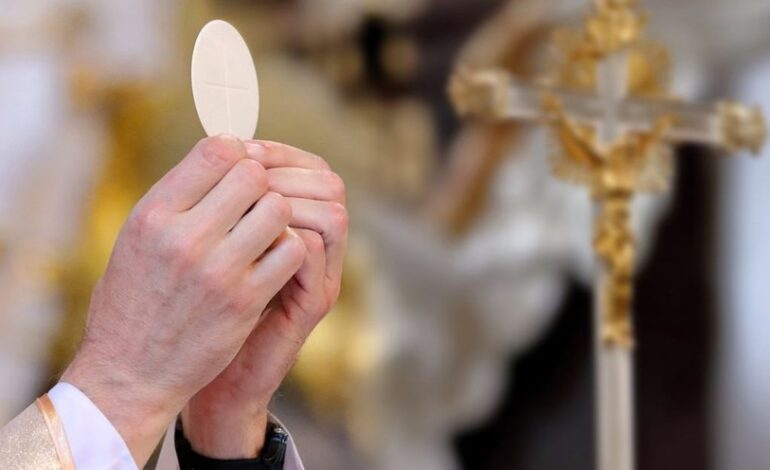
The influence of councils extends into the Church’s liturgical life. Decisions made during councils affected how worship is celebrated and understood. Changes in liturgical practice were intended to deepen participation and strengthen the connection between faith and daily life.
These reforms continue to shape how Catholics experience prayer and sacramental life today. The emphasis on active participation and understanding reflects a desire to make worship both reverent and accessible. Council influenced liturgy remains central to Catholic identity and spiritual formation.
Councils and the Relationship Between Church and World
Key Church councils also addressed how the Church relates to the wider world. They encouraged engagement with social, cultural, and intellectual developments while maintaining fidelity to faith. This approach helped the Church articulate its role in societies undergoing rapid change.
Council teachings emphasized dialogue, responsibility, and moral witness. These principles continue to guide how the Church participates in public life. By framing engagement as both faithful and open, councils influenced a posture that remains relevant in contemporary society.
Authority, Collegiality, and Shared Responsibility
Councils contributed significantly to the Church’s understanding of authority and leadership. They clarified the roles of bishops, the pope, and local Churches within a unified structure. This balance of authority and collaboration remains an important aspect of Church governance.
The emphasis on collegiality highlighted the shared responsibility of Church leaders. This perspective continues to inform how decisions are made and communicated. Councils reinforced the idea that leadership is exercised in service rather than domination.
Councils as Models of Discernment
Beyond specific teachings, councils offer a model of discernment that continues to inspire the Church. They demonstrate the value of collective reflection, prayer, and dialogue when addressing complex issues. This method remains relevant as the Church confronts new pastoral and ethical challenges.
The council process reflects trust in the guidance of the Holy Spirit working through the community. This approach encourages patience and humility in decision making. It reminds the Church that faithful responses often emerge through listening and collaboration.
Ongoing Influence on Catholic Education and Formation
The impact of councils is also evident in Catholic education and formation. Seminaries, universities, and catechetical programs draw on council teachings to shape curricula and pastoral training. These teachings help form leaders who can engage modern questions with theological depth.
By grounding education in council insights, the Church ensures continuity between tradition and contemporary thought. This influence helps Catholics understand their faith as living and responsive rather than static. Councils continue to inform how faith is taught and transmitted.
Conclusion
Key Church councils still influence Catholic thought by shaping doctrine, worship, governance, and engagement with the world. Their enduring legacy provides guidance and clarity as the Church navigates the challenges of modern life.