

What Catholic Public Opinion Reveals About Trust in Church Leadership


Trust in Church leadership has become an important topic of reflection within Catholic communities around the world. As social expectations shift and institutions face greater scrutiny, Catholics increasingly express their views on how leadership is exercised and communicated. Public opinion does not replace doctrine or authority, but it offers insight into how the faithful experience the Church in their daily lives.
In recent years, Catholic public opinion has reflected both confidence and concern. Many believers continue to value the Church’s spiritual guidance, while also expressing a desire for transparency, accountability, and clarity. Understanding these perspectives helps illuminate how trust is built, challenged, and sustained within a global Church facing complex realities.
Trust as a Relationship Between Leadership and the Faithful
Trust in Church leadership is rooted in the relationship between pastors and the people they serve. Catholics often evaluate leadership not only by official teaching but by consistency, integrity, and pastoral sensitivity. When leaders are perceived as listening and responding thoughtfully, trust tends to deepen.
Public opinion suggests that trust grows when leadership is seen as oriented toward service rather than authority alone. This reflects a long standing Catholic understanding that leadership exists to guide and care for the faithful. When this principle is visibly lived, confidence in leadership is strengthened.
The Role of Transparency and Communication
One of the clearest themes in Catholic public opinion is the importance of transparent communication. Catholics increasingly expect clarity about decisions, priorities, and processes within the Church. Clear communication helps reduce misunderstanding and builds confidence in leadership intentions.
When information is shared openly and responsibly, it reinforces a sense of shared responsibility. Transparency does not mean publicizing every internal matter, but it does involve explaining decisions in ways that respect the intelligence and faith of the community. Effective communication has become a key factor in sustaining trust.
Accountability and Moral Credibility
Public opinion also highlights accountability as central to trust. Catholics expect leaders to act consistently with the moral teachings they proclaim. When leadership demonstrates responsibility and addresses challenges directly, credibility is reinforced.
Accountability is understood not only in administrative terms but also in moral witness. Catholics often respond positively when leaders acknowledge mistakes and commit to improvement. This willingness to take responsibility contributes to a culture of trust rooted in honesty and humility.
Differences Across Cultures and Regions
Catholic public opinion is not uniform across the global Church. Cultural context, local experience, and historical factors shape how trust is perceived. In some regions, trust is closely linked to personal relationships with clergy. In others, institutional transparency and governance play a larger role.
These differences remind the Church that leadership must be attentive to local realities. A global Church requires sensitivity to diverse expectations while maintaining unity in faith. Understanding regional perspectives helps leadership respond more effectively to the faithful.
The Influence of Pastoral Presence
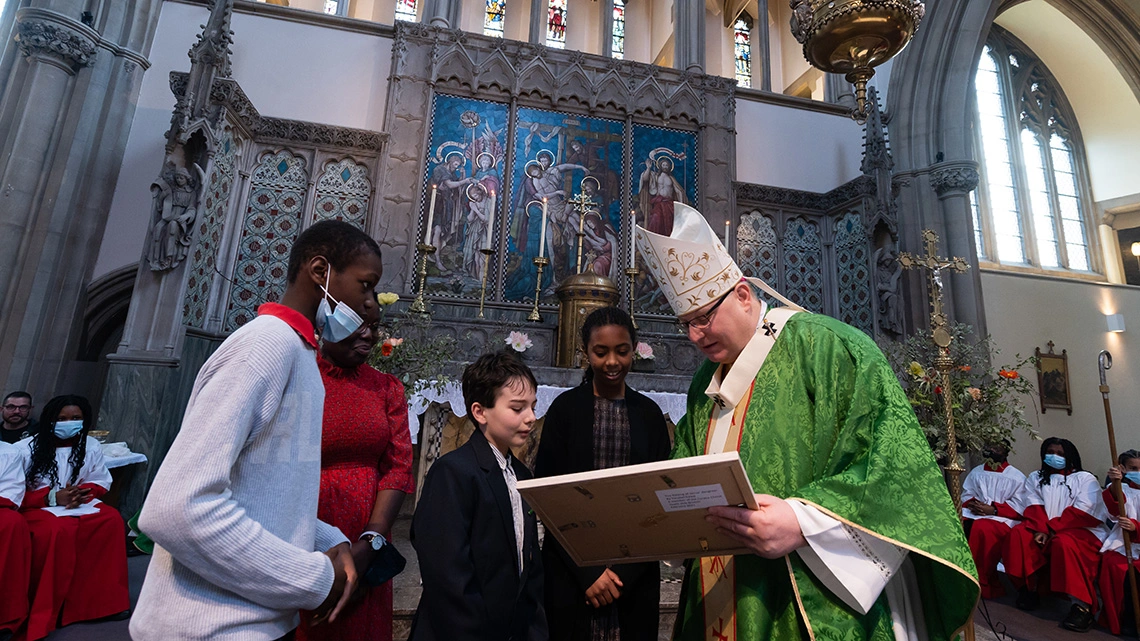
Pastoral presence remains a powerful factor in shaping trust. Catholics often express greater confidence in leaders who are visible, accessible, and engaged with their communities. Personal encounter reinforces the sense that leadership is grounded in care rather than distance.
Parishes and dioceses where leaders prioritize listening and accompaniment often experience stronger trust. This reflects the importance of relational leadership in a faith community. Public opinion consistently values leaders who embody pastoral closeness.
Navigating Criticism and Expectation
Public opinion also reveals that Catholics are willing to engage critically with leadership while remaining committed to the Church. Questioning and concern do not necessarily signal rejection. They often reflect a desire for the Church to live more fully its values.
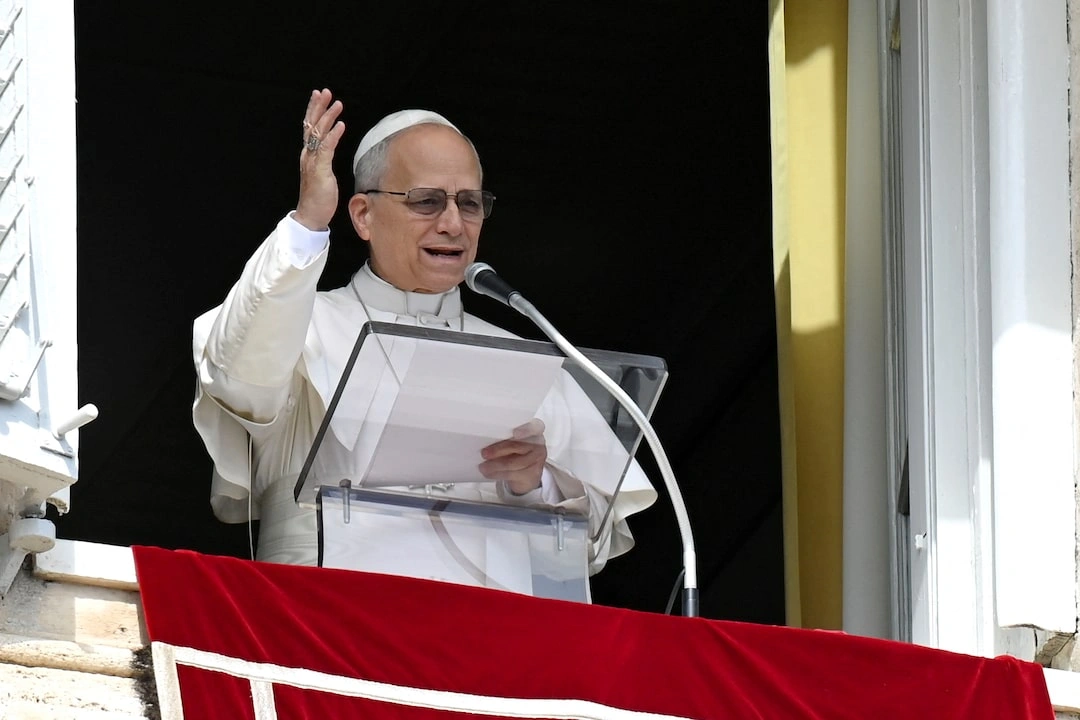
Under Pope Leo XIV, Church leadership has emphasized discernment, responsibility, and unity. This approach recognizes that trust is not static but must be nurtured over time. Engaging public opinion thoughtfully allows leadership to address concerns without compromising doctrine.
Trust and the Church’s Future
Trust in leadership has implications for the Church’s future mission. Communities with higher levels of trust tend to show stronger participation and engagement. Trust supports unity and shared purpose within the Church.
Public opinion serves as a valuable indicator of how leadership is received. While it does not determine truth, it highlights areas where pastoral attention is needed. Listening carefully to these signals helps strengthen the relationship between leaders and the faithful.
Conclusion
Catholic public opinion reveals that trust in Church leadership is shaped by transparency, accountability, pastoral presence, and communication. By engaging these concerns with integrity and discernment, the Church can strengthen trust and sustain its mission in a changing world.