Why Vatican Diplomacy Remains Quiet Yet Influential Worldwide
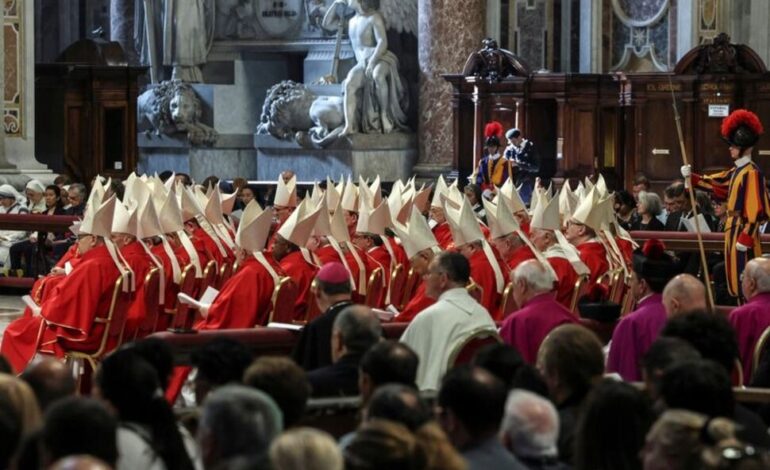

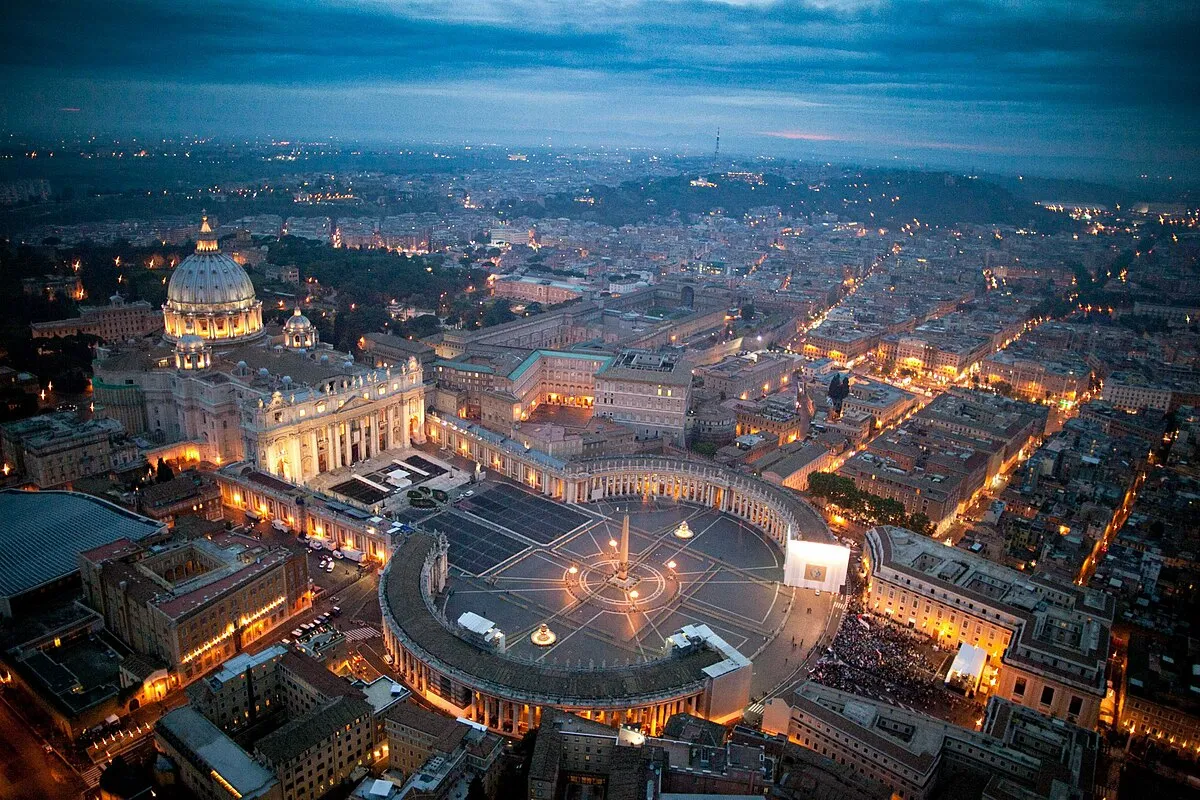
Vatican diplomacy operates differently from that of nation states driven by economic or military interests. Its influence is often understated, working through dialogue, moral persuasion, and long term relationships rather than public confrontation. Despite its quiet profile, Vatican diplomacy continues to play a meaningful role in international affairs, shaping conversations on peace, human dignity, and ethical responsibility.
The Holy See’s diplomatic presence reflects its unique identity as a moral and spiritual authority rather than a political power. Its representatives engage globally with governments, institutions, and communities, often away from headlines. This restrained approach allows Vatican diplomacy to remain effective in sensitive contexts where overt political pressure might fail.
A Diplomatic Tradition Rooted in Moral Authority
Vatican diplomacy is grounded in moral authority rather than national interest. Its positions are shaped by Catholic teaching on peace, justice, and human dignity. This ethical foundation allows the Holy See to engage with a wide range of actors without being perceived as pursuing strategic advantage.
Because it does not seek material gain, Vatican diplomacy often gains trust in situations marked by suspicion or conflict. Its credibility is built over time through consistency and principled engagement. This moral grounding explains why its voice continues to carry weight despite limited visibility.
Quiet Engagement Through Dialogue and Presence
One reason Vatican diplomacy remains influential is its preference for dialogue over public pressure. Diplomatic engagement often takes place through private meetings, careful communication, and sustained relationships. This approach reduces tension and opens space for honest conversation.
The Holy See maintains diplomatic ties with many nations, enabling ongoing contact even during periods of crisis. This continuous presence allows it to act as a bridge when communication between other parties becomes difficult. Quiet dialogue often proves more effective than public statements in sensitive situations.
Mediation and Conflict Prevention
Vatican diplomacy has a long history of involvement in mediation and conflict prevention. Its representatives often work behind the scenes to encourage negotiation and restraint. This role is rooted in the Church’s commitment to peace and reconciliation.
By avoiding alignment with specific power blocs, the Holy See can engage multiple sides of a conflict. This neutrality enhances its ability to foster dialogue. Even when mediation efforts are not publicly acknowledged, they contribute to reducing tensions and building pathways toward resolution.
Influence Through Ethical Consistency
Consistency is a defining feature of Vatican diplomacy. Its messages emphasize enduring principles such as respect for life, care for the vulnerable, and pursuit of peace. This consistency strengthens credibility across different political contexts.
Because the Holy See does not frequently change its ethical positions, its diplomatic voice is seen as reliable. Governments and international institutions recognize that Vatican engagement is guided by long term moral concerns rather than short term political calculations. This reliability enhances influence over time.
Engagement With Global Institutions
The Vatican participates actively in international organizations, contributing moral perspectives to global discussions. Its representatives address issues such as humanitarian response, development, and human rights. This engagement allows ethical considerations to be integrated into policy conversations.
By participating without seeking control, the Holy See reinforces its role as a moral contributor. Its presence reminds global institutions of the human consequences of their decisions. This influence often operates quietly but shapes broader frameworks of discussion.
The Role of Restraint in Diplomatic Credibility
Restraint is central to the Vatican’s diplomatic style. Public statements are measured and carefully crafted, avoiding inflammatory language. This restraint preserves credibility and prevents escalation.
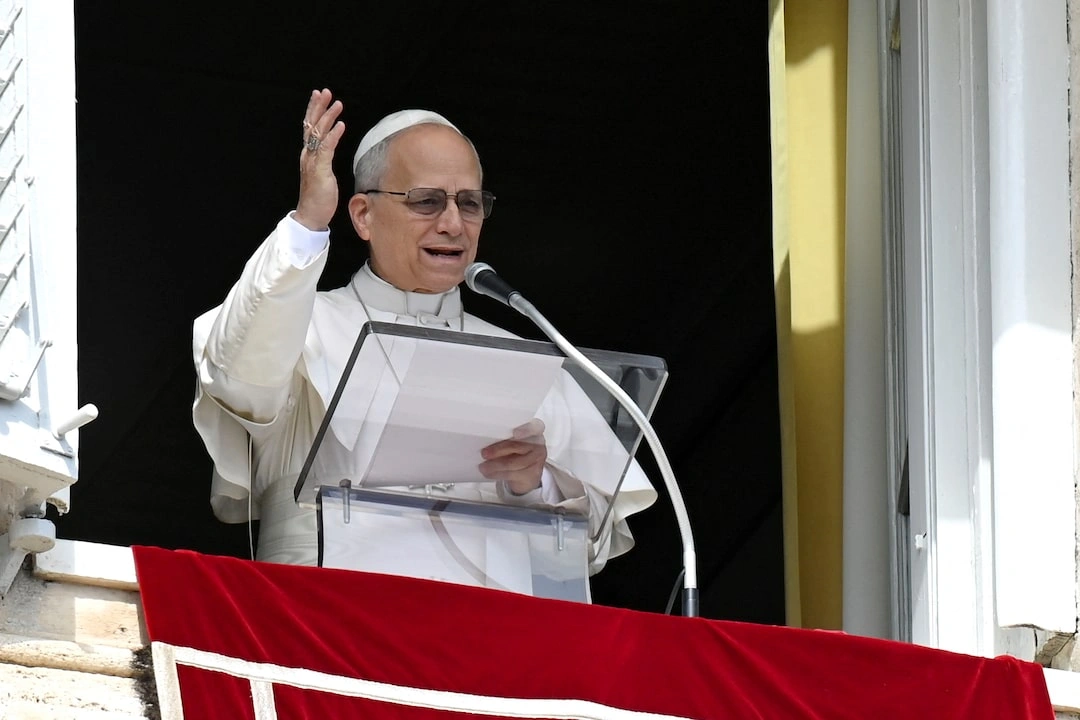
Under Pope Leo XIV, this approach continues to define Vatican diplomacy. By prioritizing thoughtful engagement over visibility, the Holy See maintains access to diverse actors. This restraint allows influence to grow steadily rather than fluctuate with political cycles.
Global Reach Beyond Headlines
Vatican diplomacy extends beyond formal diplomacy to include engagement with local Churches and communities. This global network provides insight into regional realities and strengthens diplomatic awareness. Local perspectives inform how the Holy See approaches international issues.
This broad reach allows Vatican diplomacy to respond with sensitivity and context. Influence flows not only from Rome outward but also from lived experience back to the center. This two way connection enhances effectiveness.
Conclusion
Vatican diplomacy remains quiet yet influential because it is rooted in moral authority, dialogue, and consistency. By prioritizing restraint and ethical engagement, the Holy See continues to shape international affairs without relying on power or publicity.