

How Catholic Teaching Addresses Modern Questions of Identity and Belonging


Questions of identity and belonging have become central concerns in contemporary society. Rapid cultural change, migration, technological connection, and social fragmentation have reshaped how individuals understand who they are and where they belong. In this environment, Catholic teaching offers a vision of identity rooted not in shifting labels but in a shared understanding of human dignity and relational responsibility.
The Church approaches identity as something deeper than personal preference or social classification. Catholic teaching emphasizes that belonging begins with the recognition of each person as created with purpose and called into relationship. This perspective provides a stable foundation for addressing modern questions without dismissing the complexity of lived experience.
Identity Rooted in Human Dignity
Catholic teaching begins with the belief that every person possesses inherent dignity. Identity is not earned through achievement or defined solely by external characteristics. It flows from being human and is affirmed regardless of circumstance. This understanding challenges cultural narratives that tie worth to productivity, status, or conformity.
By grounding identity in dignity, the Church offers an inclusive moral framework. Belonging is not conditional on background or social acceptance. This foundation allows individuals to see themselves and others as worthy of respect, even amid disagreement or difference.
Belonging Through Relationship and Community
Catholic teaching understands belonging as relational rather than individualistic. Human identity is shaped through relationship with others and with God. The Church presents community as essential to human flourishing, emphasizing that people are not meant to exist in isolation.
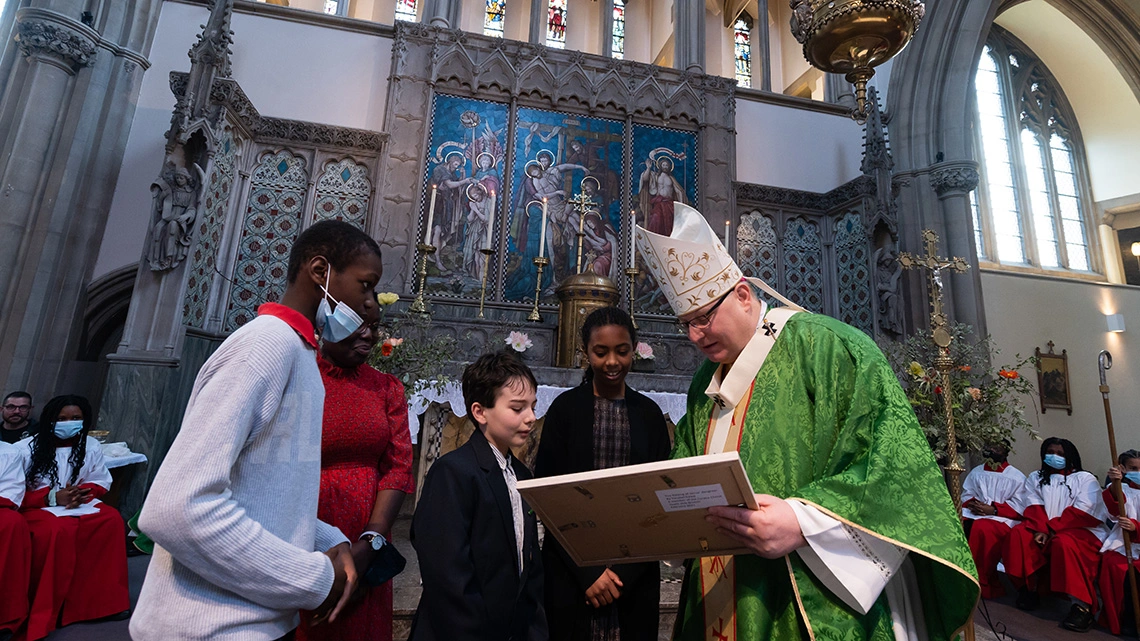
Parishes and faith communities embody this understanding by offering spaces of shared worship, service, and support. Belonging within the Church is not based on uniform experience but on shared faith and mutual responsibility. This communal vision responds to modern experiences of loneliness and disconnection.
Navigating Cultural and Social Diversity
Modern societies are increasingly diverse, raising questions about how identity is expressed and respected. Catholic teaching affirms cultural diversity while emphasizing unity rooted in shared humanity. Differences in language, tradition, and custom are understood as expressions of human creativity rather than divisions.
The Church encourages respect for cultural identity while resisting divisions that undermine solidarity. By affirming both diversity and unity, Catholic teaching provides guidance for navigating pluralistic societies without reducing identity to conflict.
Identity and Moral Responsibility
Catholic teaching links identity to moral responsibility. Understanding who one is includes recognizing obligations toward others. Belonging involves participation in the common good and care for the vulnerable. Identity is expressed not only in self understanding but in action.
This perspective counters approaches that treat identity as purely personal. The Church teaches that authentic belonging is lived through service, compassion, and ethical commitment. Identity becomes meaningful when it contributes to the well being of others.
Addressing Identity in a Time of Social Change
As social norms evolve, many people experience uncertainty about belonging. Catholic teaching responds by offering continuity amid change. It invites reflection grounded in faith rather than reaction to cultural pressure. This approach provides space for dialogue while maintaining moral clarity.
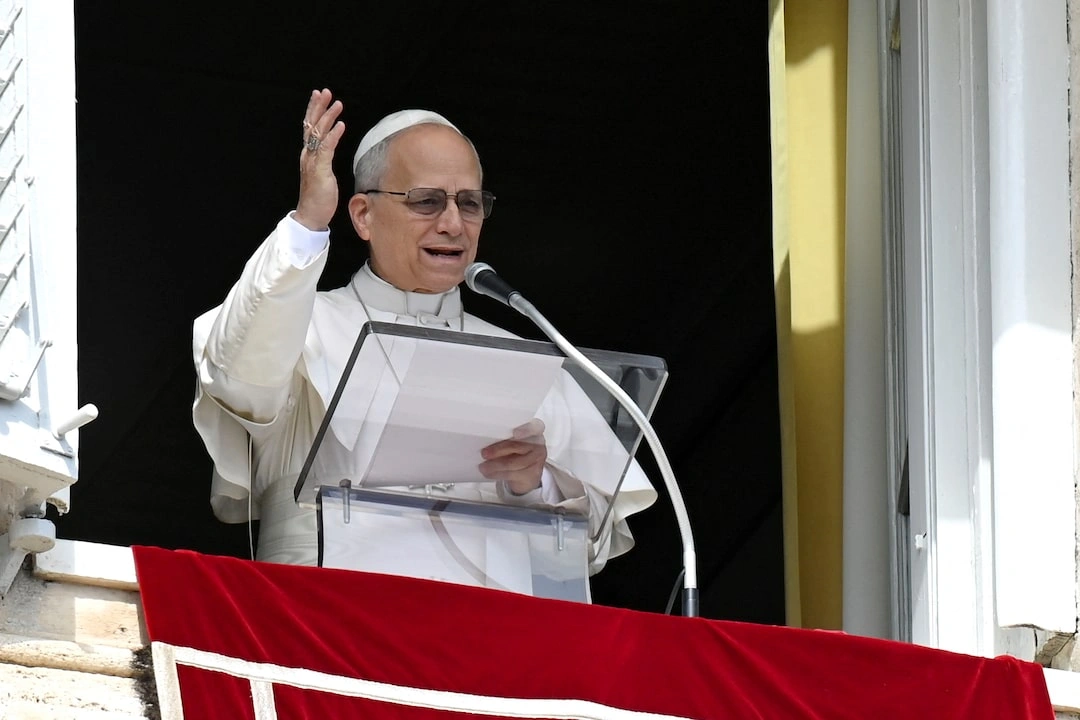
Under Pope Leo XIV, the Church continues to emphasize listening and discernment. Addressing questions of identity involves patience and accompaniment rather than judgment. This pastoral approach strengthens belonging by affirming dignity while guiding reflection.
A Universal Vision of Belonging
The Church presents belonging as universal rather than exclusive. Catholic teaching affirms that humanity shares a common origin and destiny. This vision challenges divisions based on nationality, ideology, or status.
By emphasizing universal belonging, the Church promotes solidarity across differences. This perspective supports engagement with global issues such as migration, inequality, and social cohesion. Belonging is understood as participation in a shared human family.
Conclusion
Catholic teaching addresses modern questions of identity and belonging by grounding them in human dignity, relationship, and moral responsibility. This vision offers stability and meaning in a changing world while affirming that true belonging is found in shared humanity and faith.