
Jimmy Lai Convicted in Hong Kong Security Case
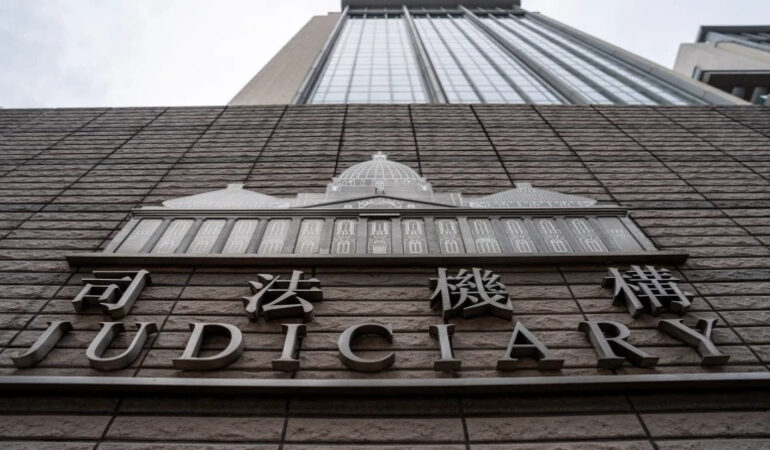

Hong Kong media figure and Catholic human rights advocate Jimmy Lai has been found guilty of multiple national security violations, concluding a prolonged legal process that has drawn sustained international scrutiny. The verdict was delivered following several years of proceedings under China’s national security framework, with sentencing expected at a later stage. Lai, who is in his late seventies, now faces the possibility of life imprisonment. The case has been widely viewed by observers as emblematic of the changing legal and political environment in Hong Kong, particularly since the introduction of the national security law. For global religious and human rights communities, the ruling raises renewed questions about freedom of expression, judicial independence, and the treatment of faith based public figures operating within restrictive political systems.
Lai’s conviction follows earlier prison sentences related to fraud and public assembly offenses, all stemming from his role as a publisher and outspoken supporter of democratic principles. Over the years, his legal challenges have been accompanied by growing concern from religious leaders, civil liberties groups, and international institutions. As a convert to Catholicism, Lai has been supported by members of the global Church who view his case through both moral and ethical lenses. Several Catholic organizations and academic institutions have previously recognized his advocacy for human rights. His prolonged detention and trial have become a reference point in discussions about conscience, belief, and the intersection between religious identity and state authority in contemporary governance systems.
Family members have publicly expressed disappointment with the verdict while reaffirming their belief in Lai’s innocence. They have described the ruling as expected but deeply troubling, emphasizing its emotional and moral impact rather than its political dimensions. Statements from relatives have focused on concerns about Lai’s health, age, and extended confinement, as well as the personal cost of prolonged separation. These reactions have resonated with broader faith based communities that emphasize dignity, mercy, and justice, particularly in cases involving elderly prisoners. International advocacy efforts have continued alongside diplomatic statements from multiple governments calling for humane treatment and legal transparency.
The case has also prompted renewed responses from political leaders and international organizations, reinforcing its global significance beyond Hong Kong. Calls for Lai’s release and access to medical care have been framed as matters of fundamental rights rather than partisan alignment. Within Vatican focused discourse, the situation highlights ongoing tensions between Church affiliated individuals and state power in regions where religious expression intersects with political control. The outcome of the case is likely to remain a point of reference in discussions on religious freedom, justice, and ethical responsibility within global governance structures.