Pope Highlights Christian Archaeology’s Modern Role
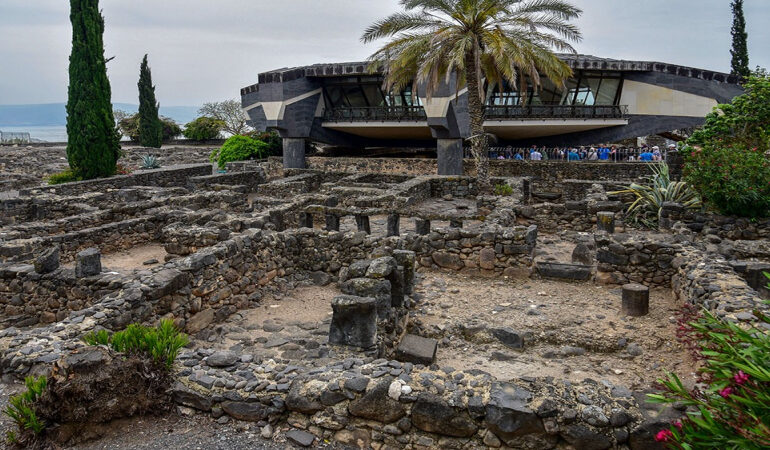

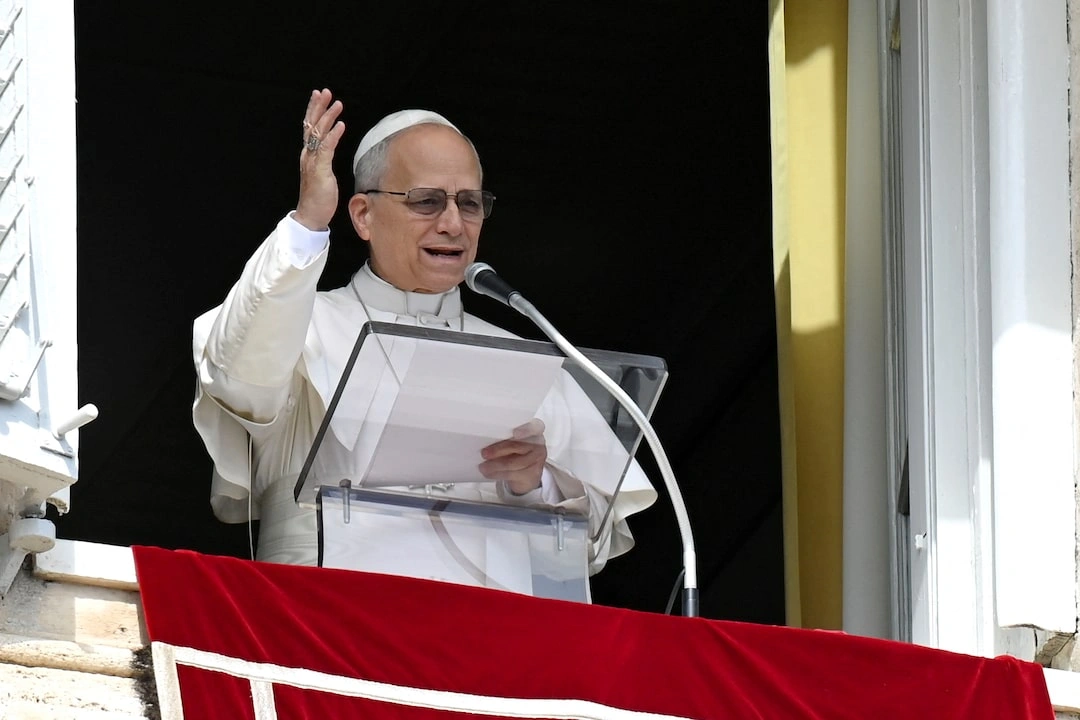
Pope Leo XIV has emphasized the importance of Christian archaeology as a living resource for faith, culture, and historical understanding, describing it as a ministry that connects belief with tangible human experience. In a recent Vatican document marking the centenary of the Pontifical Institute of Christian Archaeology, the Pope reflected on how material remains from early Christianity allow people to encounter the roots of the faith through history rather than abstraction. He described archaeology as a way of seeing and touching the reality of the Gospel within time and place, noting that ancient sites, artifacts, and burial spaces speak not only to believers but also to those who question meaning or remain distant from religion. The Pope framed archaeology as an educational and pastoral tool that invites reflection through memory, patience, and careful study rather than speed or spectacle.
The Vatican letter presented archaeology as a bridge between past and present, arguing that it helps the Church preserve continuity while engaging modern audiences. Pope Leo cautioned against viewing the discipline as a nostalgic attachment to history, instead portraying it as a method for allowing the past to illuminate contemporary faith and culture. He stressed that archaeological study reveals how Christian belief endured persecution, transformation, and social change while remaining generative across centuries. This historical resilience, he suggested, offers reassurance in an era marked by instability and cultural amnesia. By highlighting the discipline’s capacity to foster respect for detail and preservation, the Pope linked archaeological practice with broader values of care, stewardship, and attentiveness that extend beyond academic inquiry.
The Pope also addressed the educational significance of Christian archaeology, particularly for younger generations and scholars. He noted that many young people seek authenticity and grounding, which historical evidence can provide by demonstrating that faith has concrete roots. For academics, archaeology presents belief as a documented historical reality rather than a theoretical construct. Pilgrims, meanwhile, encounter these sites as spaces of prayer and reflection that connect personal journeys with collective memory. Pope Leo encouraged bishops and leaders in education and culture to support formal training in archaeology, presenting it as a vocation that serves both the Church and society. He described archaeological work as an act of interpretation rather than destruction, uncovering meaning through careful reading of physical traces.
Within the Vatican’s broader cultural mission, the Pope called for cooperation among institutions responsible for archaeological research, preservation, and education. He urged these bodies to communicate and support one another in order to strengthen the Church’s engagement with history and culture. Christian archaeology, he wrote, promotes respect for diversity by demonstrating how faith has taken root across different peoples and eras. By making visible the historical narrative of salvation through spaces and objects, the discipline contributes to evangelization without reliance on rhetoric alone. The Pope’s reflections position archaeology as a quiet but enduring form of witness, one that reinforces the Church’s connection to history while offering insight and hope to the present.