

Understanding the Structure of Vatican Governance and Institutional Authority
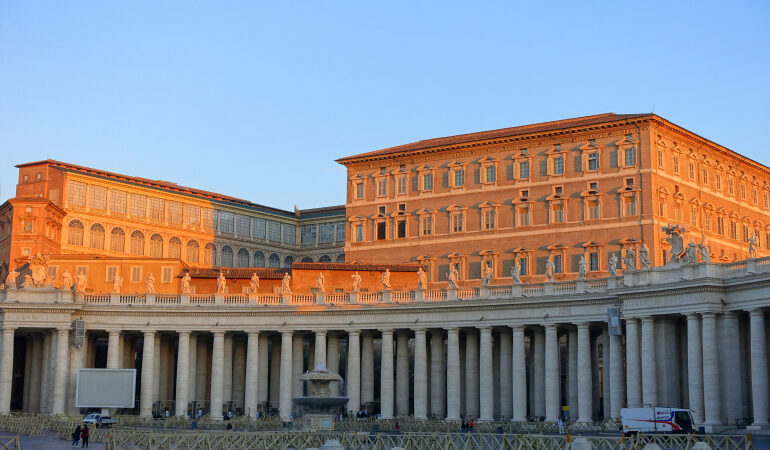

The governance of the Vatican is shaped by centuries of institutional development aimed at supporting the spiritual mission of the Catholic Church. As the central administrative body of a global religious community, Vatican governance balances authority, responsibility, and service. Its structure is designed to ensure unity, coordination, and accountability while respecting the Church’s theological foundations.
Understanding how Vatican governance functions helps clarify how decisions are made and implemented. Institutional authority within the Vatican is not purely administrative but is closely tied to pastoral purpose. Governance structures exist to serve the mission of the Church rather than operate as an end in themselves.
The Foundations of Vatican Governance
Vatican governance is rooted in the understanding of authority as service. Institutional authority is exercised to support the Church’s spiritual mission, pastoral care, and global coordination. This foundation shapes how governance structures are organized and how responsibilities are distributed.
At the center of governance is the papal office, which provides unity and direction. Supporting this role are various institutions that assist in administration, diplomacy, and internal oversight. These structures operate within a framework defined by canon law and long standing tradition.
The foundation of governance emphasizes order and coherence. By clearly defining authority and responsibility, the Vatican seeks to ensure that decisions reflect consistency and alignment with the Church’s mission.
Key Institutions Within Vatican Administration
Vatican governance involves several key institutions that contribute to decision making and administration. These bodies support areas such as doctrine, pastoral care, diplomacy, finance, and communication. Each institution has a defined mandate that helps maintain clarity and efficiency.
The Roman Curia plays a central role in assisting governance. It includes departments that handle specific aspects of Church administration and global coordination. These bodies operate collaboratively rather than independently, ensuring that authority is exercised within established boundaries.
Institutional authority is structured to promote accountability. Defined competencies and reporting relationships help ensure that decisions are reviewed and implemented responsibly. This structure supports effective governance across diverse areas of responsibility.
Authority and Accountability in Decision Making
Authority within Vatican governance is closely linked to accountability. Decision making follows established processes that involve consultation, review, and discernment. This approach reflects the Church’s understanding that authority should be exercised with responsibility and care.
Accountability mechanisms help ensure that institutional authority remains aligned with ethical and pastoral principles. Oversight structures allow for evaluation and correction when necessary. This balance supports integrity and trust within governance.
By integrating accountability into authority, Vatican governance reinforces the idea that leadership serves the Church’s mission. Decisions are guided by moral responsibility rather than personal discretion.
Governance in a Global Church Context
The Vatican’s governance structure must serve a global Church spanning diverse cultures and regions. Institutional authority provides unity while allowing local churches to address their specific pastoral needs. This balance supports cohesion without imposing uniformity.
Global governance requires coordination and dialogue. Vatican institutions facilitate communication and collaboration across regions, helping maintain consistency in teaching and administration. This coordination strengthens unity while respecting diversity.
Authority within this global context is exercised with sensitivity. Governance structures aim to support local leadership while providing guidance rooted in shared principles. This approach reinforces trust across the worldwide Church.
Continuity and Adaptation in Governance Structures
Vatican governance reflects both continuity and adaptation. Structures have evolved over time in response to historical circumstances and emerging needs. Reform efforts seek to improve effectiveness while preserving foundational principles.
Adaptation allows governance to respond to modern challenges such as increased complexity and global communication. At the same time, continuity ensures that authority remains grounded in tradition and mission. This balance supports stability and relevance.
Institutional authority is strengthened through reflection and reform. By evaluating governance structures, the Vatican seeks to ensure that authority continues to serve the Church effectively.
Conclusion
Understanding the structure of Vatican governance reveals how institutional authority is organized to support unity, accountability, and mission. Through defined institutions, balanced authority, and ethical responsibility, governance structures serve the global Church with purpose and coherence. This framework ensures that authority remains a means of service in a complex and evolving world.