

Vatican Mission Condemns Sydney Violence and Calls for Unity

The Catholic Church’s missionary leadership in Australia has strongly condemned the deadly attack that struck a Hanukkah gathering in Sydney, framing the incident as a profound moral failure that demands unity across religious and civic lines. Church representatives described the violence as incompatible with the principles of peace, coexistence, and mutual respect that underpin Australian society and global faith traditions. The attack, which targeted a Jewish religious celebration, has been widely characterized within Church circles as an assault not only on a specific community but on the social fabric that protects freedom of worship. Expressions of solidarity have emphasized grief for those killed and injured, while also acknowledging the wider shock experienced by families, local residents, and the broader public.
Catholic leaders in Australia have aligned their response with that of the national bishops, who highlighted the deep trauma inflicted by the loss of innocent lives and the lasting impact on loved ones. Their statements have underscored concern over the ideological motivations linked to antisemitism, warning that such hatred represents a threat to all communities, not only those directly targeted. The Church’s messaging has focused on rejecting every form of religious or ethnic hostility, while urging citizens to recommit to dialogue and mutual understanding. This approach reflects a broader Vatican emphasis on interfaith solidarity, particularly in moments of crisis where violence risks fueling division rather than collective resolve.
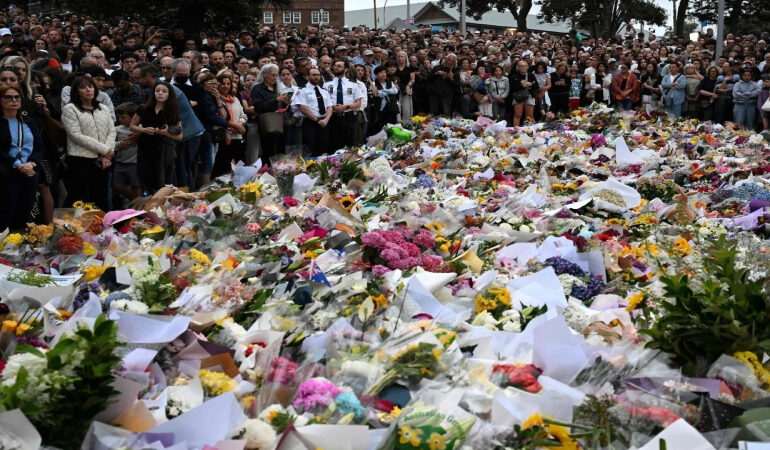
Authorities have described the incident as a terrorist act, adding a security dimension to the moral and social questions raised by the tragedy. As investigations continue and victims receive medical care, public mourning has transformed parts of Sydney into spaces of reflection and remembrance. Within Church-linked institutions, the response has extended beyond condemnation to prayer and calls for sustained peacebuilding efforts. Religious leaders have stressed that confronting violence requires more than immediate outrage, pointing instead to long-term commitments to education, community engagement, and ethical leadership. The Church’s stance situates the attack within a global context where faith communities increasingly face shared challenges related to extremism, social polarization, and the protection of human dignity.