

Vatican Urges Global Action as Nigerian Catholic School Abductions Continue
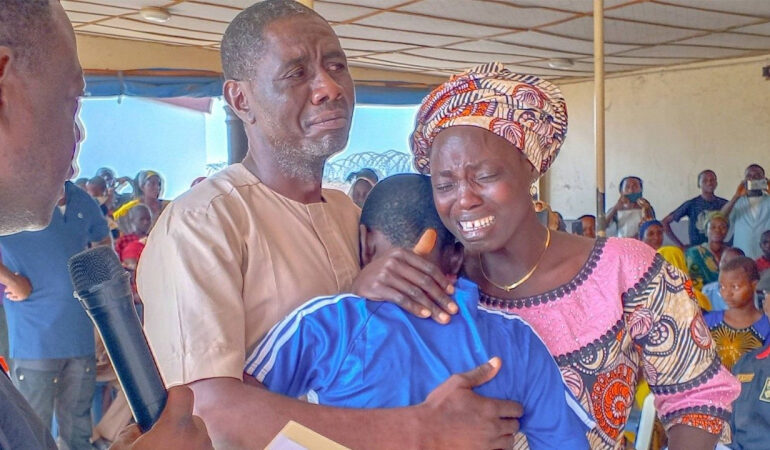

The prolonged captivity of students and staff from a Catholic school in northwestern Nigeria has intensified global concern within the Church, as religious leaders warn of mounting humanitarian and moral consequences. More than three weeks after an armed attack on St. Mary’s Catholic Primary and Secondary Schools in Papiri, 165 people remain held in forest camps under harsh conditions. Church officials describe the situation as a test of collective responsibility, emphasizing that the victims include very young children taken from their dormitories at night with little protection. The ongoing crisis has deepened anxiety among families and local communities, while drawing renewed attention to insecurity affecting faith-based institutions across parts of Africa.
Church representatives overseeing the schools have confirmed that those still in captivity include nursery pupils as young as five, alongside primary school children and staff members. Although the release of 100 captives earlier this month offered brief relief, Catholic leaders stress that partial freedom does not resolve the wider ethical failure surrounding the abductions. The school, administered by a religious congregation under diocesan authority, has become a symbol of broader instability that threatens education, social trust, and religious life. Church voices continue to frame the situation not only as a security issue but also as a moral crisis requiring sustained international engagement.
Senior figures within the Church have appealed to global institutions, governments, and civil society to act decisively in support of Nigerian authorities. Their message centers on the responsibility of political power to protect vulnerable populations and prevent prolonged suffering. Beyond immediate security measures, the appeals reflect long-standing Catholic social teaching that places the dignity of children and the duty of solidarity at the center of public life. The continued detention of minors has been described as incompatible with fundamental principles of justice, underscoring the need for coordinated diplomatic, humanitarian, and community-based responses rather than silence or delay.
The situation has also reinforced broader conversations within Vatican-linked circles about the Church’s role in conflict zones and fragile states. Faith-based education systems often operate where public services are weakest, making them both essential and exposed. As prayers and advocacy efforts continue worldwide, Church leaders argue that moral concern must translate into practical action. The crisis in Papiri stands as a reminder that religious institutions remain deeply intertwined with global justice challenges, and that sustained attention from the international community is critical to ensuring the safety and future of children whose lives have been disrupted by violence.