
Inside the Faith Shaped Childhood of Pope Leo XIV
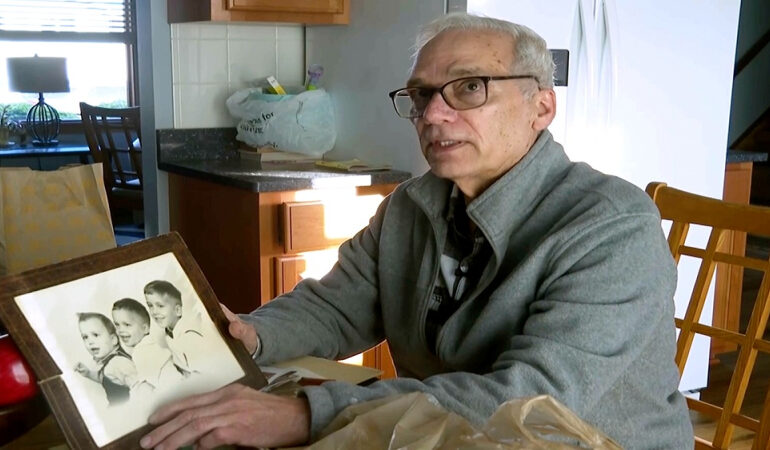

Reflections on the early life of Pope Leo XIV have drawn renewed attention to the formative role of family, faith, and education in shaping the current pontiff’s outlook. Recollections shared by his brother present a picture of an ordinary American household rooted in routine, discipline, and parish life. Raised in a close knit neighborhood outside Chicago, the family environment emphasized stability, shared responsibility, and regular participation in Church life. Sunday Mass, daily prayer rhythms, and strong ties to a local parish created a setting where faith was practiced quietly rather than imposed. Education held a central place in the household, influenced by parents whose professional lives were tied to schools and learning. This combination of structure and freedom appears to have allowed religious vocation to emerge gradually, without pressure, within a family context that valued service, reflection, and consistency over outward display.
Accounts of childhood routines highlight how faith was integrated into everyday life rather than separated from it. Meals were shared, conversations centered on school and daily experiences, and prayer was modeled through example rather than instruction. Exposure to religious life came naturally through parish connections, visiting clergy, and family involvement in Church organizations. Liturgical changes following the Second Vatican Council were experienced firsthand, offering early exposure to the Church as a living institution capable of adaptation. These experiences coincided with early linguistic exposure and academic encouragement, elements that later became visible in Pope Leo XIV’s intellectual and pastoral profile. Observers within Vatican circles often note that such early grounding can influence approaches to governance and dialogue, especially when leadership emphasizes continuity, listening, and cultural awareness rather than abrupt transformation.
Within the broader context of Vatican affairs, these reflections offer insight into how personal formation intersects with institutional leadership. The narrative reinforces themes often present in contemporary Church discourse, including the role of family as the first place of faith transmission and the importance of lived example over formal instruction. For global audiences, particularly those attentive to Church governance and moral leadership, the account provides context without drifting into sentimentality. It frames the papacy not as a sudden departure from ordinary life but as an extension of long established values shaped by community, discipline, and service. Such perspectives contribute to understanding how personal history can inform approaches to authority, dialogue, and responsibility within the Vatican, while remaining consistent with broader theological and social priorities.