Religion Shapes Dialogue at EU Balkans Summit
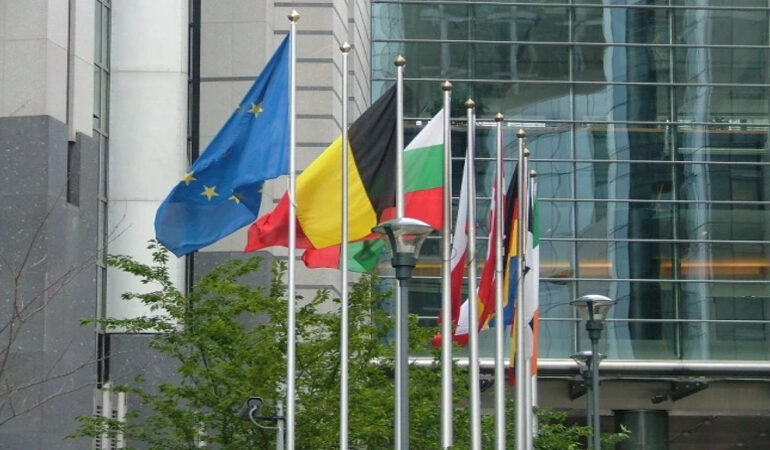

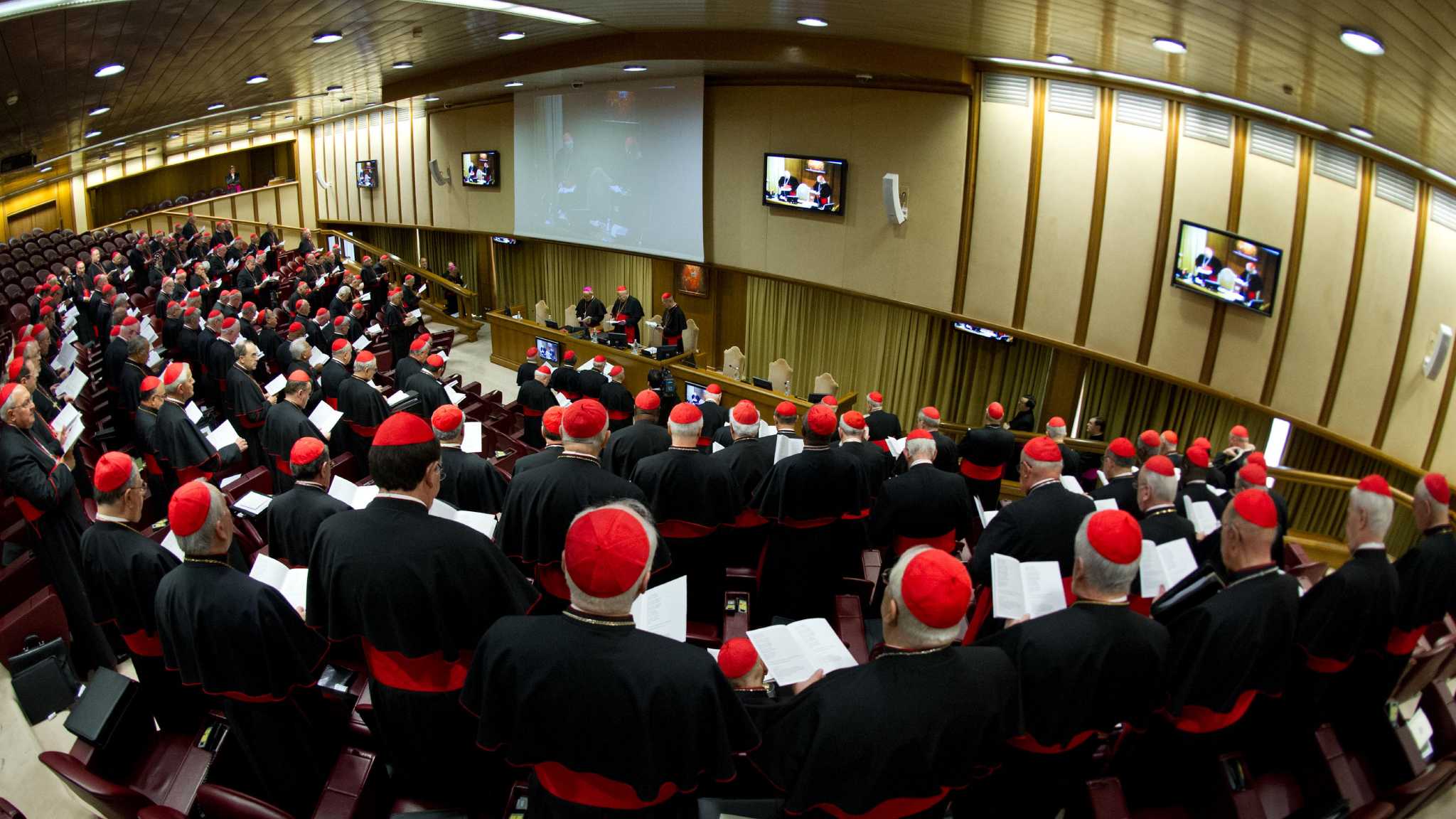
Religion has emerged as a quiet but significant factor as European Union officials and Western Balkan leaders gather in Brussels on Wednesday to discuss enlargement and regional stability. The summit brings together representatives from Albania, Bosnia and Herzegovina, Kosovo, Montenegro, North Macedonia, and Serbia, countries where religious identity remains deeply intertwined with national history, politics, and social life. While the EU presents itself as a largely secular project, diplomats and analysts note that the Western Balkans’ complex mix of Orthodox, Muslim, and Catholic communities continues to shape public attitudes and geopolitical alignments. As talks focus on integration, security, and economic support, religion remains an underlying dimension influencing trust, cohesion, and long term prospects for membership.
The Western Balkans display a diverse religious landscape shaped by centuries of shifting borders and empires. Orthodox Christianity dominates in Serbia and Montenegro, while Islam is the majority faith in Albania and Kosovo and a major presence in Bosnia and Herzegovina. Catholic communities form important minorities across the region, particularly in Croatia’s neighboring states and parts of Bosnia. Church leaders and researchers note that these traditions are often closely linked to national identity, making religious institutions influential actors beyond strictly spiritual matters. In some countries, Orthodox churches play a role in nation building, while Muslim and Catholic communities navigate minority status within broader political frameworks.
Observers also point to external pressures affecting the region, including competing geopolitical influences and unresolved historical tensions. Analysts warn that religious affiliations can sometimes be instrumentalized in political narratives, particularly where questions of sovereignty and alignment with Europe or other powers remain contested. At the same time, religious leaders across traditions have emphasized dialogue and coexistence, noting that interreligious cooperation is essential for social stability. Reports on religious freedom indicate mixed conditions across the region, with some progress alongside persistent fragility in legal protections and public trust.
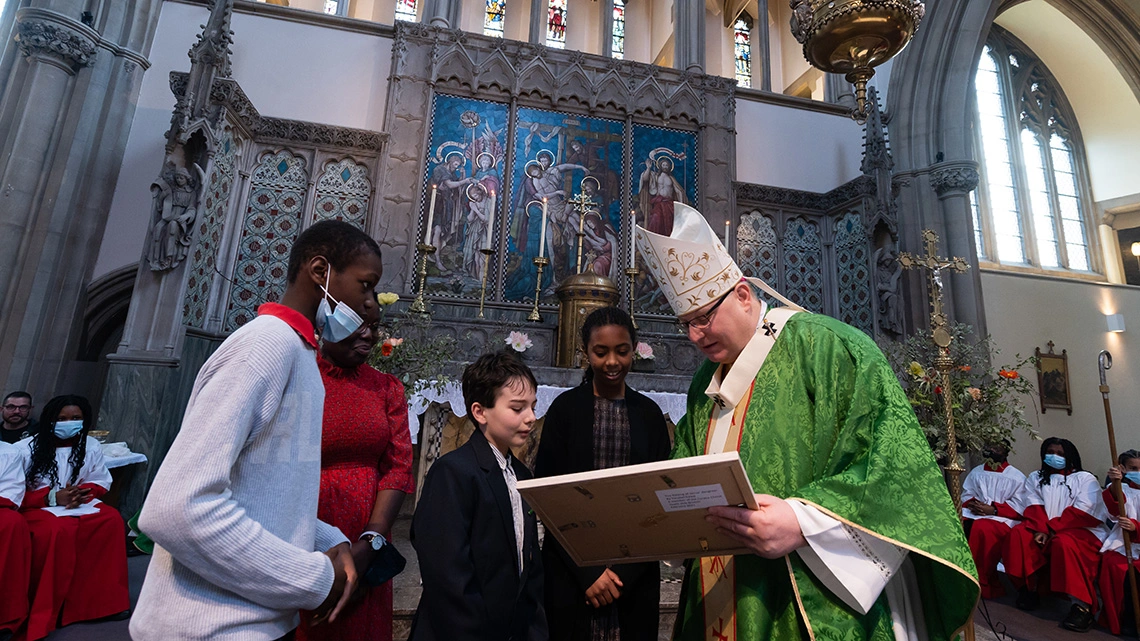
For the European Union, engagement with the Western Balkans increasingly requires sensitivity to these realities. Some churches maintain dialogue with EU institutions in Brussels, viewing the Union as a key political and economic actor affecting their faithful. Religious leaders have stressed that European integration must respect religious freedom and cultural identity while promoting the rule of law. As enlargement discussions continue, the summit highlights how religion, though often understated, remains a central element in the Balkans’ relationship with the EU and its vision of a stable European future.