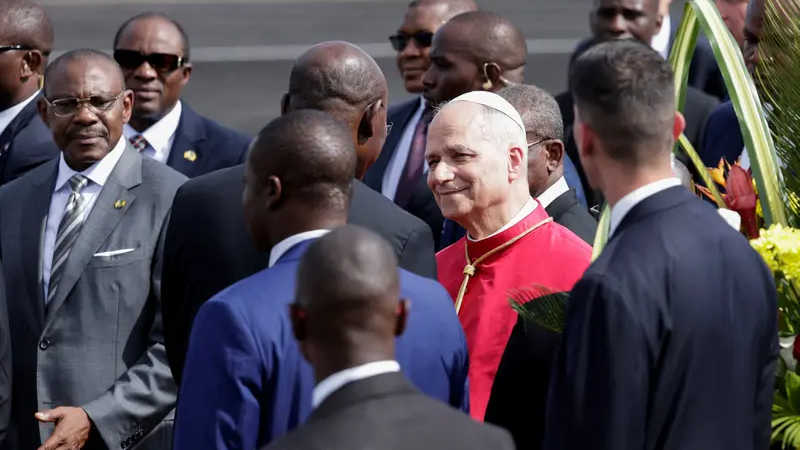
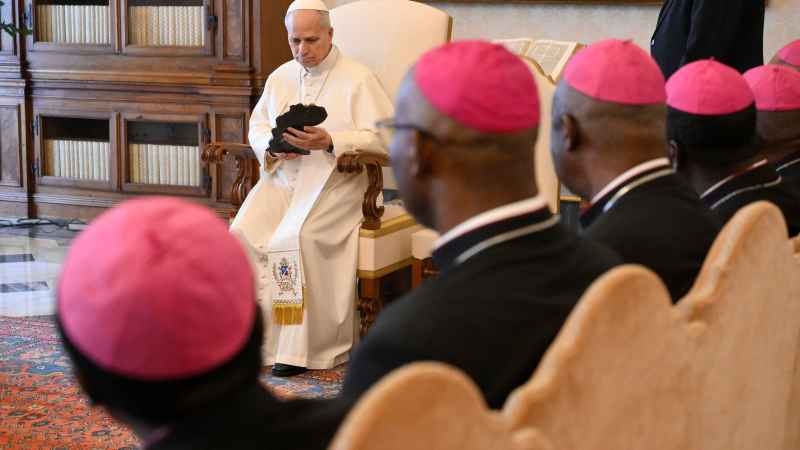
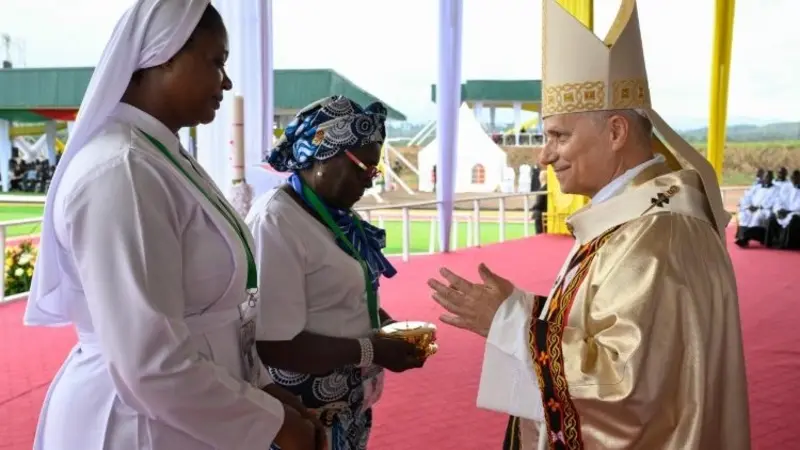

Early Messages From Pope Leo XIV Signal a Measured Shift in Vatican Leadership Style
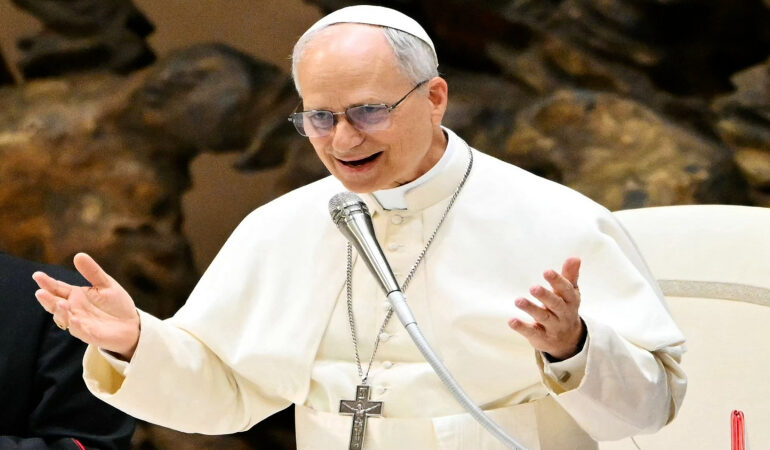

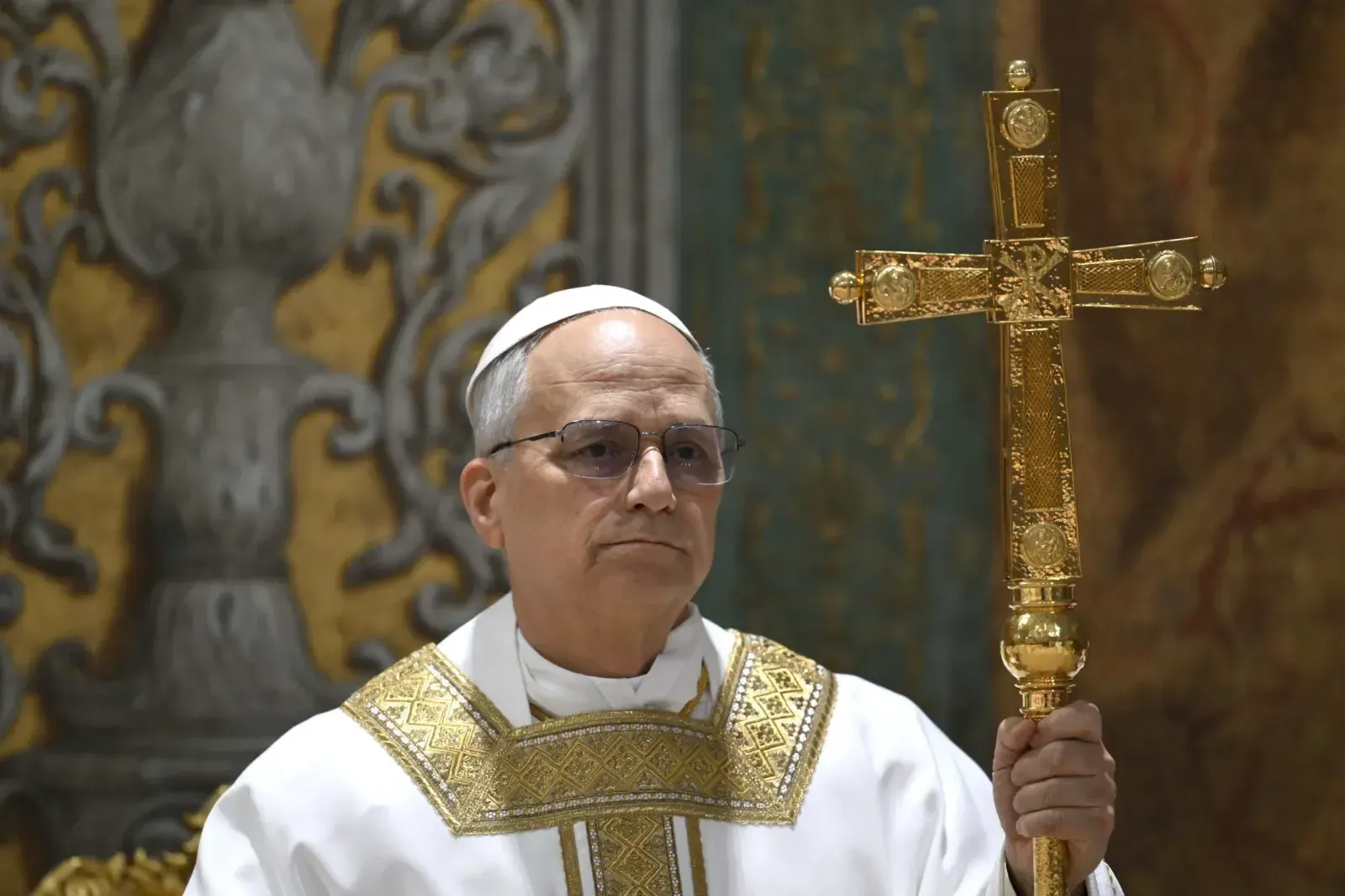
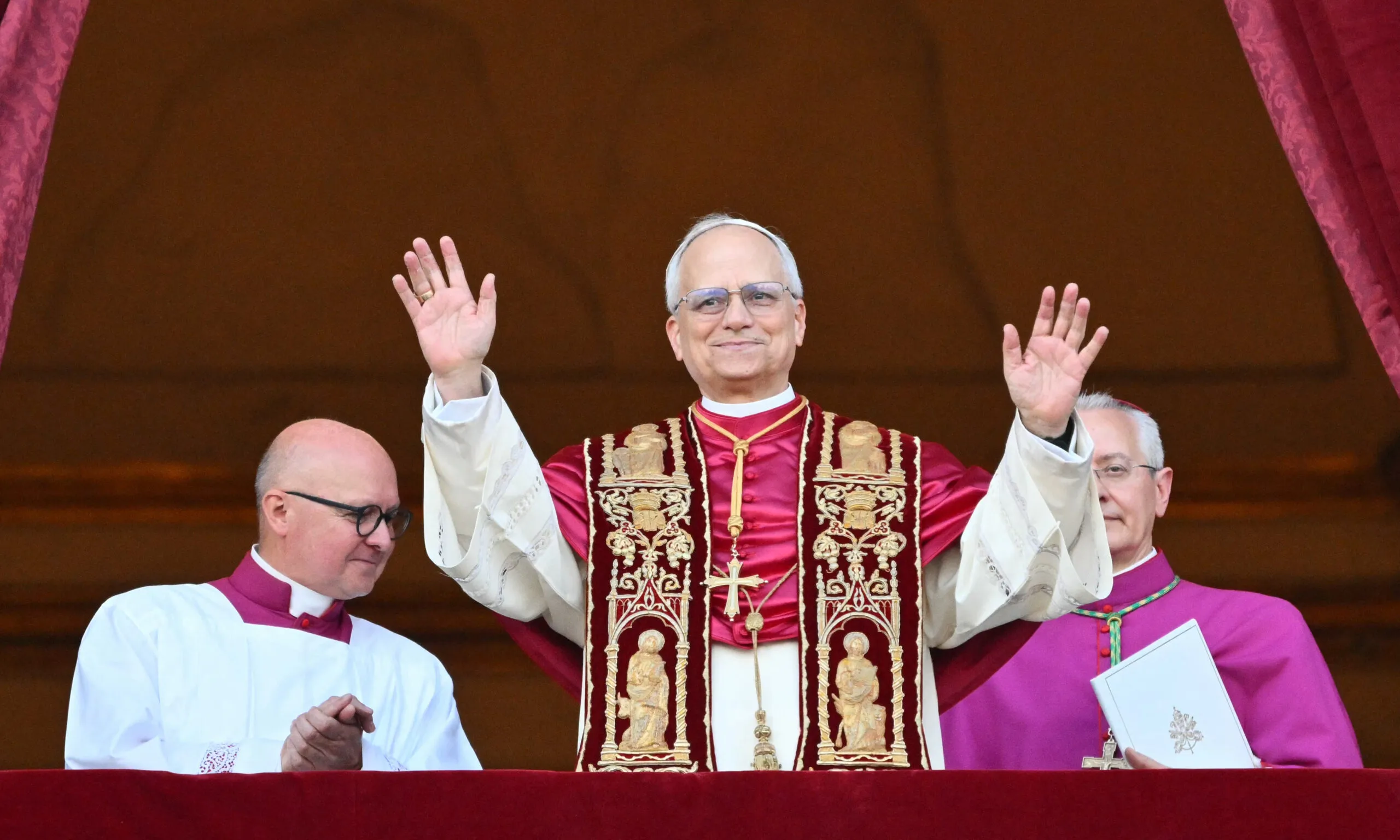
The early messages delivered by Pope Leo XIV have offered a clear indication of how his pontificate may differ in tone and approach from recent Vatican leadership styles. Rather than relying on bold gestures or sweeping declarations, the new pope has adopted a calm and deliberate voice that emphasizes stability, reflection, and responsibility. This measured approach has been closely observed by Catholics and Vatican watchers seeking insight into the priorities shaping the Church’s next chapter.
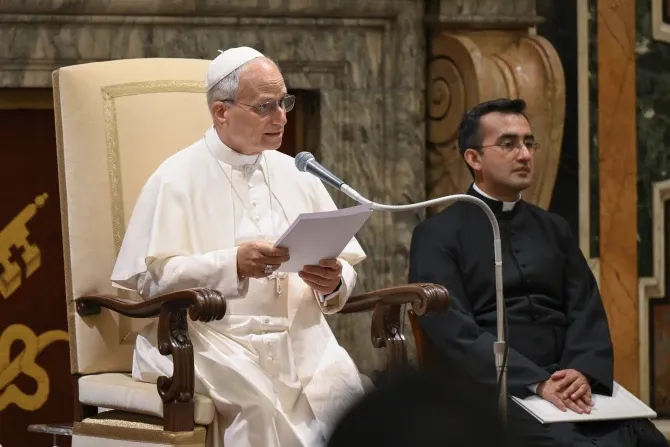
From homilies to public remarks, Pope Leo XIV has consistently avoided confrontational language. His communication style reflects a preference for clarity over urgency and discernment over immediacy. In a period marked by global uncertainty and internal Church debates, this leadership posture suggests an intentional effort to steady the institution while reaffirming its moral and spiritual foundations.
A Deliberate and Cautious Public Tone
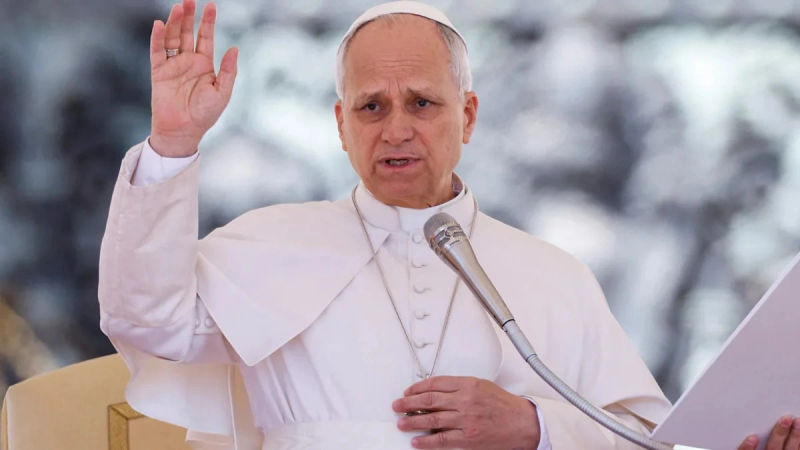
One of the most noticeable aspects of Pope Leo XIV’s early leadership has been his restrained public tone. His speeches have focused on essential themes such as prayer, humility, and service, rather than policy driven language or institutional critique. This restraint signals a leadership style that values reflection before action and continuity before experimentation.
By choosing careful language, Pope Leo XIV appears intent on lowering internal tensions that have affected Church discourse in recent years. His approach encourages patience and mutual understanding, particularly among bishops and clergy navigating complex pastoral realities. This tone sets expectations for a pontificate grounded in calm guidance rather than constant public debate.
Emphasis on Listening and Discernment
Another defining feature of Pope Leo XIV’s early messages is a strong emphasis on listening. He has repeatedly spoken about the importance of discernment at both personal and institutional levels. This focus suggests a leadership model that values consultation and thoughtful decision making over centralized authority exercised in isolation.
Listening, as presented by Pope Leo XIV, is not portrayed as indecision. Instead, it is framed as a spiritual discipline rooted in prayer and openness to the needs of the faithful. By elevating discernment, he reinforces the idea that effective leadership begins with understanding before action, especially in a global Church marked by cultural and social diversity.
Institutional Stability Over Immediate Reform
Pope Leo XIV’s messaging also reflects a clear concern for institutional stability. While acknowledging challenges facing the Church, he has avoided framing his pontificate around rapid reform agendas. This signals an awareness that lasting change requires trust, coherence, and time, particularly after periods of transition.
This preference for stability does not imply resistance to growth or renewal. Rather, it suggests that Pope Leo XIV views reform as a gradual process rooted in moral credibility and pastoral care. By prioritizing stability, he aims to preserve unity while creating space for thoughtful engagement with long term issues.
Reframing Authority as Service
A notable theme running through Pope Leo XIV’s early remarks is the understanding of authority as service. He has consistently described leadership within the Church as a responsibility to guide, support, and protect rather than command. This framing aligns with longstanding Catholic teaching while offering a renewed emphasis on humility.
By presenting authority in this way, Pope Leo XIV reinforces trust between Church leadership and the faithful. His language suggests a desire to strengthen relationships rather than assert control. This approach may shape how decisions are communicated and received throughout his pontificate.
Conclusion
The early messages of Pope Leo XIV point toward a Vatican leadership style defined by restraint, attentiveness, and stability. His measured tone, emphasis on listening, and focus on service reflect a conscious effort to guide the Church with patience and moral clarity. As his pontificate continues to unfold, this approach may help foster unity and confidence during a time when steady leadership is widely sought.