
Inside the Vatican’s Institutional Transition Following the Papal Change
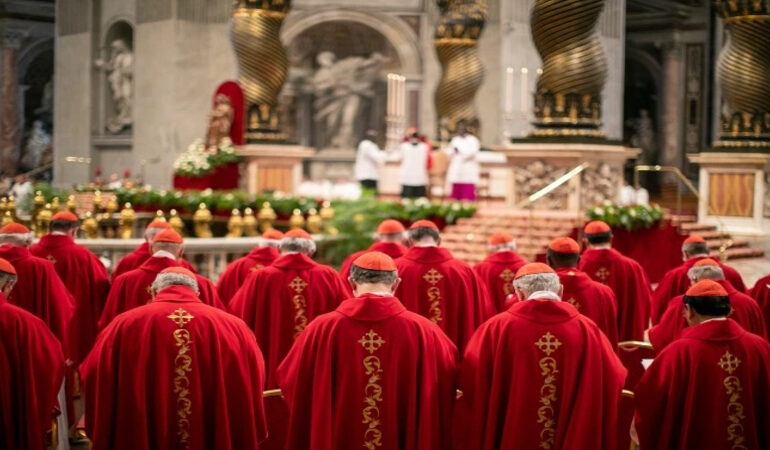

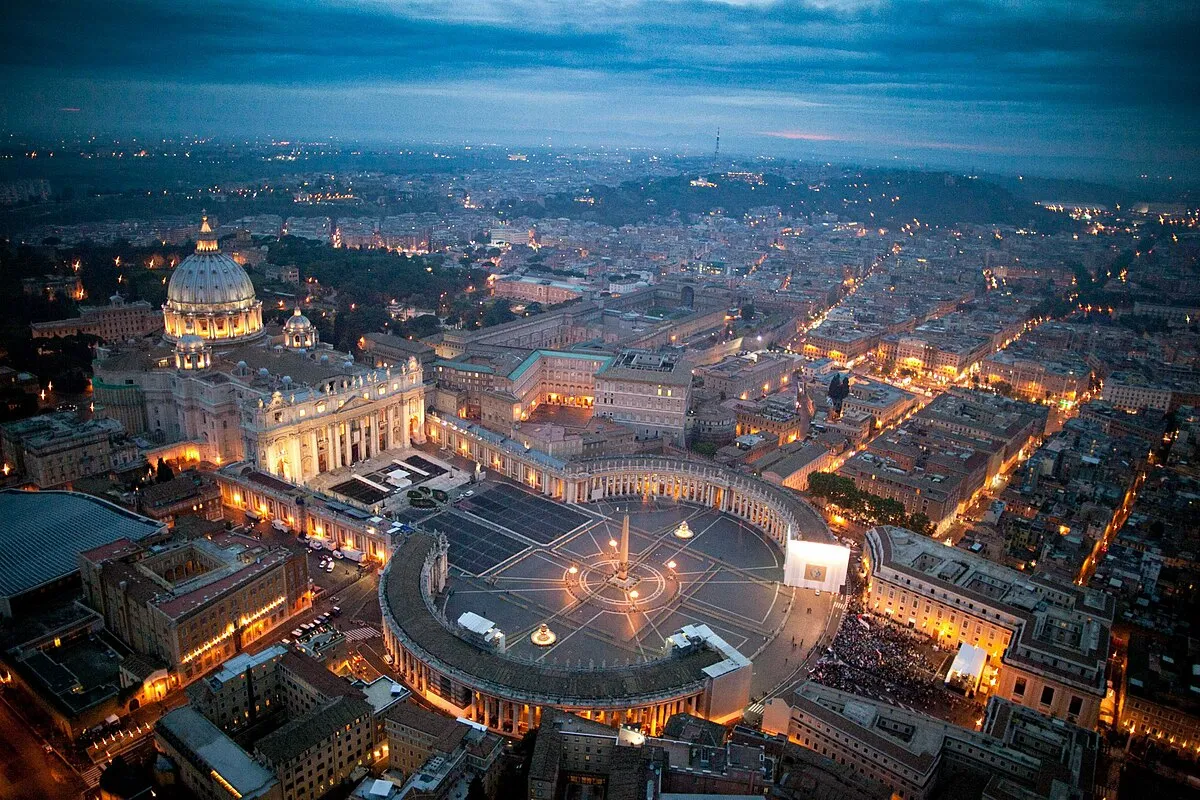
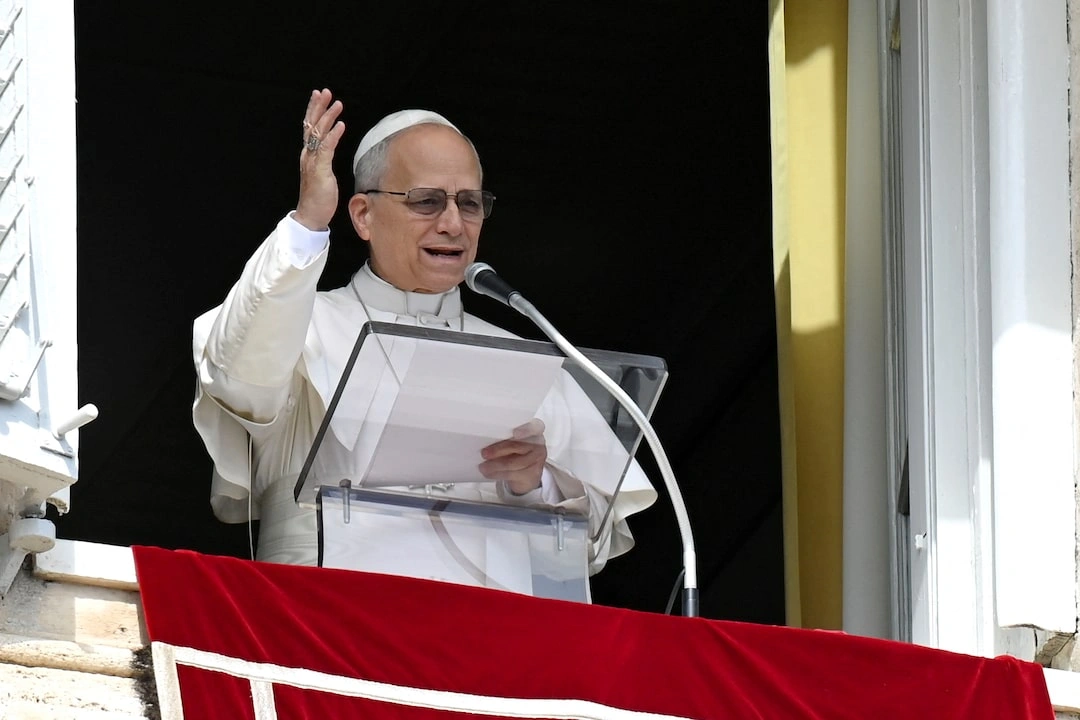
The transition following the election of Pope Leo XIV has initiated a period of careful adjustment within the Vatican’s institutional structure. While papal transitions are a familiar reality in Church history, each brings its own administrative and pastoral recalibration. This moment is less about dramatic shifts and more about continuity, coordination, and restoring confidence across Vatican offices tasked with supporting the universal mission of the Church.
In the early phase of this transition, attention has focused on how internal governance adapts to new leadership priorities. Vatican institutions operate within a complex framework that balances tradition with responsiveness. Pope Leo XIV’s approach so far suggests an emphasis on stability, measured evaluation, and respect for existing structures while quietly setting the tone for how authority and responsibility are exercised.
Administrative Continuity as a Stabilizing Force
One of the defining features of the current transition has been the emphasis on administrative continuity. Key Vatican departments continue their work without disruption, ensuring that diplomatic relations, doctrinal oversight, and pastoral coordination remain steady. This approach helps maintain confidence among bishops’ conferences and international partners who rely on consistent engagement from the Holy See.
Continuity also serves an internal purpose. Vatican officials and staff operate within long established procedures that require trust and clarity. By avoiding abrupt institutional changes, Pope Leo XIV allows time for assessment and dialogue. This reinforces the idea that effective governance depends on cooperation rather than immediate restructuring.
Reaffirming Institutional Roles and Responsibilities
A papal transition often brings renewed attention to how Vatican offices function and relate to one another. Early signals from the current transition indicate a reaffirmation of clearly defined roles and responsibilities. This clarity is essential in an environment where coordination across departments supports the Church’s global mission.
Clear institutional boundaries help reduce confusion and duplication of effort. By reinforcing established responsibilities, Vatican leadership ensures that decisions are made with accountability and transparency. This approach reflects a broader commitment to governance rooted in order and mutual respect rather than centralized impulse.
Leadership Style and Internal Culture
The leadership style of Pope Leo XIV is gradually influencing the internal culture of Vatican institutions. His emphasis on listening, discernment, and service is reflected in how meetings are conducted and priorities discussed. Rather than imposing directives, there appears to be an encouragement of consultation and thoughtful deliberation.
This cultural tone matters in an institution where collaboration shapes outcomes. A leadership style that values patience and moral responsibility can strengthen trust among officials. Over time, this may influence how policies are developed and communicated, both within the Vatican and to the wider Church.
Managing Expectations During Transition
Periods of papal transition naturally generate expectations about reform and change. Vatican leadership faces the challenge of managing these expectations while maintaining operational effectiveness. Pope Leo XIV’s measured approach signals that renewal is viewed as a process rather than an event.
By pacing institutional transition, the Vatican avoids the risk of instability that can arise from rapid shifts. This allows for thoughtful evaluation of what requires adjustment and what should remain unchanged. Such prudence supports long term effectiveness rather than short term symbolism.
Global Implications of Internal Governance
Vatican institutional transitions carry implications far beyond Rome. Decisions made within the Curia affect dioceses, diplomatic relations, and Catholic organizations worldwide. A stable and transparent transition reassures local churches that their concerns will continue to be addressed with consistency.
Pope Leo XIV’s approach underscores the interconnected nature of Vatican governance and global Catholic life. Internal coherence strengthens the Church’s ability to respond to pastoral needs, humanitarian challenges, and moral questions across diverse contexts.
Conclusion
The Vatican’s institutional transition following the papal change reflects a deliberate focus on stability, clarity, and moral responsibility. Under Pope Leo XIV, the emphasis on continuity and consultation suggests a leadership style committed to effective governance rather than abrupt transformation. As this transition unfolds, the Vatican’s careful approach positions its institutions to support the Church’s mission with confidence, coherence, and long term vision.