



New York Moves Toward Legalizing Assisted Dying
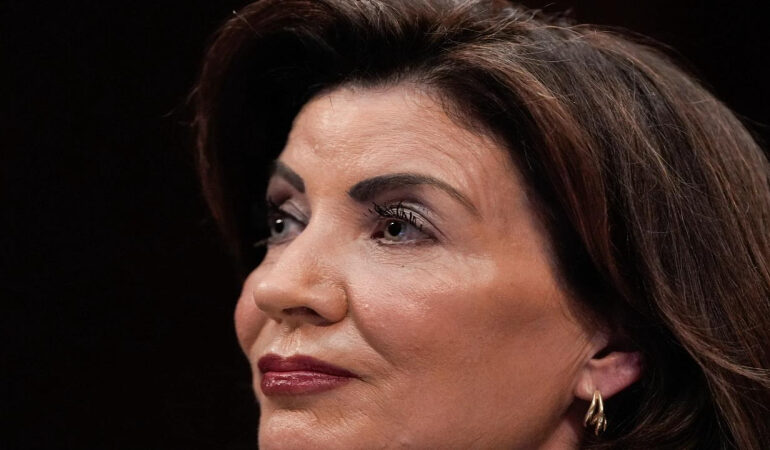

New York is preparing to legalize medically assisted suicide for terminally ill patients after Governor Kathy Hochul announced an agreement with state legislative leaders that includes what she described as strict safeguards. The measure, known as the Medical Aid in Dying Act, would allow adults diagnosed with a terminal illness and given six months or less to live to request life ending medication under carefully regulated conditions. Hochul said she plans to sign the bill next year after amendments are added, calling the decision one of the most difficult of her political career. She acknowledged hearing from families facing intense suffering while also weighing moral objections raised by faith communities that argue assisted dying violates the sanctity of human life. The law would take effect six months after being signed.
Under the proposal, patients would be required to submit a written request for the medication, witnessed by two individuals to confirm the absence of coercion. Approval would be needed from both an attending physician and a consulting physician, along with confirmation from a mental health professional that the patient is capable of making the decision freely. A mandatory waiting period would also apply, and the option would be limited to New York residents. Religious hospitals and affiliated outpatient facilities would be allowed to opt out. Supporters argue these provisions ensure autonomy while preventing abuse, framing the legislation as a compassionate response to end of life suffering rather than a replacement for palliative care.
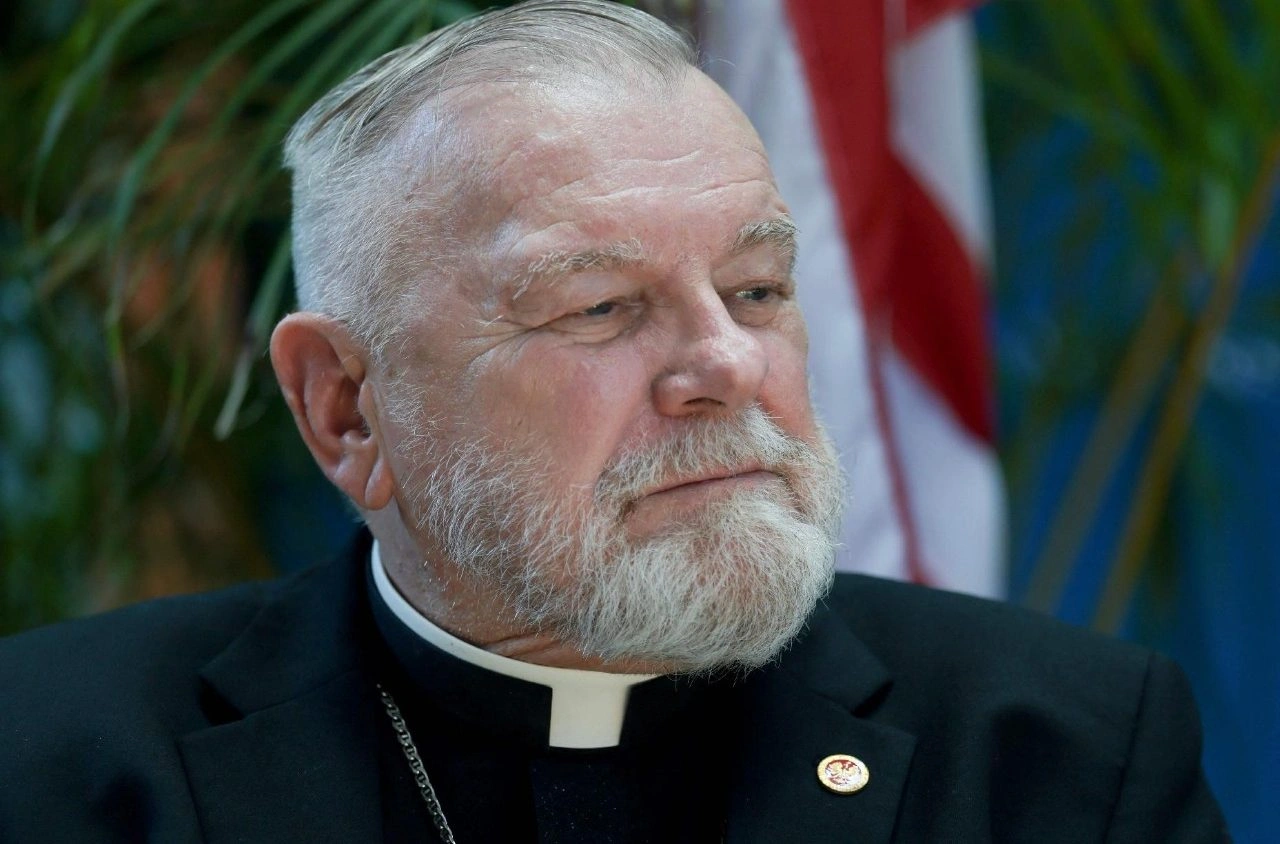
The announcement has renewed opposition from Catholic leaders in New York, who have long resisted the bill. The New York State Catholic Conference has argued that assisted suicide fundamentally changes the role of medicine and risks placing pressure on the elderly, disabled, and terminally ill. Following the governor’s statement, Cardinal Timothy Dolan and the state’s bishops warned that the policy signals a shift away from protecting society’s most vulnerable members. They said it sends a message that lives marked by illness or disability are less worthy of care and support. Church leaders reiterated their call for expanded access to hospice and palliative care as alternatives that respect life while addressing pain.
The debate places New York within a broader national trend, as several other states have adopted similar laws in recent years. For Catholic institutions and bishops, the issue represents a profound moral and ethical challenge at the intersection of law, medicine, and faith. As implementation approaches, religious leaders are expected to continue advocating publicly against the measure while seeking protections for conscience rights within healthcare settings. The legislation’s final form and its impact on patients, medical professionals, and faith based institutions will remain under close scrutiny in the months ahead.