Diplomacy, Doctrine, and Data: How the Vatican Is Modernizing Its Global Operations
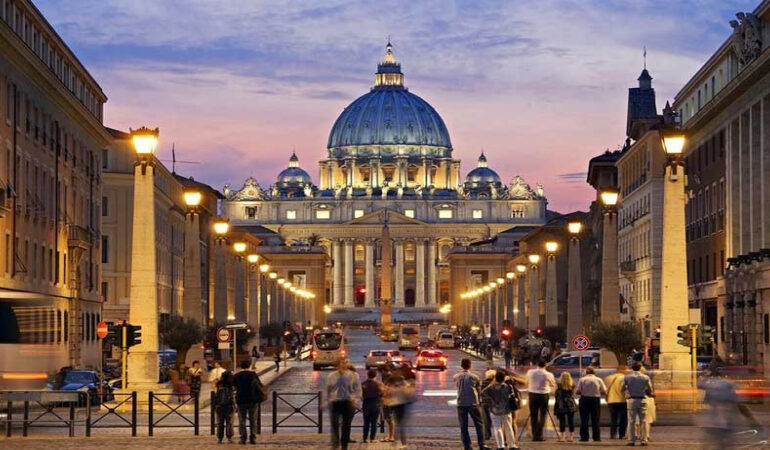

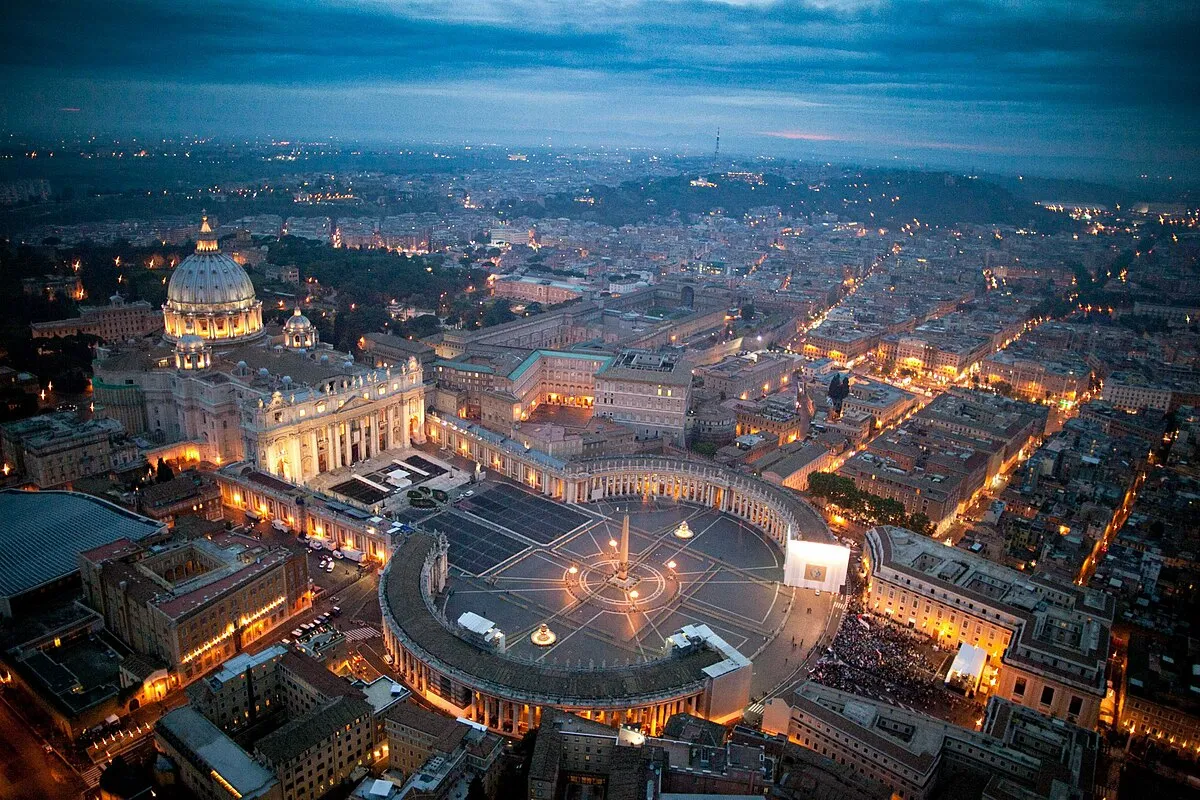
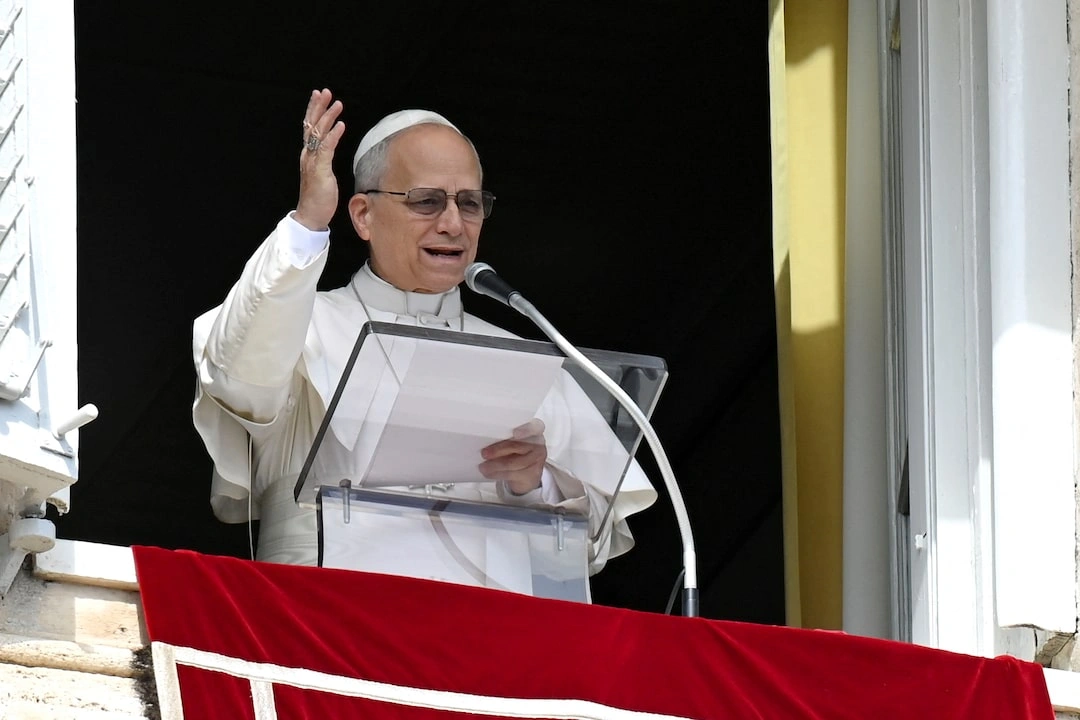
The Vatican’s global presence has always rested on diplomacy and doctrine, but in recent years a third element has grown quietly in importance: data. Under Pope Leo XIV, modernization is not being framed as a break with tradition, but as an effort to ensure that the Church’s global operations remain coherent, credible, and effective in a rapidly changing world. This shift reflects a recognition that spiritual authority today operates within complex informational and administrative environments.
Rather than pursuing technological novelty for its own sake, the Vatican’s modernization efforts focus on improving coordination, decision making, and global engagement. Diplomacy, doctrine, and data are increasingly treated as interconnected tools that support the Church’s mission. This integrated approach signals a Vatican intent on strengthening how it operates without diluting what it teaches.
Diplomacy Anchored in Institutional Coherence
Diplomacy remains one of the Vatican’s most visible global functions. Through its network of diplomatic missions, the Holy See engages governments, international organizations, and civil society across continents. Modernization efforts have focused on ensuring that this diplomatic engagement is supported by clearer internal coordination and reliable information flows.
By improving how diplomatic reporting is gathered and shared, the Vatican enhances its ability to respond consistently to global developments. This does not change the substance of its diplomatic positions, but it improves how those positions are formed and communicated. Coherent data supports coherent diplomacy.
Under Pope Leo XIV, there is a renewed emphasis on professionalism within diplomatic structures. Clear mandates and structured communication help ensure that the Vatican’s voice remains steady and credible, even in politically sensitive environments.
Doctrine Informed by Global Realities
Doctrine remains central to the Church’s identity, but its articulation increasingly takes place within a global context shaped by diverse social and legal conditions. Modernization efforts aim to ensure that doctrinal reflection is informed by accurate understanding of these realities, without compromising theological integrity.
Improved information gathering allows Vatican offices to better understand how teachings are received and challenged in different regions. This does not mean doctrine is adjusted to trends, but that pastoral guidance is offered with greater awareness. Such awareness strengthens unity by grounding teaching in lived experience.
By integrating reliable data into internal consultations, the Vatican can anticipate challenges and address them with clarity. This supports doctrinal consistency while enhancing pastoral sensitivity across cultures.
Data as a Governance Tool, Not an Ideology
The Vatican’s engagement with data is notably cautious and purpose driven. Data is treated as a governance tool rather than a value in itself. Its role is to support decision making, improve accountability, and enhance coordination across departments and regions.
Administrative modernization includes better record keeping, standardized reporting, and clearer documentation of decisions. These measures reduce ambiguity and support institutional memory. In a global organization with frequent leadership transitions, such continuity is essential.
By using data to inform rather than dictate decisions, the Vatican avoids technocratic excess. The goal is not automation of authority, but reinforcement of responsible leadership through accurate information.
Integrating Tradition With Operational Modernity
One of the defining challenges for the Vatican is integrating ancient tradition with modern operational demands. Modernization under Pope Leo XIV reflects an effort to meet this challenge without tension. Diplomatic practice, doctrinal clarity, and administrative data are aligned to serve the same mission.
This integration allows the Vatican to operate more effectively on the world stage while remaining anchored in its spiritual identity. Modern tools support, rather than replace, human judgment and pastoral responsibility.
The result is a model of modernization that is incremental and intentional. Change is introduced where it strengthens mission delivery, not where it merely signals innovation.
Global Impact Beyond Vatican Walls
Modernized global operations affect more than internal efficiency. Dioceses, religious orders, and Catholic organizations worldwide depend on clear guidance and reliable engagement from Rome. Improved coordination and information sharing strengthen these relationships.
For the global Church, this modernization enhances responsiveness to humanitarian crises, diplomatic challenges, and ethical debates. It allows the Vatican to act with greater clarity and unity, reinforcing its role as a moral and diplomatic actor.
These improvements may remain largely unseen by the public, but their impact shapes how effectively the Church operates in complex international environments.
Conclusion
The Vatican’s modernization of its global operations reflects a careful balance between diplomacy, doctrine, and data. Under Pope Leo XIV, this integration strengthens governance without compromising tradition. By using modern tools to support timeless responsibilities, the Vatican is positioning itself to engage the world with greater coherence, credibility, and confidence.