

Synodality Revisited: Is the Global Church Ready for Deeper Shared Discernment?
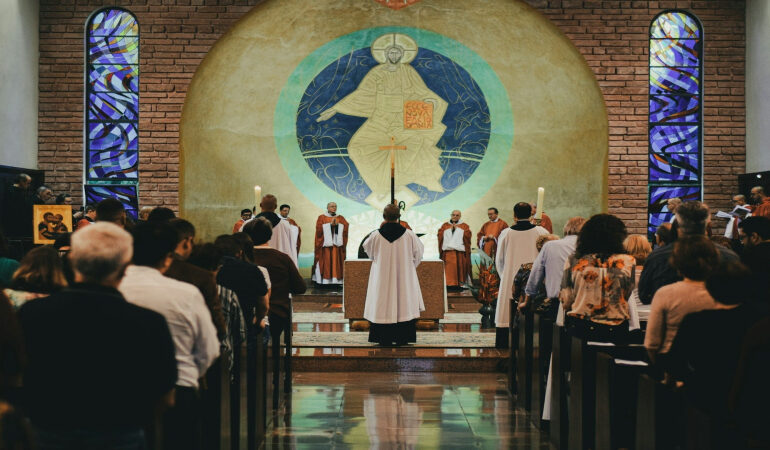

Synodality has emerged as one of the most discussed concepts in the contemporary life of the Catholic Church. At its core, synodality refers to walking together through shared listening, dialogue, and discernment. As the global Church reflects on this approach, many Catholics are asking whether the structures, culture, and expectations of Church life are prepared for deeper forms of shared discernment.
This question arises at a time when the Church faces complex pastoral realities across diverse cultures. Calls for participation and listening have grown louder, yet concerns remain about clarity, authority, and unity. Revisiting synodality today requires careful reflection on how shared discernment can strengthen the Church without undermining its theological foundations.
Synodality as a Way of Being Church
Synodality is not simply a process or a series of meetings. It represents a vision of the Church rooted in communion, participation, and mission. This vision emphasizes listening to the Holy Spirit through the voices of the faithful while remaining grounded in apostolic teaching.
For many Catholics, synodality offers a way to bridge gaps between leadership and local communities. It encourages dialogue that takes lived experience seriously without elevating opinion above doctrine. When practiced well, synodality deepens trust and fosters a sense of shared responsibility for the Church’s mission.
However, embracing synodality as a way of being Church requires more than procedural change. It calls for a cultural shift toward humility, patience, and genuine listening at every level of ecclesial life.
Shared Discernment and Ecclesial Authority
One of the central tensions in discussions of synodality involves the relationship between shared discernment and ecclesial authority. The Catholic Church teaches that authority is rooted in apostolic succession and exercised in service to truth. Synodality does not replace this authority, but invites it to be exercised through consultation and dialogue.
Questions arise when expectations of participation are not clearly defined. Without clarity, synodality can be misunderstood as democratic decision making rather than spiritual discernment. This misunderstanding risks creating frustration when consultation does not lead to immediate structural change.
For synodality to function authentically, roles and responsibilities must be clearly articulated. Shared discernment enriches decision making when it respects both the listening Church and the teaching Church as complementary, not competing, realities.
Cultural Readiness Across the Global Church
The global Church encompasses a vast range of cultural contexts, each with different expectations about authority, dialogue, and community life. This diversity raises important questions about readiness for deeper synodal practice. What feels natural in one context may feel unfamiliar or even disruptive in another.
In some regions, strong communal traditions support synodal engagement. In others, historical experiences shape caution toward open consultation. These differences highlight the need for flexibility in how synodality is implemented without diluting its core principles.
Readiness, therefore, is uneven. The challenge lies in fostering shared discernment that respects cultural realities while nurturing a common ecclesial identity. This requires formation, patience, and realistic expectations.
Formation as the Key to Authentic Synodality
Formation plays a decisive role in determining whether synodality deepens faith or generates confusion. Without theological and spiritual formation, participation risks becoming opinion driven rather than prayerful. Shared discernment depends on participants who understand the Church’s teaching and are open to guidance beyond personal preference.
Clergy and laity alike require formation in listening, dialogue, and discernment. This formation helps distinguish between consultation and authority, and between dialogue and doctrine. When formation is strong, synodality becomes a tool for unity rather than division.
Investing in formation also clarifies purpose. Synodality is not an end in itself, but a means of serving the Church’s mission. This clarity helps align expectations with reality.
Synodality and the Future of Unity
At its best, synodality strengthens unity by fostering mutual understanding and shared commitment. By creating spaces for listening, the Church can address tensions before they harden into division. Shared discernment helps build trust across different levels of Church life.
At the same time, unity depends on theological clarity. Synodality must operate within the framework of shared belief to avoid fragmentation. When listening is anchored in doctrine, it becomes a source of renewal rather than uncertainty.
The future of synodality will depend on how well the Church integrates participation with authority, diversity with unity, and dialogue with teaching.
Conclusion
Revisiting synodality invites the global Church to reflect on how it listens, discerns, and decides together. Deeper shared discernment offers opportunities for renewal, but only when grounded in formation, clarity, and communion. The readiness of the Church will be measured not by the number of conversations held, but by the depth of faith and unity those conversations sustain.