

A Papal Transition for the Digital Age: How 2025 Will Be Remembered


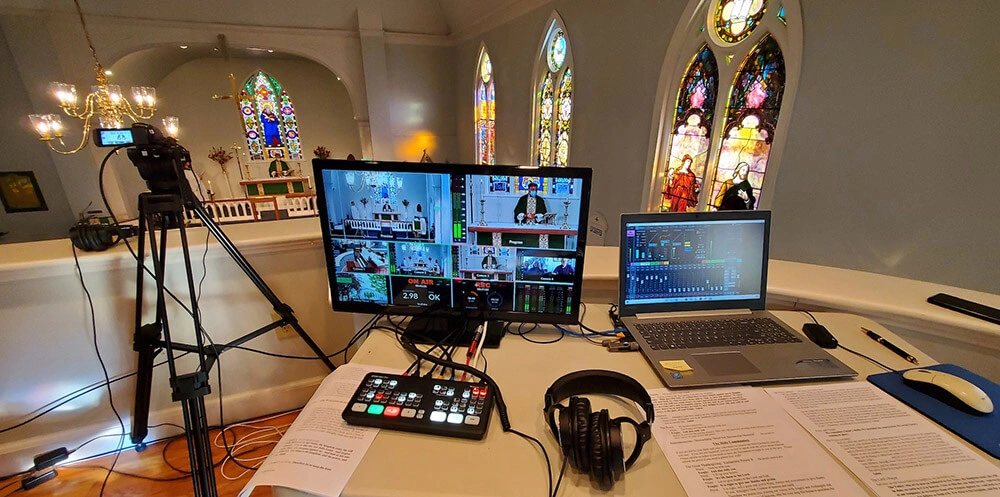
The papal transition of 2025 will be remembered not only for the election of Pope Leo XIV, but for how the moment unfolded within a fully digital global environment. Never before has a change in Church leadership been experienced simultaneously by billions through live streams, instant commentary, and continuous analysis. This transition reflected a Church rooted in ancient ritual while operating within modern systems of communication.
For Catholics worldwide, the transition felt immediate and personal. From the announcement of the new pope to his first public appearances, the digital age shaped perception, expectation, and response. The events of 2025 highlighted how the Church now navigates leadership change in a world defined by speed, visibility, and constant engagement.
A Transition Witnessed in Real Time
One defining feature of the 2025 papal transition was its real time visibility. Digital platforms allowed Catholics and observers alike to follow developments as they happened. Moments that once unfolded slowly through print and broadcast media now reached global audiences within seconds.
This immediacy altered the emotional experience of the transition. The faithful were no longer distant observers but active participants, sharing reactions and reflections instantly. While this created a sense of closeness, it also amplified speculation and expectation, placing pressure on the early moments of the new papacy.
The Church’s ability to manage this visibility became part of the transition itself. Careful communication and measured messaging helped maintain focus on the spiritual significance of the moment amid the noise of constant commentary.
Tradition Held Within Digital Space
Despite technological change, the core rituals of the papal transition remained unchanged. The conclave, the announcement, and the first blessing followed centuries old tradition. What differed was the setting in which these rituals were received.
Digital platforms became extensions of St Peter’s Square, allowing participation beyond physical presence. This fusion of tradition and technology illustrated the Church’s capacity to preserve meaning while adapting delivery. The sacred was not diminished by digital transmission, but expanded in reach.
This balance demonstrated that tradition and modernity need not be in tension. Instead, they can coexist when technology serves reverence rather than spectacle.
The Early Papacy Under Constant Observation
The digital age also shaped how Pope Leo XIV’s early actions were interpreted. Every gesture, appointment, and word was analyzed in real time across platforms. This environment left little space for gradual interpretation or quiet adjustment.
Such scrutiny accelerated the formation of public narratives. While this created challenges, it also underscored the importance of clarity and restraint. The pope’s measured approach helped stabilize expectations, offering a counterpoint to the rapid pace of digital discourse.
The experience revealed how modern papacies must balance spiritual leadership with awareness of digital perception. Authority is no longer shaped only by formal teaching, but by how leadership is communicated and received instantly.
Memory Formation in a Digital Era
How 2025 will be remembered is already being shaped by digital archives, recordings, and commentary. Unlike past transitions remembered through selective documentation, this moment is preserved in exhaustive detail. Memory is no longer curated solely by historians, but by algorithms and platforms.
This abundance of material presents both opportunity and challenge. Future reflection will benefit from rich documentation, but interpretation will require discernment. The Church’s story risks being fragmented unless guided by thoughtful historical framing.
The digital record ensures that this transition will remain accessible, but meaning will depend on how it is contextualized within the Church’s longer narrative.
A Turning Point for Church Communication
The 2025 transition also marked a turning point in how the Church approaches communication. The need for coherence, accuracy, and pastoral tone became unmistakable. In a digital environment, silence and ambiguity are quickly filled by speculation.
This realization is likely to shape future transitions and leadership communication. The Church’s engagement with digital platforms is no longer optional, but integral to its mission. The challenge will be to maintain depth and reverence amid constant exposure.
How the Church meets this challenge will influence how future generations experience moments of leadership change.
Conclusion
The papal transition of 2025 stands as a defining moment in Church history shaped by the digital age. It revealed how ancient tradition can unfold within modern communication without losing meaning. As history looks back, this transition will be remembered as a moment when continuity met immediacy, and the Church demonstrated its ability to lead faithfully in a connected world.