Pasolini Calls Church to Become a Place of Encounter
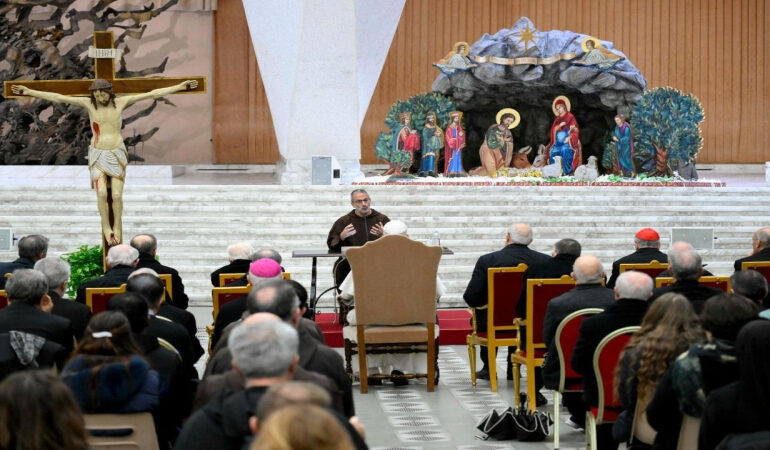

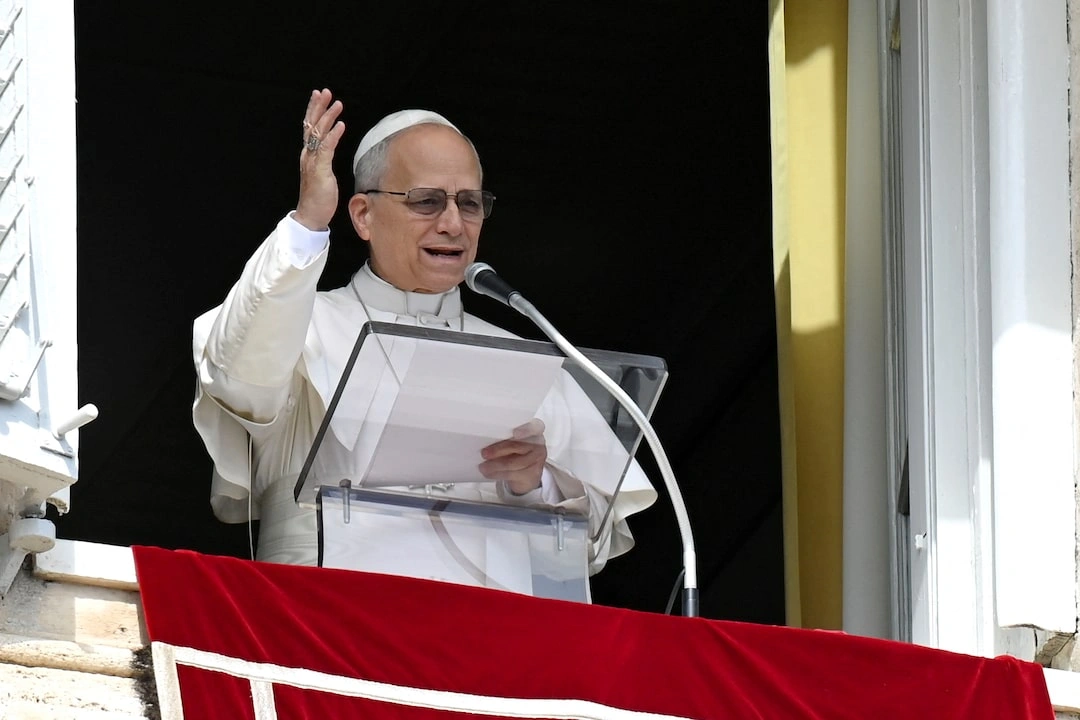
Father Roberto Pasolini urged the Church to rediscover encounter as a central dimension of its mission during the third Advent meditation delivered in the Paul VI Hall in the presence of Pope Leo XIV and the Roman Curia. Reflecting on the universality of salvation, the Preacher of the Papal Household framed Christmas and the Jubilee as an invitation to recognize Christ as a light meant to be welcomed and shared rather than controlled or defended. He described Christ as a light capable of illuminating the full complexity of human experience without erasing questions or struggles, instead purifying and orienting them toward deeper meaning. Pasolini stressed that resistance to this light often comes not from moral failure but from reluctance to live truthfully. Welcoming the Incarnation, he said, does not require perfection but the courage to stop hiding and accept being seen as one truly is, emphasizing that God values truth over appearances.
Applying this reflection to the life of the Church, Pasolini argued that credibility today does not rest on projecting moral flawlessness or institutional certainty. Instead, the world expects a community willing to live openly in the light of Christ while acknowledging its fragility and limitations. Drawing on the example of the Magi, he noted that distance and movement can sharpen spiritual perception, while excessive familiarity with structures and responsibilities can narrow vision. He warned that those immersed in ecclesial life risk missing new signs of God’s presence if routine replaces attentiveness. The journey of the Magi illustrated a readiness to move forward guided by incomplete understanding rather than established certainties. For the Church, Pasolini said, truth often demands commitment before clarity, and fidelity may require following fragile signs that invite trust rather than control.
Pasolini contrasted the Magi’s openness with the attitude of remaining still, embodied by figures who accumulate knowledge without personal involvement. He cautioned that doctrine, tradition, and liturgy can be preserved with care while interior movement quietly fades. True encounter, he said, begins with the decision to rise and leave places of security, accepting uncertainty and fatigue as part of faith. Yet movement alone is insufficient without humility, symbolized by the Magi who kneel in adoration upon arrival. This rhythm of standing and kneeling, he explained, defines authentic service and authentic listening. Extending this vision to the Church’s mission, Pasolini said salvation becomes truly universal when the Church dares to go outward while also lowering its gaze, recognizing that God’s light can emerge in unexpected lives and situations beyond ecclesial control.