Vatican Altar Honors Homeless Man Portrayed as Saint Peter
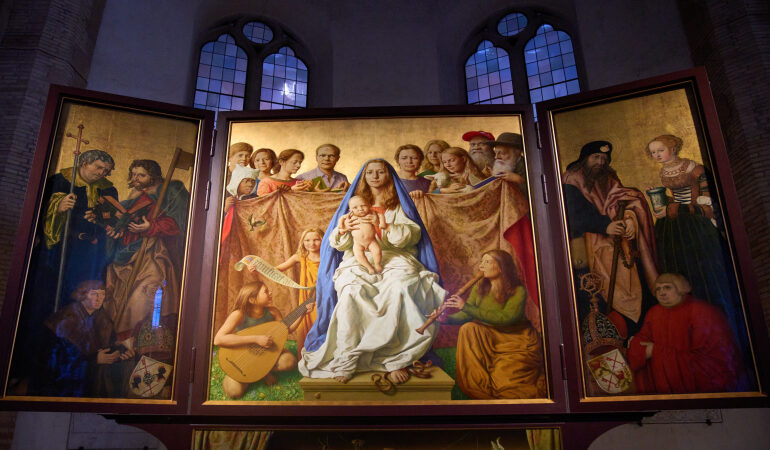

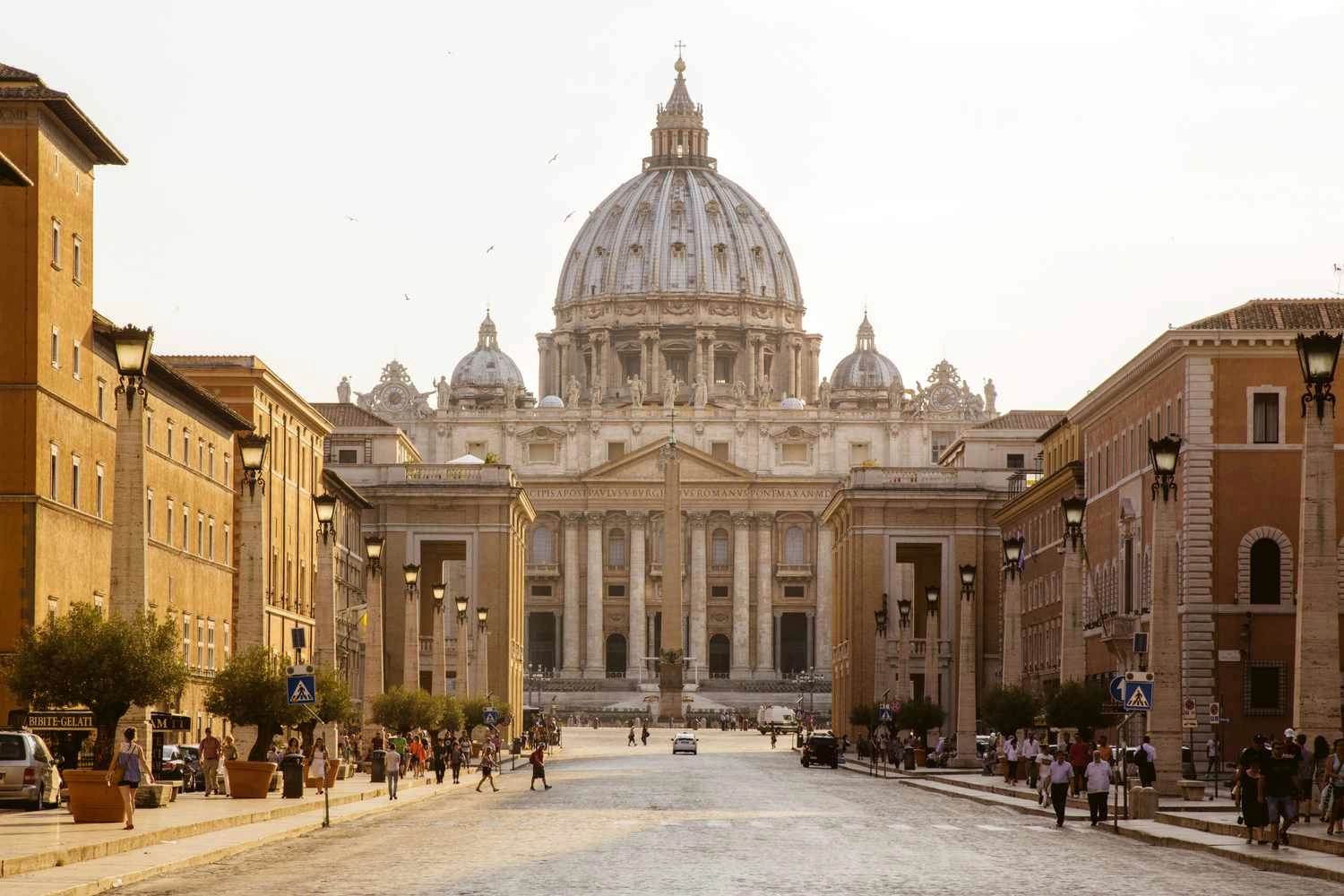
An altar artwork depicting Saint Peter with the likeness of a homeless man who died near St Peter’s Square has gone on display inside the Vatican, bringing together art, memory, and the Church’s ongoing reflection on poverty. The triptych by German artist Michael Triegel is now exhibited in the chapel of the Teutonic College, only steps away from the grave of Burkhard Scheffler, a homeless German man who died from the cold in 2022 under the colonnade of St Peter’s Basilica. Triegel had encountered Scheffler years earlier in Rome and later used his image as the model for Saint Peter while completing an altar commissioned for a cathedral in Germany. The work presents biblical figures with contemporary human features, emphasizing vulnerability rather than idealized sanctity. Its presence at the Vatican has drawn attention not only for its artistic value but for the story it tells about dignity, visibility, and remembrance.
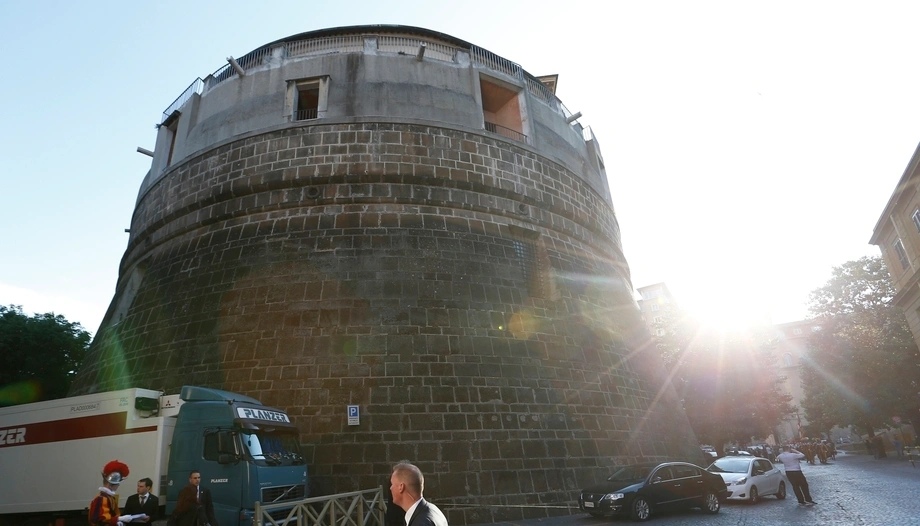
Scheffler’s death became a point of reflection for the Church during the pontificate of Pope Francis, who repeatedly spoke of the homeless man in public prayers and homilies. Francis highlighted his death as emblematic of those who live unseen and unprotected, especially during winter months. At the Pope’s request, Scheffler was buried in the Teutonic Cemetery within Vatican grounds, a rare gesture that placed a man without status alongside clergy and pilgrims. The arrival of the altar near his grave adds a further layer of meaning, linking liturgical space with lived social reality. Vatican officials connected to the Teutonic College described the recognition of Scheffler’s face in the painting as a moment of deep significance, transforming an anonymous life into a remembered one and reinforcing the Church’s call to see Christ in those living on the margins.
The altar is on temporary loan following debate in Germany over its placement and heritage implications, a process that ultimately led to its relocation to Rome. For observers, the coincidence of the artwork’s journey and Scheffler’s burial has become part of its message. The painting situates Saint Peter not as a distant historical figure but as someone drawn from the present world, shaped by hardship and exposure. Displayed near the tomb of the man who inspired it, the altar invites reflection on how sacred art, social responsibility, and pastoral concern intersect. Within the Vatican setting, the work has been interpreted as a quiet but pointed reminder that questions of poverty and exclusion are not abstract issues but human realities embedded even at the heart of the Church.