

Behind Closed Doors: How Internal Vatican Culture Is Quietly Changing


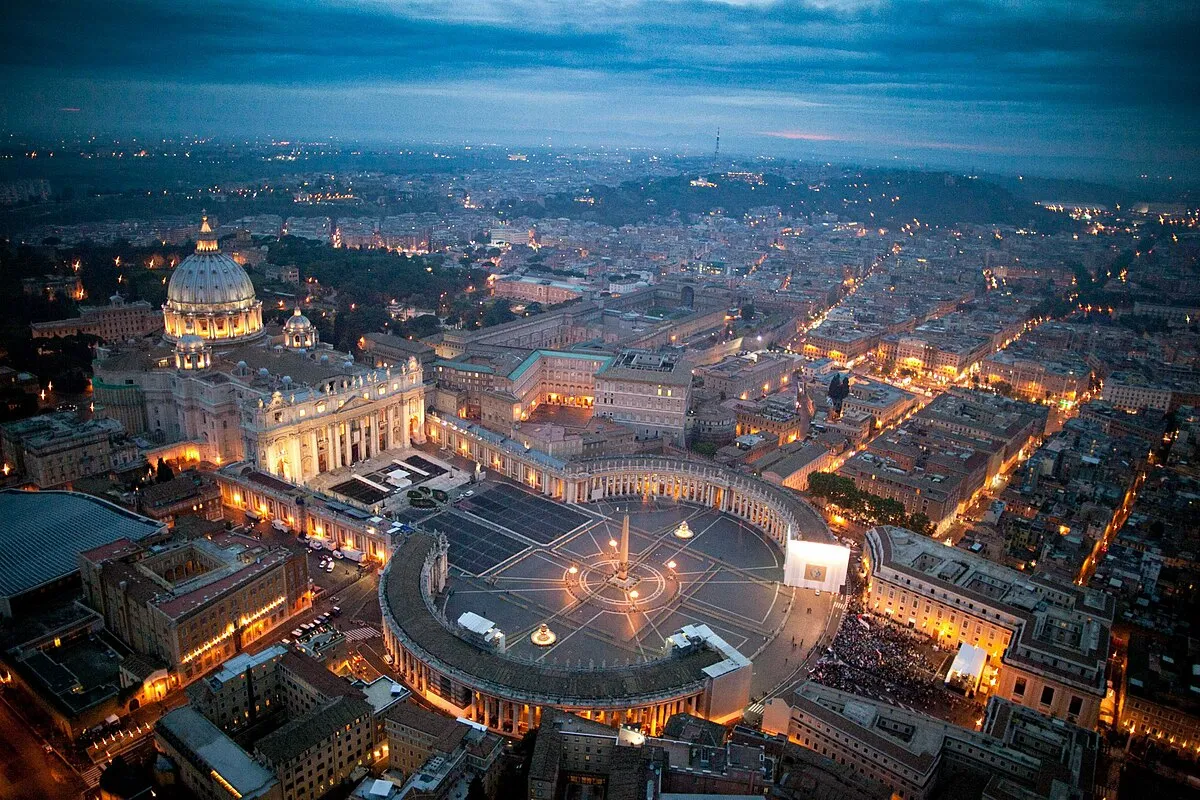
Much of what shapes the Catholic Church never appears in public statements or official documents. It unfolds behind closed doors, within offices, meetings, and daily routines inside the Vatican. Since the transition to Pope Leo XIV, subtle but meaningful changes in internal culture have begun to take shape, reflecting a different approach to leadership and institutional life.
These changes are not revolutionary, nor are they announced as reforms. Instead, they are cultural adjustments that affect how decisions are discussed, how authority is exercised, and how responsibility is shared. Understanding these internal shifts helps explain the evolving character of Vatican governance under the new papacy.
A Culture Moving From Urgency to Deliberation
One of the most noticeable internal changes is a move away from urgency-driven decision making. Under Pope Leo XIV, Vatican culture appears more deliberate and measured. Meetings emphasize preparation, consultation, and follow-through rather than rapid response.
This slower pace does not indicate inactivity. Instead, it reflects a belief that durable decisions require time and clarity. By reducing pressure for immediate outcomes, the internal environment allows for more thoughtful discussion and fewer reactive judgments. Deliberation is becoming a defining feature of how the Vatican operates.
Clearer Boundaries and Defined Responsibilities
Another shift within Vatican culture involves clearer boundaries between offices and roles. Departments are increasingly encouraged to operate within their specific mandates, reducing overlap and informal intervention. This change strengthens accountability and minimizes confusion.
Clear responsibilities foster professionalism. When authority is defined, staff and leaders can act with greater confidence. This cultural adjustment supports smoother collaboration and helps restore trust in institutional processes that depend on consistency and respect for structure.
Leadership Through Expectation Rather Than Intervention
Pope Leo XIV’s leadership style has influenced internal culture by setting expectations rather than relying on constant intervention. Vatican officials are given clearer guidance and are expected to carry out responsibilities without frequent correction.
This approach promotes ownership and maturity within the institution. When leaders trust systems and people, culture shifts from dependency to responsibility. Over time, this can strengthen morale and reinforce a sense of shared mission rather than hierarchical distance.
A Quieter Professionalism in Daily Operations
Daily life inside the Vatican has also taken on a more professional tone. Public profile and personal visibility appear less emphasized internally, while competence and discretion carry greater weight. This shift aligns with the pope’s preference for governance over publicity.
Quieter professionalism reduces internal competition for influence. It allows work to be evaluated by effectiveness rather than exposure. Such an environment supports long-term stability and encourages collaboration over individual prominence.
Cultural Alignment With Global Church Needs
Internal cultural changes are also shaped by awareness of the Church’s global realities. Vatican leadership increasingly recognizes the need for sensitivity to diverse pastoral, legal, and cultural contexts. This awareness influences internal discussions and planning.
By aligning internal culture with global responsibility, the Vatican strengthens its ability to serve the universal Church. Decisions are framed with broader consequences in mind, reinforcing a culture that values perspective and restraint over narrow focus.
Conclusion
Behind closed doors, the Vatican’s internal culture is quietly shifting toward deliberation, clarity, and professional discipline. Under Pope Leo XIV, these changes are reshaping how authority is exercised and how responsibility is shared. While largely invisible to the public, this cultural evolution is laying the groundwork for steadier governance and a more coherent institutional life at the heart of the Catholic Church.