
Faith, Conscience, and Authority in Today’s Catholic Imagination

The relationship between faith, conscience, and authority has always shaped Catholic life, but in recent years it has taken on renewed significance. Cultural pluralism, rapid social change, and skepticism toward institutions have influenced how Catholics understand moral responsibility and obedience. These forces have reshaped what might be called the Catholic imagination, the way believers interpret their faith in daily life.
Rather than dissolving this relationship, the Church continues to present faith, conscience, and authority as interconnected realities. Each plays a distinct role, yet none functions in isolation. Understanding how these elements relate today helps explain both the tensions and the enduring coherence within Catholic moral life.
Faith as the Foundation of Moral Vision
Faith remains the starting point of the Catholic moral framework. It is not merely personal belief, but a shared vision rooted in Scripture, tradition, and communal worship. Faith shapes how Catholics understand truth, dignity, and responsibility before moral decisions are even considered.
In today’s context, faith provides orientation amid competing narratives. While society often frames morality as subjective preference, Catholic faith proposes that moral truth is discoverable and meaningful. This foundation gives structure to conscience and grounds authority in something deeper than institutional power.
Conscience as an Act of Moral Responsibility
Catholic teaching understands conscience not as personal preference, but as the interior capacity to recognize moral truth and apply it responsibly. Conscience is formed, not invented. It develops through education, reflection, prayer, and engagement with moral teaching.
In contemporary Catholic imagination, conscience is sometimes misunderstood as independence from authority. In reality, the Church teaches that conscience and authority are complementary. A well formed conscience listens seriously to moral guidance while remaining personally accountable for choices. This balance preserves freedom without abandoning truth.
Authority as Service Rather Than Control
Authority within the Church is often viewed through a cultural lens shaped by suspicion of institutions. Catholic tradition, however, understands authority as service ordered toward truth and unity. Teaching authority exists to preserve coherence, not to replace moral agency.
In today’s Church, authority is exercised most credibly when it explains rather than commands. This approach reflects a deeper understanding of how moral teaching is received. Authority supports conscience by offering guidance that is rooted in tradition and reason, not coercion.
Tension Without Breakdown
The interaction between faith, conscience, and authority inevitably produces tension. Moral questions rarely present themselves in simple terms, especially in complex social contexts. The presence of tension does not indicate failure, but engagement.
Within Catholic life, tension can be productive when it leads to deeper understanding. Faith anchors moral reflection, conscience applies it personally, and authority offers interpretive guidance. When these elements remain connected, tension strengthens rather than fragments the moral framework.
Formation in a Fragmented Culture
One of the greatest challenges today is formation. Catholics encounter countless moral voices daily, many of which contradict Church teaching. Formation helps believers navigate this environment without confusion or withdrawal.
The Church emphasizes formation because it integrates faith, conscience, and authority over time. Rather than offering instant answers, formation cultivates moral maturity. This process allows Catholics to engage modern life thoughtfully while remaining rooted in their faith tradition.
Authority and Trust in the Modern Church
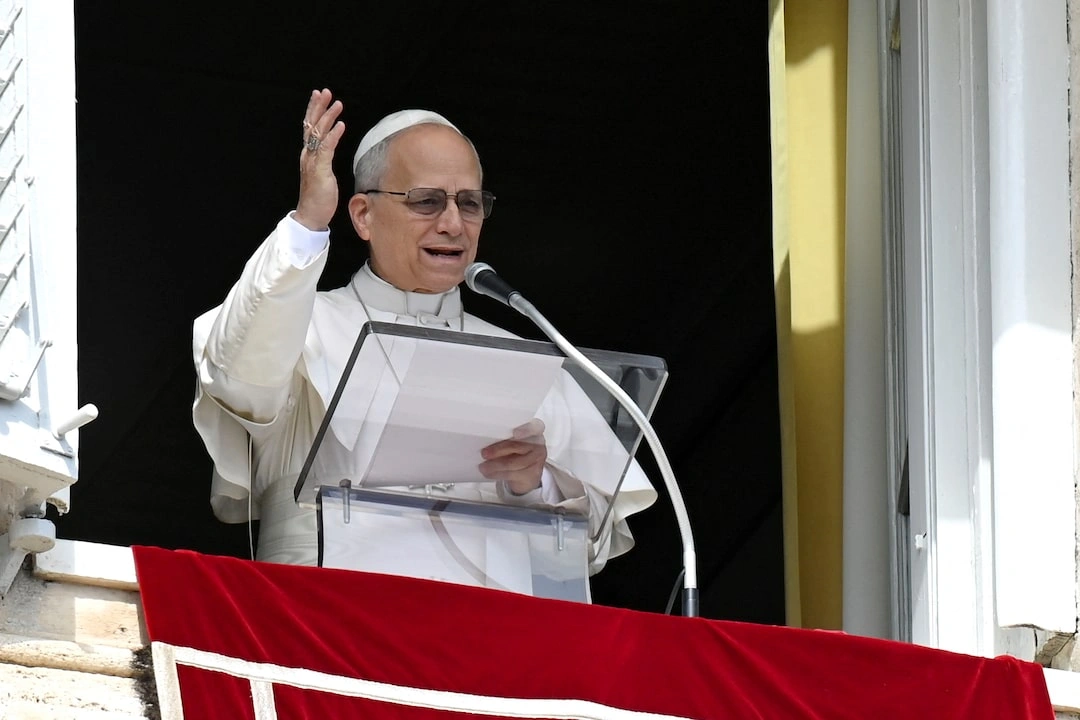
Trust plays a crucial role in how authority is perceived. When authority is consistent, transparent, and grounded in service, trust grows. Pope Leo XIV’s emphasis on restraint and clarity has reinforced this understanding within the Church.
Authority that respects conscience and appeals to reason strengthens the Catholic imagination. It invites participation rather than compliance. In this way, authority becomes a guide that supports moral discernment rather than an obstacle to it.
A Unified Moral Vision
Despite cultural pressures, the Catholic moral vision remains unified. Faith offers meaning, conscience enables responsibility, and authority provides coherence. Together, they form a moral ecosystem capable of enduring change.
This unity does not eliminate debate or questioning. Instead, it provides a framework within which honest moral reflection can occur. The Catholic imagination thrives not by simplifying complexity, but by engaging it with depth and humility.
Conclusion
Faith, conscience, and authority continue to shape Catholic moral life in a world marked by fragmentation and uncertainty. Rather than standing in opposition, these elements work together to guide believers toward responsible freedom and moral clarity. In today’s Catholic imagination, their enduring relationship remains essential for living faith with integrity, discernment, and trust.