What Catholics Actually Expect From the Vatican in 2026
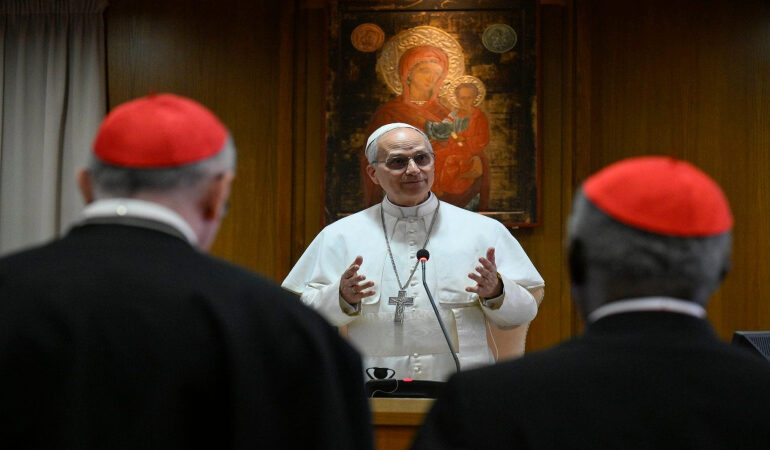

As the Church approaches 2026, expectations toward the Vatican are being shaped less by ideology and more by lived experience. Catholics across regions are navigating cultural uncertainty, institutional fatigue, and rapid social change. In this context, expectations are often quieter and more practical than public debate might suggest.
Rather than calling for dramatic transformation, many Catholics are expressing a desire for clarity, stability, and credibility. The Vatican is not expected to solve every social problem, but to govern coherently and speak with moral consistency. These expectations reflect a shift toward realism shaped by recent transitions and global pressures.
Clarity Over Constant Commentary
One of the strongest expectations is clarity. Many Catholics want the Vatican to speak less often but more precisely. Frequent commentary can create confusion when messages appear fragmented or overly reactive.
Clarity is valued because it supports trust. Catholics want guidance that is understandable and consistent rather than expansive and ambiguous. Clear teaching helps believers navigate moral complexity without feeling overwhelmed by constant interpretation.
Stability in Governance and Direction
Stability ranks high among expectations. After years marked by transition and uncertainty, many Catholics look to the Vatican for steady leadership. This does not imply resistance to development, but a desire for predictability in how decisions are made.
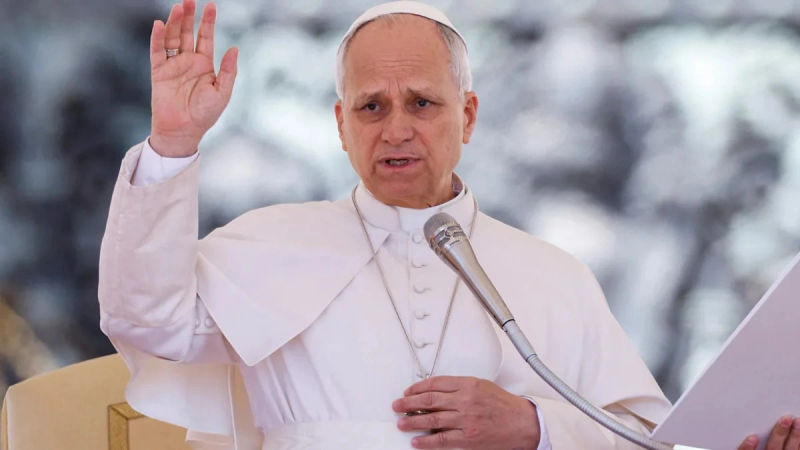
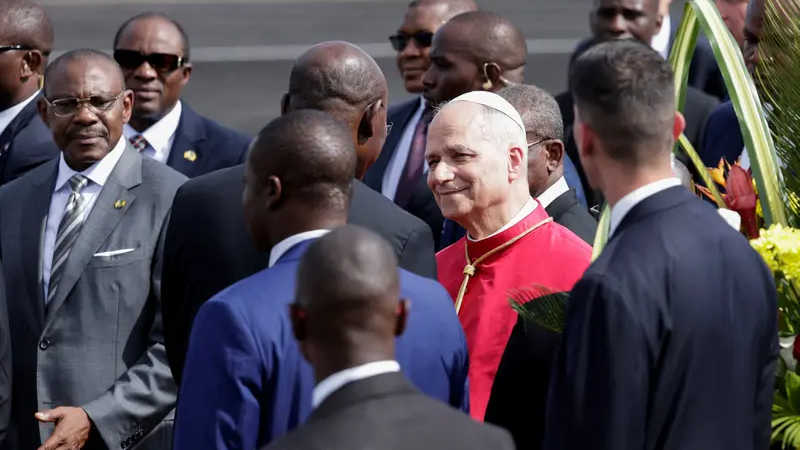
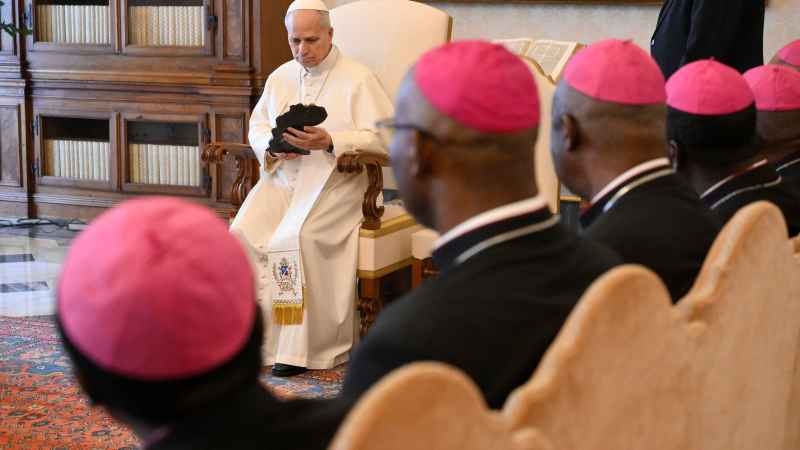
Under Pope Leo XIV, this expectation aligns with a governing style that emphasizes order and discipline. Catholics want assurance that leadership is grounded, deliberate, and focused on long term coherence rather than short term response.
A Vatican That Listens Without Losing Authority
Listening has become an important expectation, particularly among younger Catholics. Many want the Vatican to acknowledge lived realities and cultural diversity. At the same time, there is little appetite for authority that dissolves into indecision.
The expectation is not for the Vatican to mirror public opinion, but to engage it thoughtfully. Catholics generally value leadership that listens carefully while remaining anchored in moral teaching. Balance between openness and authority is seen as essential.
Consistency in Moral Teaching
Consistency in moral teaching remains a central expectation. Catholics often express frustration not with doctrine itself, but with how it is communicated or applied unevenly. Clear continuity reassures believers that moral guidance is not subject to shifting trends.
Consistency supports formation. When teaching remains stable, Catholics can engage questions with confidence rather than uncertainty. This expectation reflects a desire for moral grounding amid cultural volatility.
Global Awareness Without Cultural Imposition
As Catholicism continues to grow globally, expectations toward the Vatican include sensitivity to regional realities. Catholics want leadership that understands diversity without imposing uniform solutions.
This does not mean relativism. Rather, it reflects an expectation that global governance will respect context while maintaining unity. Catholics increasingly see the Vatican as a coordinator of communion rather than a cultural center imposing norms.
Less Symbolism, More Substance
Many Catholics express fatigue with symbolic gestures that are not followed by sustained governance. Expectations in 2026 lean toward substance over signal.
This includes effective administration, clear processes, and accountability. Catholics want to see decisions implemented carefully rather than announced dramatically. Substance builds confidence more reliably than visibility.
Trust Built Through Restraint
Restraint itself has become an expectation. In a world saturated with opinion, Catholics often appreciate leadership that resists constant reaction. Silence, when intentional, is seen as a sign of confidence rather than absence.
A restrained Vatican presence suggests discernment. Catholics expect leadership that chooses moments carefully and speaks with purpose. This measured approach aligns with broader desires for seriousness and credibility.
Conclusion
What Catholics actually expect from the Vatican in 2026 is less dramatic than public discourse often assumes. Clarity, stability, consistency, and thoughtful engagement rank higher than sweeping change. Under Pope Leo XIV, these expectations reflect a Church seeking grounded leadership rather than constant reinvention, valuing credibility built through coherence, restraint, and faithful governance in a complex global environment.