

Trust, Authority, and the Modern Church: Reading the Latest Signals


Trust and authority have become defining questions for the modern Church. Across regions, Catholics are reassessing how they relate to institutions, leaders, and moral teaching. This reassessment is not driven by a single event, but by long term social change, cultural skepticism, and evolving expectations of leadership. Reading the latest signals requires attention not only to opinion, but to patterns of response and engagement.
What emerges is a picture more nuanced than crisis narratives suggest. Trust has not disappeared, but it has changed shape. Authority is still recognized, though it is expected to function differently than in the past. These shifts reveal how Catholics today understand leadership, credibility, and responsibility within the Church.
Trust as Consistency Rather Than Popularity
One of the clearest signals is that trust is increasingly linked to consistency. Catholics tend to trust leadership that is steady, predictable, and coherent over time. Sudden changes in tone or direction often generate uncertainty rather than confidence.
This preference reflects broader cultural fatigue with volatility. In a world of rapid shifts, consistency signals seriousness. For the Church, trust grows when teaching and governance align over time, even when decisions are challenging. Popularity matters less than reliability.
Authority Grounded in Service and Clarity
Modern Catholics often interpret authority through the lens of service rather than command. Authority is respected when it is exercised transparently and with clear purpose. Ambiguity weakens authority more than firmness does.
Clarity plays a central role here. When leadership explains decisions carefully and avoids unnecessary complexity, authority feels accessible rather than distant. This reinforces the idea that authority exists to guide and support, not to dominate moral life.
Listening as a Measure of Credibility
Listening has become a visible signal of credibility. Catholics want leadership that acknowledges lived experience and cultural diversity. This does not imply that authority should simply echo opinion, but that it should understand context.
When leaders listen attentively, trust increases even if disagreement remains. Listening communicates respect and seriousness. It reassures believers that governance is informed rather than insulated, strengthening confidence in decision making.
Authority Without Constant Intervention
Another signal shaping perception is restraint. Authority exercised through constant intervention can feel unstable. Many Catholics interpret restraint as confidence in institutions and processes.
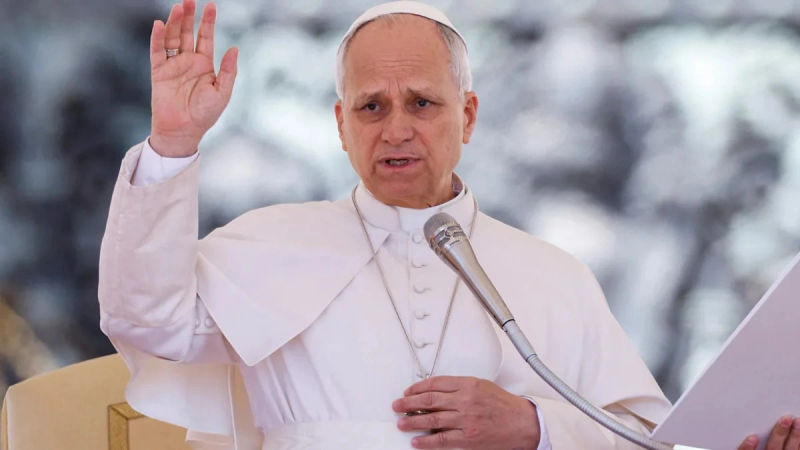
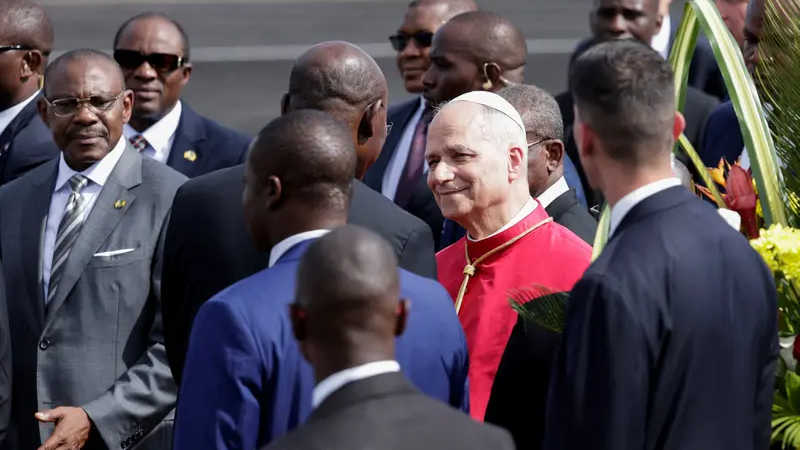
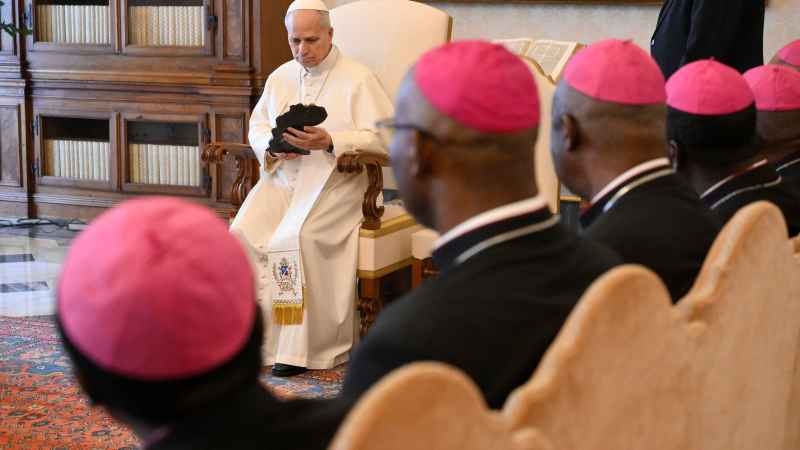
Under Pope Leo XIV, a more measured public presence has reinforced this perception. Authority that does not seek constant visibility appears grounded. This restraint allows decisions to speak for themselves, reinforcing trust through action rather than commentary.
The Impact of Global Diversity on Trust
The global character of the Church also influences how trust and authority are understood. Catholics in different regions experience leadership through distinct cultural lenses. Expectations vary, but coherence remains essential.
Signals that respect regional realities while maintaining unity tend to strengthen trust. When authority is perceived as attentive to global diversity without fragmentation, it gains legitimacy across cultural boundaries.
The Role of Governance in Rebuilding Confidence
Governance itself has become a signal. Effective administration, accountability, and clear process contribute to trust more than symbolic gestures. Catholics increasingly evaluate authority based on how well the Church governs its responsibilities.
Where governance appears disciplined and fair, confidence grows. Trust is reinforced when structures function predictably and decisions are implemented responsibly. Authority is validated through competence as much as teaching.
Trust as a Long Term Relationship
Trust in the Church is not transactional. It develops over time through repeated experience of consistency, care, and integrity. Modern Catholics tend to approach authority with patience rather than automatic deference.
This long view aligns with the Church’s own understanding of leadership. Authority matures through continuity, not immediacy. The latest signals suggest that trust grows where leadership accepts this long horizon.
Conclusion
Reading the latest signals around trust and authority reveals a Church navigating changed expectations rather than abandoned loyalty. Catholics continue to value authority that is clear, consistent, and grounded in service. In the modern Church, trust is rebuilt not through visibility or persuasion, but through restraint, governance, and leadership that demonstrates coherence over time.