

How Courts Are Quietly Redefining the Church’s Public Role
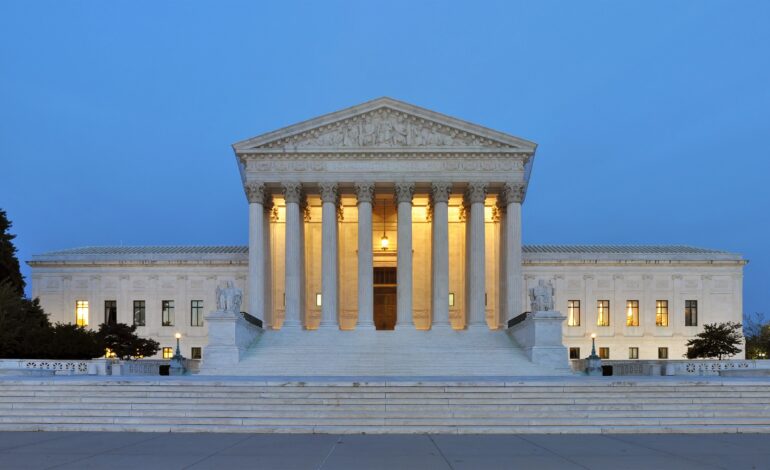

Across many democratic societies, courts have become central actors in defining how religion functions in public life. While legislation often attracts public attention, it is judicial interpretation that increasingly shapes the practical boundaries of religious expression. For the Catholic Church, this has led to a gradual but significant redefinition of its public role through legal decisions rather than political debate.
These changes rarely arrive through dramatic rulings. Instead, they accumulate quietly as courts interpret existing laws in ways that reshape how religious institutions operate. Understanding this judicial shift is essential for grasping how the Church’s engagement with society is evolving under modern legal systems.
Courts as Interpreters of Religion’s Public Limits
Courts play a unique role in translating abstract principles into enforceable standards. When judges interpret laws affecting religion, they effectively define where belief may be expressed publicly and where it must yield to regulation.
In many cases, courts frame their reasoning around neutrality and equality. While these principles are foundational to democratic systems, their application can narrow the space for religious identity. Over time, repeated interpretations shape a legal environment in which religion is increasingly confined to limited forms of expression.
Incremental Decisions With Lasting Impact
Judicial change often occurs incrementally. Individual cases may seem narrow, but together they establish patterns. Rulings related to education, employment, or social services gradually redefine how faith based institutions are expected to function.
For the Church, this incremental process is more consequential than isolated decisions. Each ruling sets precedent, influencing future interpretation. The cumulative effect can alter the Church’s public presence without any single moment of confrontation.
Redefining Neutrality in Practice
Courts frequently invoke neutrality as a guiding principle. In practice, neutrality is often interpreted as uniform application of rules. This approach can disadvantage religious institutions whose identity depends on moral and theological commitments.
When neutrality is defined as sameness, difference becomes suspect. The Church’s public role is then reframed as a private belief tolerated within limits rather than a legitimate public contributor. This shift occurs through legal reasoning rather than explicit exclusion.
Employment and Institutional Identity
One area where courts exert significant influence is employment. Legal decisions increasingly scrutinize the extent to which religious institutions may require alignment with their mission.
When courts restrict this discretion, they effectively reshape institutional identity. The Church’s ability to operate according to its convictions becomes conditional. These rulings redefine the Church’s role from moral community to regulated service provider.
Education and the Scope of Formation
Education is another arena where courts redefine public role. Decisions regarding curriculum, governance, and values shape whether Catholic schools can integrate faith into formation.
Judicial interpretations that prioritize standardized frameworks over religious character limit the Church’s formative role. This transforms education from an expression of mission into a contested legal space, redefining the Church’s contribution to public life.
The Church as a Legal Participant Rather Than Moral Voice
As courts assume greater influence, the Church increasingly engages public life through legal channels. This does not diminish its moral teaching, but it changes how that teaching is defended.
The Church becomes a legal participant navigating compliance rather than a moral voice shaping consensus. This shift alters perception, positioning faith as one interest among many rather than a formative cultural presence.
Long Term Consequences for Pluralism
The quiet redefinition of the Church’s public role has implications for pluralism. When courts narrow religious expression, society risks losing moral diversity.
Pluralism thrives when institutions with different convictions can contribute openly. Judicial frameworks that limit this contribution reduce public discourse to uniform norms. The Church’s experience reflects a broader challenge facing religious communities.
The Vatican’s Awareness of Judicial Trends
The Vatican closely monitors these judicial developments. Its legal engagement increasingly focuses on defending principles rather than contesting individual outcomes.
By addressing underlying assumptions about neutrality and public role, the Church seeks to preserve space for religious expression within legal systems. This approach recognizes that courts now shape public life as much as legislatures do.
Conclusion
Courts are quietly redefining the Church’s public role through incremental legal interpretation rather than overt confrontation. These decisions reshape how religion is expressed, regulated, and perceived in society. By understanding this shift, the Church and wider society can better engage the legal frameworks that increasingly determine whether faith remains a public contributor or is confined to the private sphere.