How Vatican Governance Actually Works After a Papal Transition
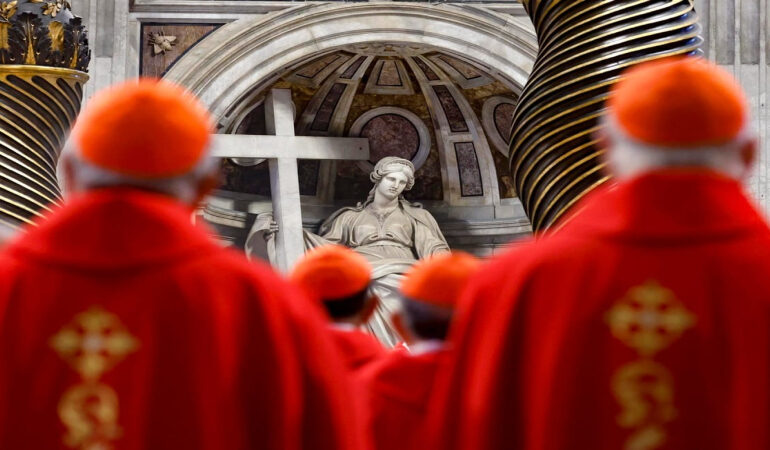

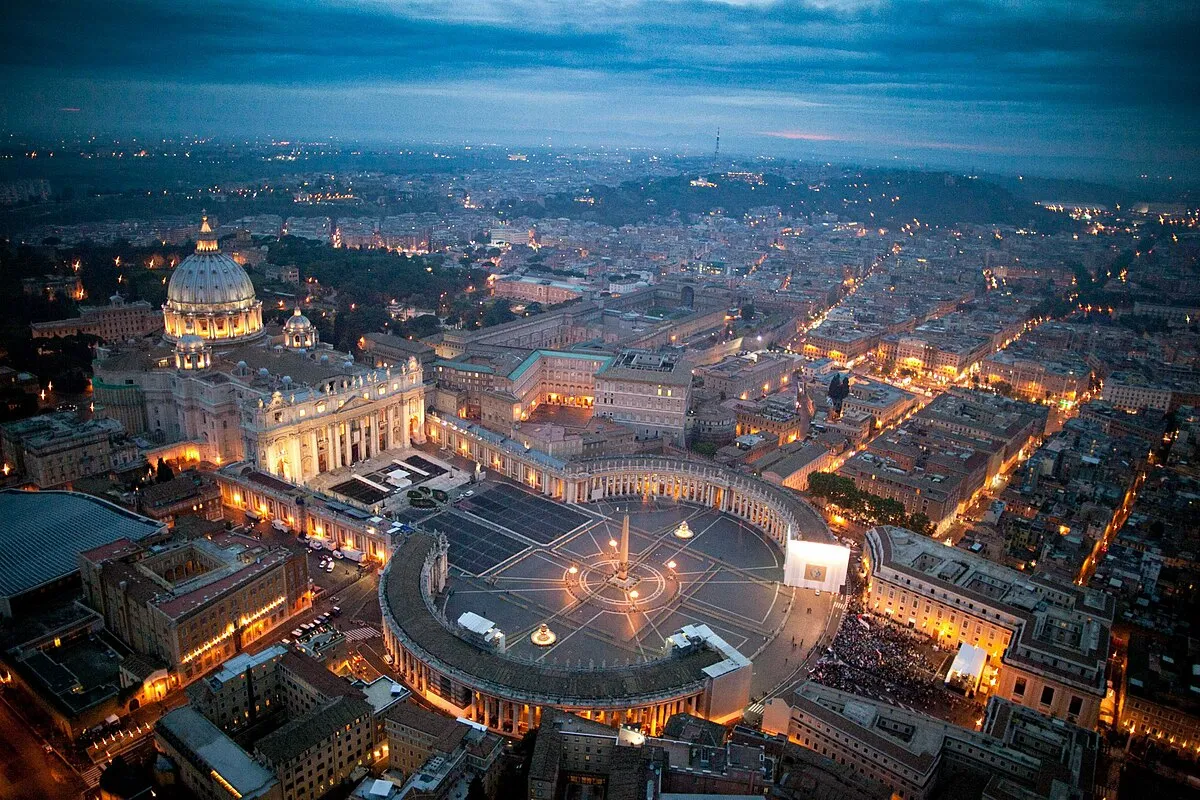
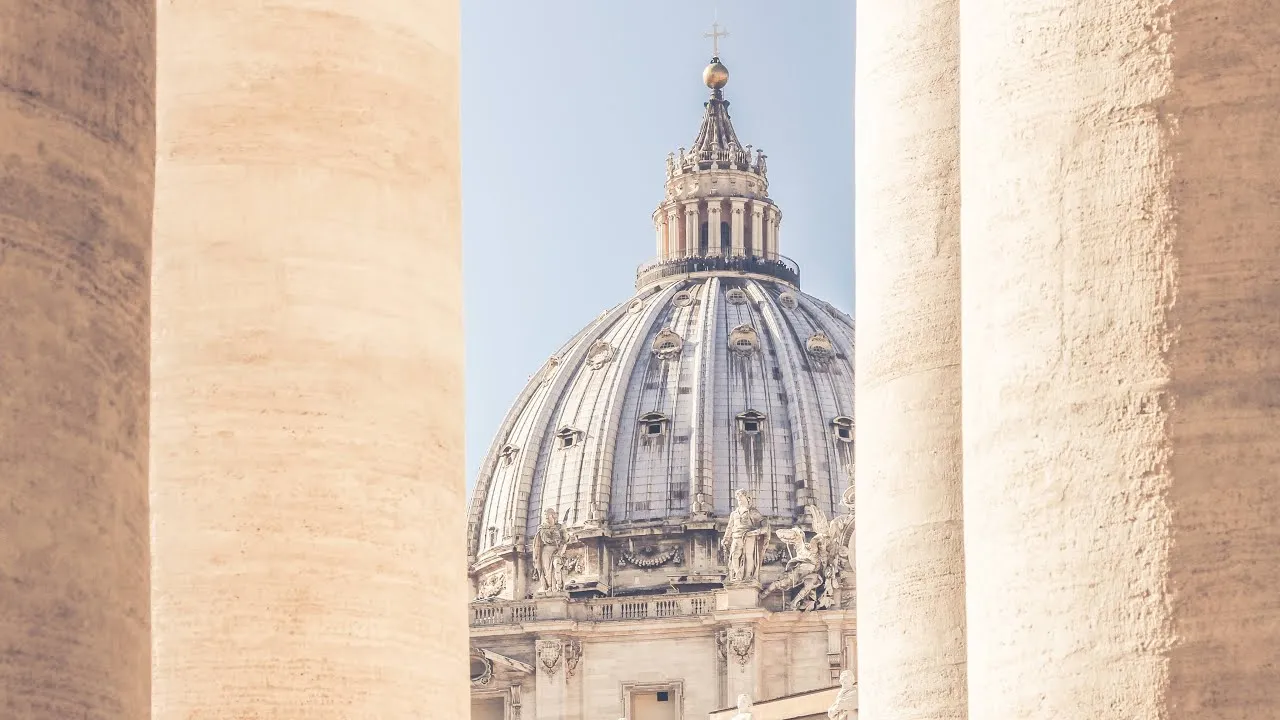
A papal transition often creates the impression of sudden change at the heart of the Catholic Church. Public attention naturally focuses on the new pope, his words, and early gestures. Yet behind the scenes, Vatican governance operates according to established structures that ensure continuity regardless of who occupies the papal office. Understanding how governance actually works after a transition reveals a system designed for stability rather than disruption.
When a new pope assumes office, governance does not reset. The Vatican continues to function through its institutions, processes, and legal frameworks. The transition introduces direction and tone, but it unfolds within a structure that prioritizes order, continuity, and responsibility over immediacy.
Continuity of Governance Beyond the Papal Moment
One of the most important realities of Vatican governance is continuity. While the pope holds supreme authority, day to day administration does not pause or restart after a transition. The Roman Curia continues its work, ensuring that governance remains steady.
Key offices and departments maintain operational responsibility. Ongoing matters are handled according to established procedures. This continuity prevents uncertainty and allows the Church to function smoothly during periods of leadership change. The system is designed to absorb transition without institutional instability.
The Role of the Roman Curia After Transition
The Roman Curia serves as the administrative and governing body through which papal authority is exercised. After a transition, its role becomes even more central. Departments continue to manage areas such as doctrine, diplomacy, governance, and pastoral coordination.
While a new pope may eventually adjust leadership roles, these changes are rarely immediate. The Curia provides institutional memory and expertise that support the new papacy. This ensures that governance remains informed by experience rather than improvisation.
Decision Making Through Process, Not Personal Intervention
Contrary to popular perception, most Vatican decisions are not made through direct papal intervention. They move through structured processes involving consultation, review, and approval. After a transition, these processes remain intact.
The pope sets priorities and direction, but governance relies on procedure. This approach limits disruption and reinforces accountability. It allows decisions to reflect collective discernment rather than personal urgency, strengthening institutional legitimacy.
Appointments as Gradual Signals of Direction
Appointments are one of the clearest ways a new pope shapes governance. However, they typically occur gradually. Early appointments tend to focus on continuity and stability rather than immediate reform.
Over time, these choices reveal priorities in administration and leadership style. The pace of appointments reflects awareness that governance requires balance. Sudden overhaul risks fragmentation, while gradual adjustment preserves coherence.
Legal and Administrative Frameworks Remain in Force
Vatican governance is anchored in legal and administrative frameworks that do not change with leadership. Canon law, internal regulations, and established procedures continue to guide decision making after a transition.
These frameworks provide predictability. They ensure that authority is exercised consistently and within defined boundaries. This legal continuity reassures Church leaders worldwide that governance remains reliable during change.
Coordination Between Central and Local Authority
After a papal transition, coordination between the Vatican and local Churches remains essential. Bishops continue to exercise authority in their regions while remaining in communion with Rome.
Governance functions through this balance. The Vatican provides guidance and oversight, but does not replace local responsibility. This structure allows the global Church to remain unified without centralized micromanagement.
Tone and Style Shift Without Structural Disruption
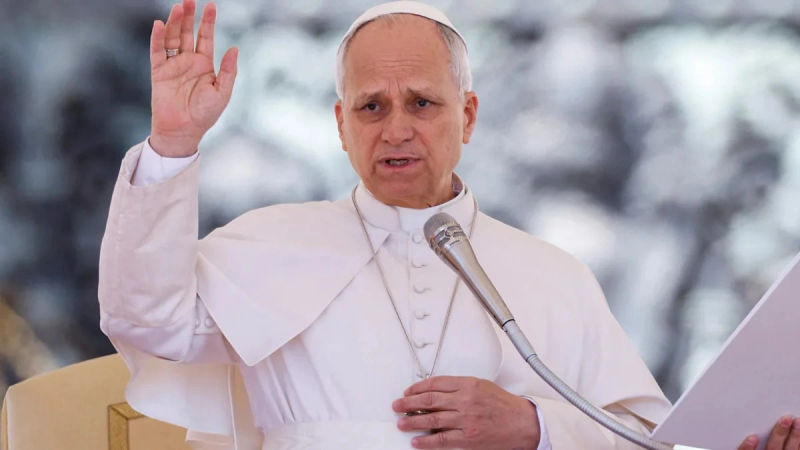
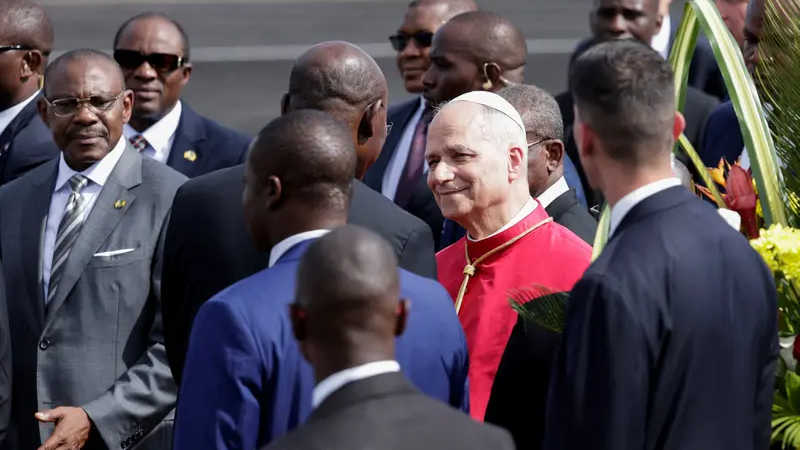
While structures remain constant, tone and style can change significantly after a transition. Pope Leo XIV’s emphasis on restraint and governance over visibility influences how authority is exercised.
These shifts occur within existing systems. Governance adapts through emphasis rather than reconstruction. This distinction explains why change can be meaningful without being dramatic.
Conclusion
Vatican governance after a papal transition is defined by continuity, structure, and disciplined process. While leadership style and priorities evolve, the underlying system remains stable. This design allows the Church to absorb change without disruption, ensuring that authority is exercised consistently and responsibly. Understanding this reality clarifies why papal transitions shape direction over time rather than transforming governance overnight.