Why Vatican Governance Depends More on Process Than Personality

Public attention often frames Vatican leadership through the personality of the pope. Gestures, tone, and communication style receive intense scrutiny, creating the impression that governance rises or falls on individual character. In reality, Vatican governance functions according to processes that outlast any single papacy. Personality influences emphasis, but process determines continuity.
This distinction is especially visible after a papal transition. While leadership style may shift, the machinery of governance remains anchored in procedures, legal frameworks, and institutional responsibility. Understanding why process matters more than personality clarifies how the Vatican maintains stability across centuries of leadership change.
Governance Designed to Outlast Individuals
Vatican governance is intentionally structured to endure beyond individual leaders. The pope holds supreme authority, yet that authority is exercised through systems designed to prevent disruption. These systems ensure that governance does not depend on personal preference alone.
Processes provide predictability. They allow decisions to be made consistently regardless of who occupies leadership roles. This design reflects the Church’s long historical experience with transition and change. Stability is achieved by embedding authority within procedure rather than personality.
The Roman Curia as a System of Process
The Roman Curia operates as a complex administrative system. Its departments function according to defined mandates, regulations, and workflows. While leadership appointments matter, daily governance relies on established process.
Curial offices prepare decisions through consultation, documentation, and review. This structure ensures continuity and accountability. It also prevents governance from becoming reactive to individual impulses. Process disciplines authority and supports institutional coherence.
Decision Making Through Consultation and Review
Most Vatican decisions emerge from layered consultation rather than immediate direction. Proposals move through internal review, legal assessment, and advisory input before final approval. This process remains consistent across papacies.
Consultation limits the influence of personality. It ensures that decisions reflect broader judgment rather than individual inclination. This approach supports discernment and reduces the risk of inconsistency or contradiction in governance.
Why Personality Still Matters, but Differently
Personality does play a role, but primarily in tone and emphasis. A pope may prioritize certain issues or govern with particular style. These choices shape direction without dismantling structure.
Personality influences how process is used, not whether it exists. A disciplined leader reinforces process, while a more visible leader may highlight outcomes. In both cases, governance depends on the same underlying systems.
Legal Frameworks That Anchor Authority
Vatican governance is grounded in canon law and internal regulations. These legal frameworks define authority, responsibility, and procedure. They remain in force regardless of leadership style.
Legal continuity protects governance from volatility. It ensures that authority is exercised within clear boundaries. This anchoring allows the Vatican to maintain credibility and consistency across leadership transitions.
Process as a Source of Trust
Process builds trust within the institution and beyond it. When governance follows known procedures, leaders and local Churches can anticipate how decisions are made. This predictability reduces uncertainty and tension.
Trust grows when authority appears ordered rather than arbitrary. Process communicates seriousness and responsibility. It reassures stakeholders that governance is guided by structure rather than personality.
Lessons From History
History reinforces the importance of process. Papal personalities have varied widely across centuries, yet governance has remained intact. This endurance reflects reliance on systems rather than individuals.
When governance depended too heavily on personality, instability followed. The Church’s gradual refinement of process reflects lessons learned through experience. Process became the safeguard against fragmentation.
Implications for the Present Papacy
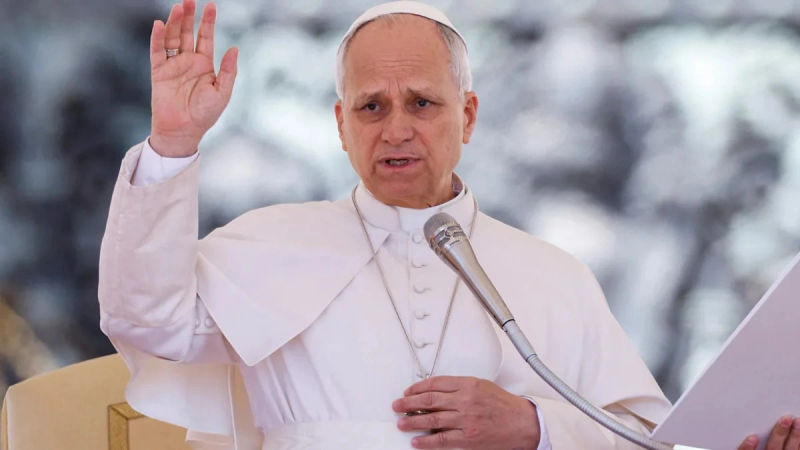
Under Pope Leo XIV, emphasis on restraint and governance highlights the importance of process. His leadership style aligns with institutional discipline, reinforcing structures rather than bypassing them.
This alignment strengthens governance. It ensures that authority flows through established channels. Personality shapes tone, but process sustains function.
Conclusion
Vatican governance depends more on process than personality because stability requires structure that endures beyond individual leaders. While papal style influences emphasis, governance is anchored in consultation, law, and institutional procedure. This reliance on process allows the Church to navigate change without disruption, ensuring continuity, accountability, and coherence at the heart of the Holy See.