


What Governance Reform Means and Doesn’t Mean Inside the Vatican

The phrase governance reform often carries expectations of dramatic change. In public discourse, reform is frequently associated with replacement, disruption, or reversal. Inside the Vatican, however, governance reform operates according to a different logic. It is less about dismantling structures and more about refining how authority, responsibility, and process function together.
Understanding what reform means inside the Vatican requires attention to institutional culture and historical continuity. Reform is not an event but an ongoing process shaped by discipline, law, and experience. Just as important is understanding what reform does not mean, particularly in a system designed for long term stability rather than rapid transformation.
Reform as Refinement, Not Reconstruction
Inside the Vatican, governance reform is understood primarily as refinement. Structures that already exist are examined for clarity, efficiency, and coherence. The goal is to improve function without undermining continuity.
This approach reflects awareness that governance must endure beyond individual leadership. Reform strengthens systems so they operate more consistently and transparently. It avoids wholesale reconstruction, which risks fragmentation and loss of institutional memory.
What Reform Does Not Mean
Governance reform does not mean abandoning tradition or erasing established authority. Nor does it imply weakening central coordination. These misunderstandings often arise from external assumptions shaped by political or corporate models of reform.
Inside the Vatican, reform does not aim to replace one system with another. Instead, it seeks alignment between mission and administration. Reform respects inherited structures while adjusting how they are used.
Clarifying Roles and Responsibilities
A central focus of reform is role clarity. Vatican governance involves multiple offices with overlapping responsibilities. Reform efforts aim to define mandates more precisely, reducing confusion and duplication.
Clear roles support accountability. When responsibility is defined, governance becomes more effective. This clarity allows offices to function within their scope while cooperating with others through structured coordination.
Process as the Core of Reform
Process lies at the heart of Vatican reform. Decision making is refined through clearer consultation pathways, documentation standards, and review mechanisms. These processes ensure that authority is exercised consistently.
By strengthening process, reform reduces reliance on informal influence. Decisions become traceable and predictable. This reinforces legitimacy and trust within the institution and among the global Church.
Continuity as a Measure of Success
Unlike systems that equate reform with visible change, the Vatican measures success through continuity. Effective reform allows governance to function smoothly without constant intervention.
Continuity ensures that reform is absorbed rather than resisted. When change unfolds within familiar frameworks, institutions adapt more readily. This gradual approach preserves unity while improving effectiveness.
Reform and Leadership Style
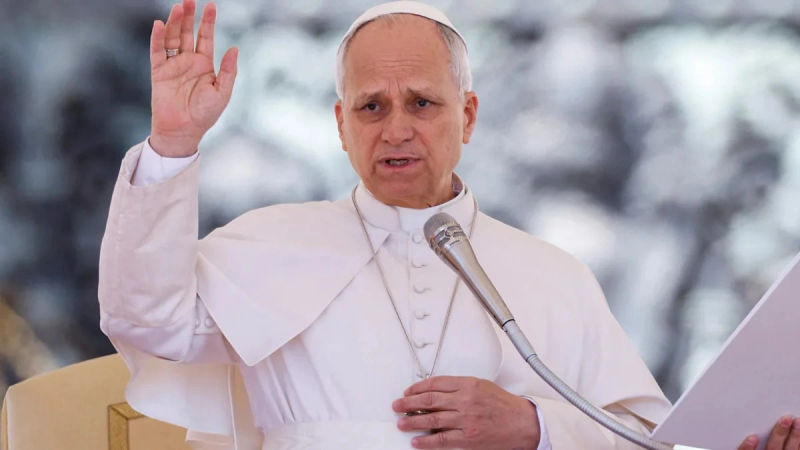
Leadership style influences how reform is implemented. Under Pope Leo XIV, emphasis on restraint and governance discipline aligns with process oriented reform. Change is guided through internal adjustment rather than public declaration.
This approach avoids reform fatigue. By focusing on governance outcomes rather than announcements, reform remains practical and sustainable. Leadership reinforces reform through consistency rather than urgency.
Reform in a Global Church Context
The Vatican governs a global Church with diverse needs. Reform must account for this diversity. Changes in central governance affect dioceses worldwide, making caution essential.
Reform aims to improve coordination with local Churches rather than impose uniform solutions. By refining how Rome supports local authority, governance reform strengthens global unity without diminishing autonomy.
Avoiding the Illusion of Instant Transformation
One of the risks of governance reform is the expectation of instant results. Inside the Vatican, reform is understood as cumulative. Its effects become visible over time through improved function rather than dramatic shifts.
This patience reflects realism. Durable governance cannot be rushed. Reform that endures is reform that respects institutional rhythm.
Conclusion
Governance reform inside the Vatican is about refinement, clarity, and disciplined process, not disruption or replacement. It strengthens existing structures so authority is exercised more coherently and responsibly. By understanding what reform means and does not mean, observers can better appreciate how the Vatican pursues lasting improvement while preserving continuity at the heart of its governance.