

Pope Calls Vatican Staff to Humility and Simplicity
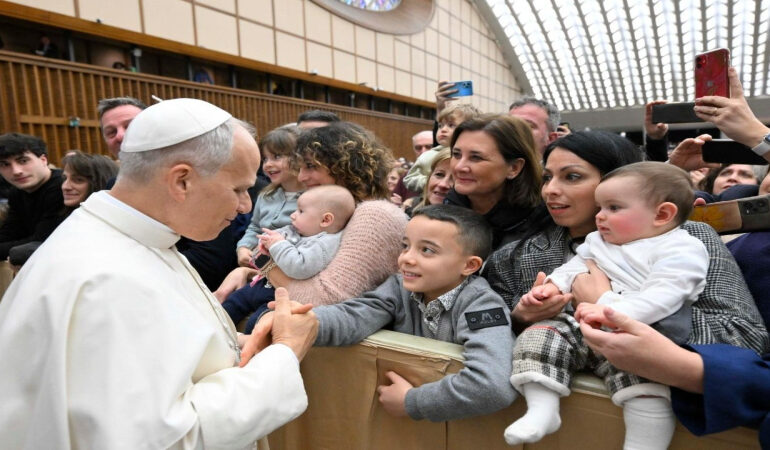

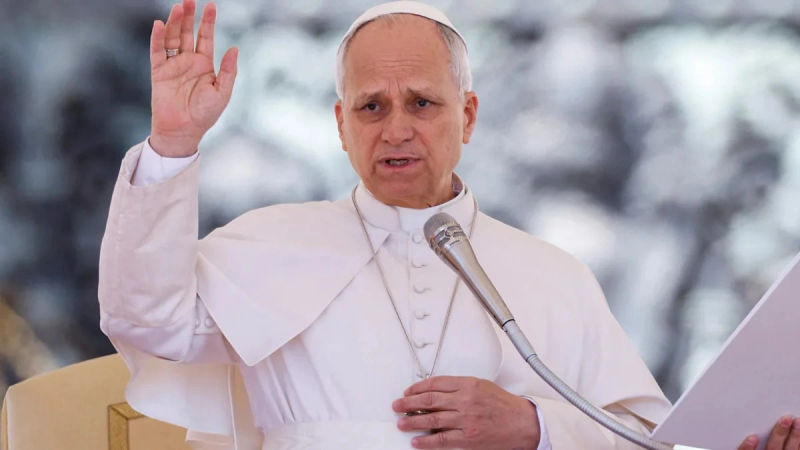
In his traditional Christmas greeting to Vatican employees and their families, Pope Leo XIV called for humility and simplicity to become the defining style of the Church. Addressing members of the Roman Curia, the Governorate of Vatican City State, and the Vicariate of Rome gathered in the Paul VI Audience Hall, the Pope framed his message around the mystery of Christ’s birth. He invited those present to learn from the simplicity of Jesus in the manger and to translate that spirit into daily service across all ecclesial structures. Thanking employees for their work, Pope Leo described the Vatican as a great mosaic of offices and responsibilities, each contributing to a larger mission. He expressed his desire to visit workplaces in time and asked that his greetings be conveyed especially to elderly and sick family members, assuring them of his prayers.
Reflecting on the imagery of traditional nativity scenes, the Pope drew attention to the everyday figures that populate them, from craftsmen to shopkeepers and laborers. Though many of these trades belong to another era, he said their presence continues to speak powerfully to the Church today. These figures remind believers that ordinary work, when carried out faithfully, finds its meaning within God’s plan centered on Jesus Christ. Pope Leo emphasized that the Child in the manger appears to bless all human activity through his gentle and humble presence. While Mary, Joseph, and the shepherds contemplate the mystery with awe, the other figures continue their daily tasks, seemingly unaware yet fully participating in the event by remaining faithful to their place and duty. This quiet faithfulness, he suggested, reveals a deeper form of participation in God’s saving work.
Applying this image to contemporary working life, Pope Leo encouraged Vatican employees to see their daily responsibilities as a way of giving glory to God. He acknowledged that routine tasks can sometimes absorb attention and obscure awareness of the Lord or the Church, yet insisted that dedication, professionalism, and perseverance remain authentic expressions of faith. For lay employees in particular, he highlighted the value of combining commitment to work with care for family life, noting that love shown toward spouses, children, and relatives also becomes a form of praise. By doing one’s work well and with integrity, he said, the Church’s mission is quietly strengthened from within. In this way, humility and simplicity are not abstract virtues but concrete attitudes that shape service, relationships, and institutional life, allowing the Church to witness to God’s tenderness through ordinary faithfulness.