
Pope Leo Prepares Cardinals for Defining Consistory
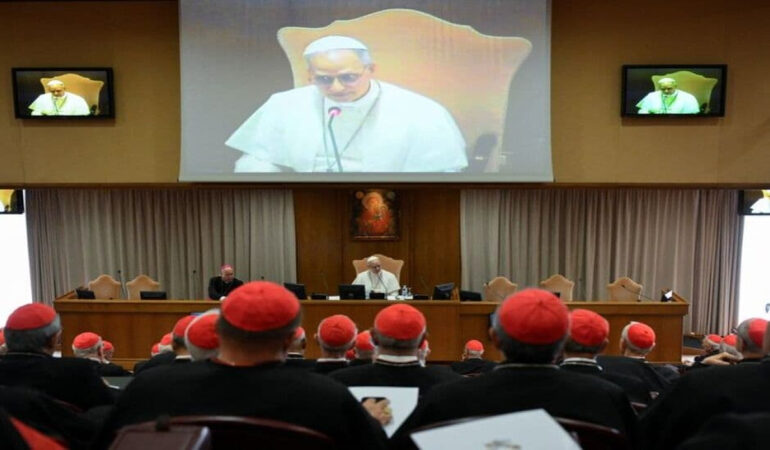

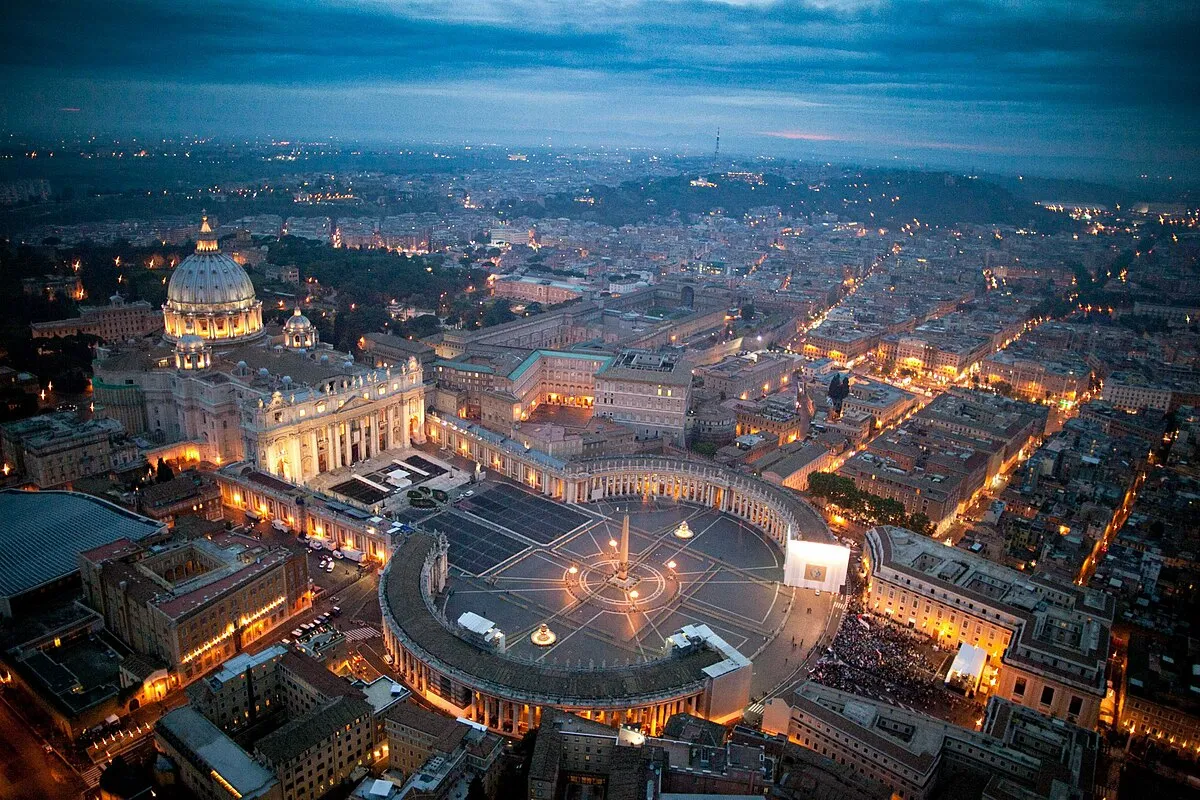
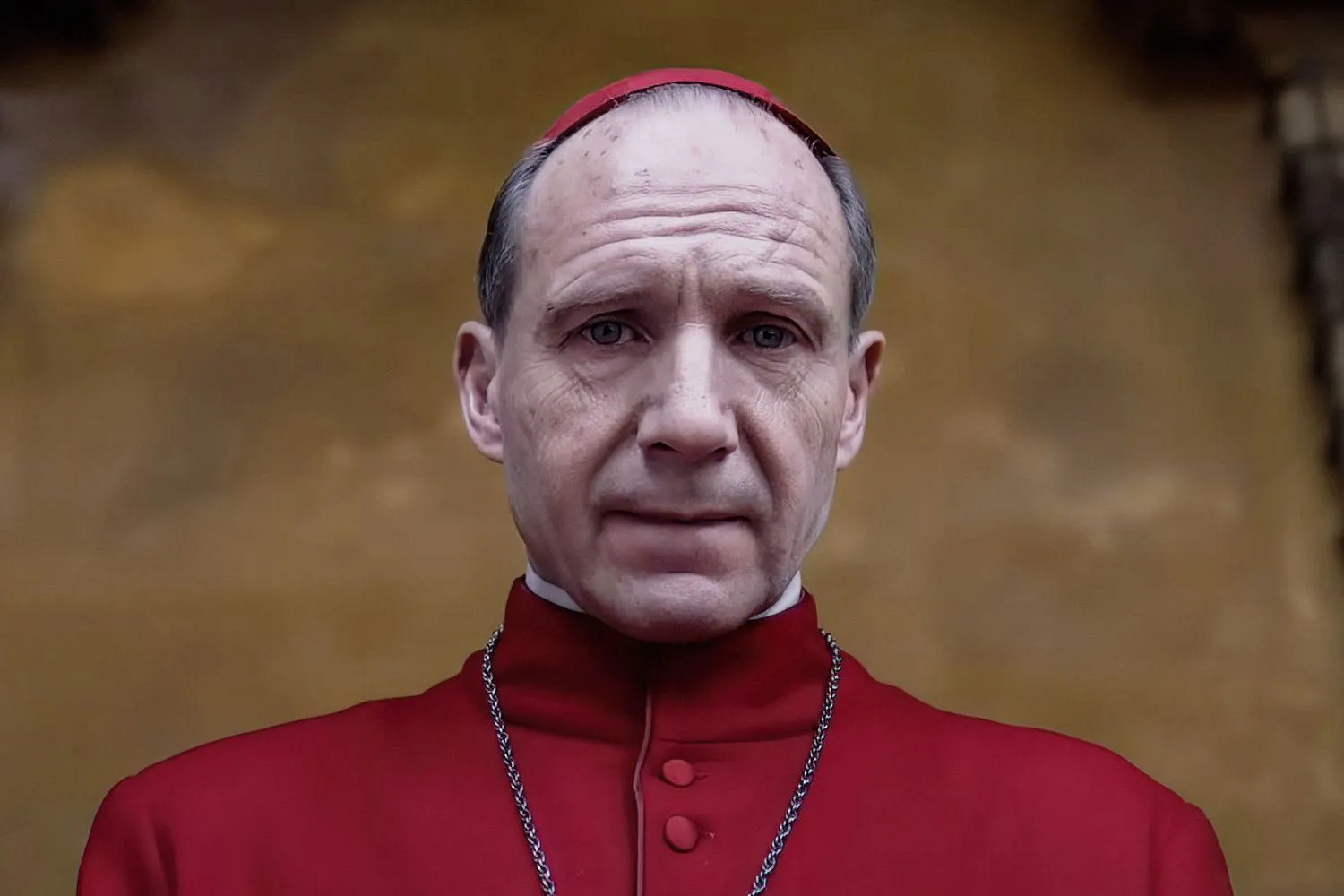
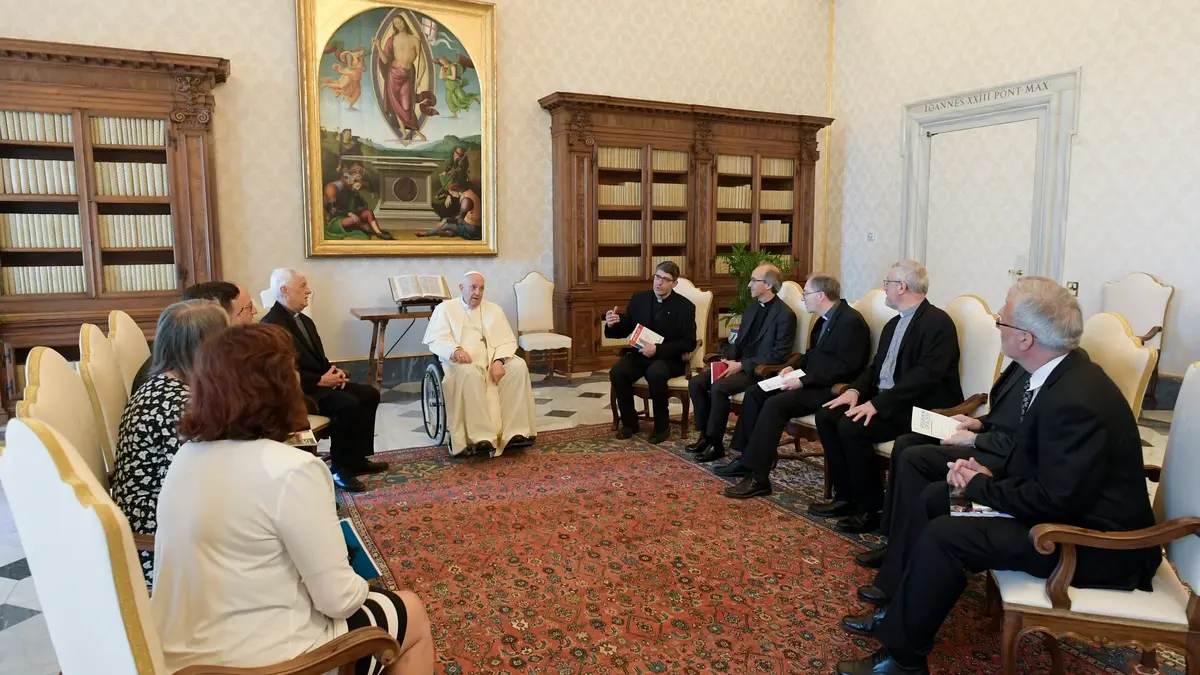
As the Jubilee of Hope draws to a close, Pope Leo XIV is preparing to convene his first consistory with the College of Cardinals, a two day meeting that is already being viewed as a defining moment of his pontificate. Scheduled for early January, immediately after the closing of the Holy Door at Saint Peter’s Basilica, the gathering is expected to offer the clearest signal yet of how the new pope intends to govern the universal Church. It will bring together cardinals from across the world for reflection and counsel on some of the most complex questions facing Catholic life today. While no immediate decisions are anticipated, the consistory carries symbolic weight as Pope Leo’s first formal exercise of collective discernment with his closest collaborators. The limited time available and the breadth of topics under discussion underline both the urgency and the challenge of the moment, as the Church navigates continuity, reform, and internal tensions.
In a letter sent ahead of the meeting, Pope Leo outlined a broad agenda that points beyond any single issue and toward a deeper reflection on ecclesial identity. Cardinals have been asked to revisit key magisterial texts, including Evangelii Gaudium and the constitution reforming the Roman Curia, as well as to engage questions of synodality, mission, and liturgy. The Pope has repeatedly signaled his desire to continue the path opened after the Second Vatican Council, emphasizing a Church that is missionary, collegial, and attentive to the sensus fidei of the people of God. While public attention has focused heavily on liturgical debates, Vatican observers note that the consistory’s scope is far wider, touching on governance, cooperation between local and universal Church, and the capacity of ecclesial structures to communicate the Gospel amid modern social and cultural pressures.
For Pope Leo, the upcoming meeting is also an exercise in listening, consistent with his understanding of synodality as an attitude of openness rather than a procedural formula. Since his election, he has described the cardinals as essential partners in bearing a responsibility that exceeds any individual capacity. The consistory offers a space for candid exchange, where differences can be voiced without being reduced to ideological camps. It also comes at a moment when the Church continues to grapple with polarization, both internally and in its engagement with the world. By framing the discussion around mission and communion, Pope Leo appears intent on grounding debate in shared evangelical priorities rather than narrow disputes. Even if no concrete outcomes emerge immediately, the perspectives gathered are likely to shape decisions in the months ahead, setting the tone for a pontificate that seeks continuity with reform through dialogue, patience, and collective responsibility.