
Paul VI Gesture Still Shapes Catholic Orthodox Reconciliation
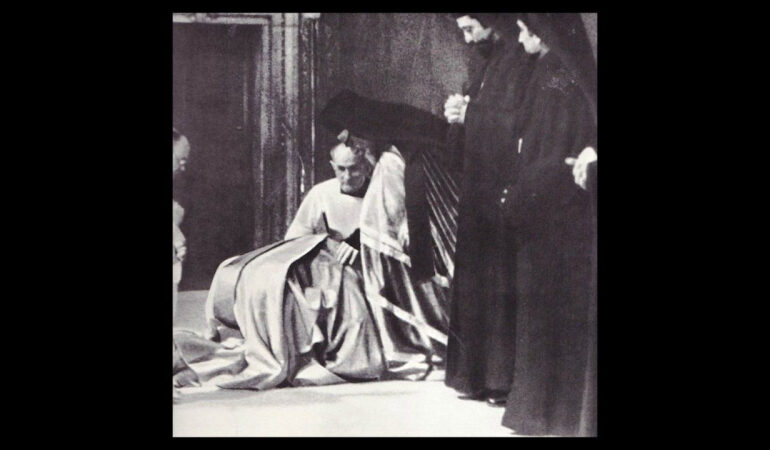

Fifty years after a moment that stunned the Christian world, the memory of Pope Paul VI kneeling before an Orthodox bishop continues to stand as one of the most powerful symbols of modern ecumenism. On 14 December 1975, at the close of the Holy Year and a decade after Rome and Constantinople formally lifted their mutual excommunications, Paul VI made an unscripted gesture that few present could have anticipated. As Mass concluded in the Sistine Chapel, the Pope descended from the altar, approached Metropolitan Meliton of Chalcedon, and knelt, kissing his feet. The act was carried out without public preparation, known only to the Pope’s closest aide, and it unfolded in silence before erupting into sustained applause. More than an expression of personal humility, the gesture conveyed a theological statement about authority, repentance, and the vocation of the Bishop of Rome as a servant of unity rather than a symbol of dominance.
The presence of Metropolitan Meliton as representative of Ecumenical Patriarch Dimitrios I gave the moment particular weight. The Pope’s action deliberately echoed Christ’s washing of the disciples’ feet, while also recalling the unfulfilled hopes of reunion articulated centuries earlier at the Council of Florence. Those who witnessed the event later described it as a turning point in the emotional and spiritual landscape of Catholic Orthodox relations. Cardinal Johannes Willebrands, a leading figure in ecumenical dialogue, would later say that Paul VI possessed a rare instinct for gestures capable of expressing what documents could not. Metropolitan Meliton himself reportedly described the moment as something only a saint could have done, recognizing in the Pope’s act not protocol but a profound renunciation of ecclesial pride. In that instant, centuries of separation were not erased, but they were reframed through humility rather than rivalry.
Half a century later, the gesture continues to inform contemporary ecumenical reflection as Churches confront new fractures in a polarized world. The memory has gained renewed relevance amid recent commemorations of early Christian unity, including gatherings in Nicaea that brought together Pope Leo XIV and Patriarch Bartholomew. Paul VI’s action is increasingly interpreted not as an isolated act of personal piety but as a defining moment in the modern understanding of papal ministry. It articulated a vision of leadership grounded in reconciliation, one that privileges encounter over assertion and symbolic humility over institutional self defense. As Christians look toward future milestones such as the Jubilee of 2033 and renewed attention to Jerusalem as a place of shared origins, the image of a Pope kneeling before an Orthodox brother continues to challenge the Churches to imagine unity not as conquest, but as mutual conversion.