A Quiet Papacy by Design: Why Pope Leo XIV Avoids Theatrics
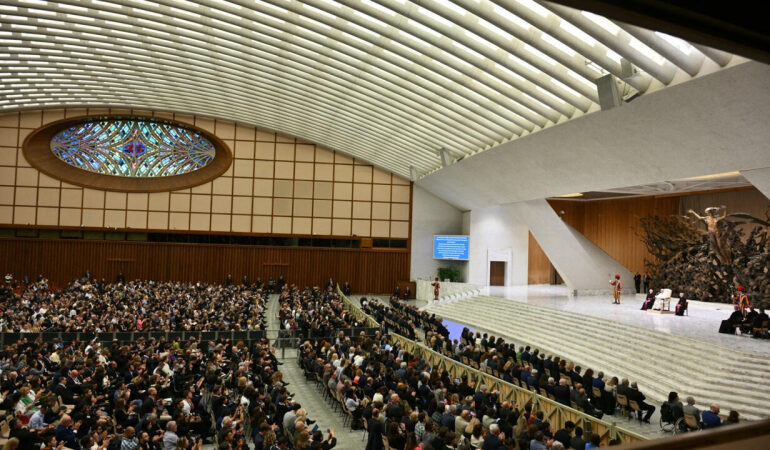

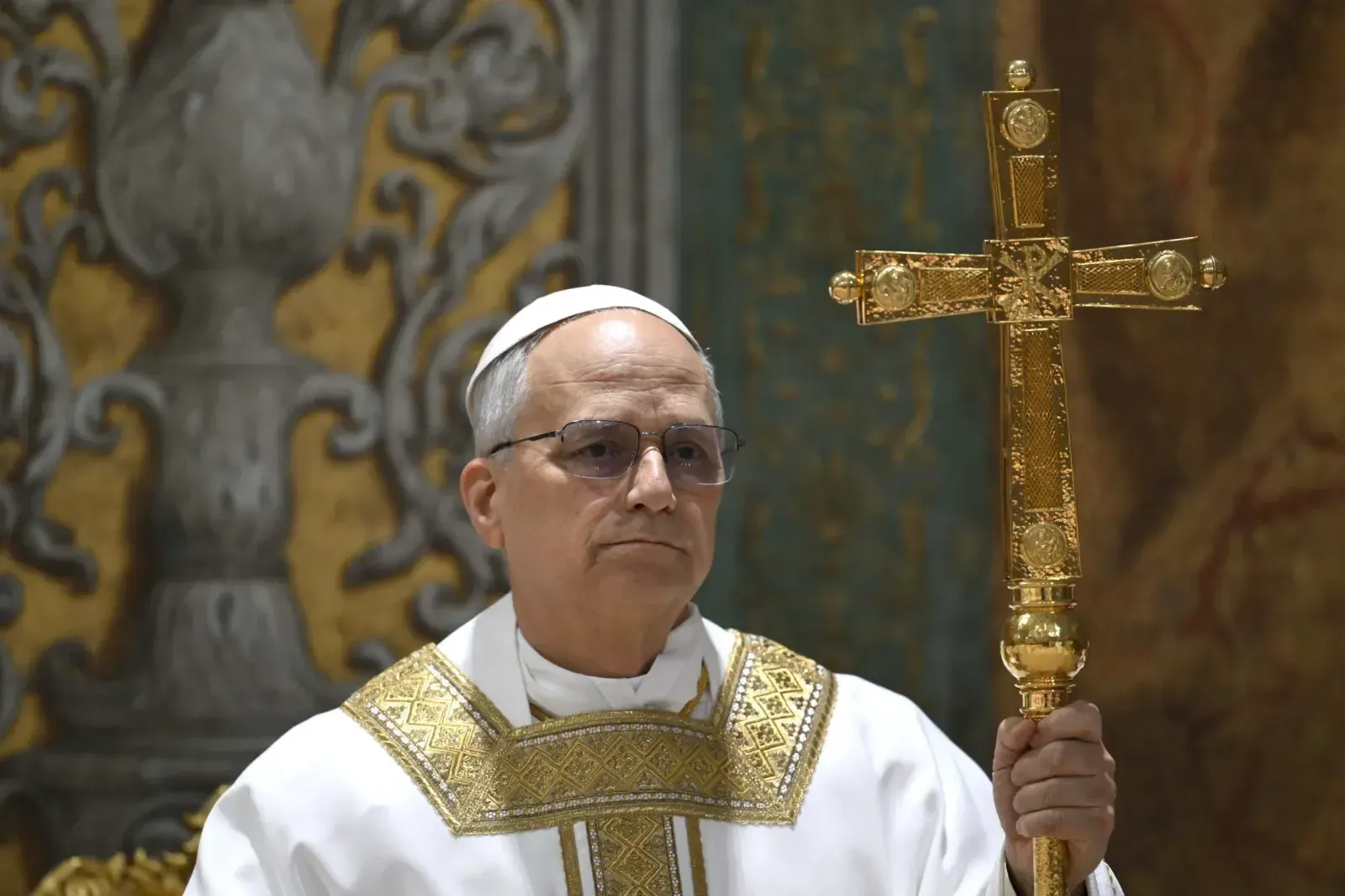
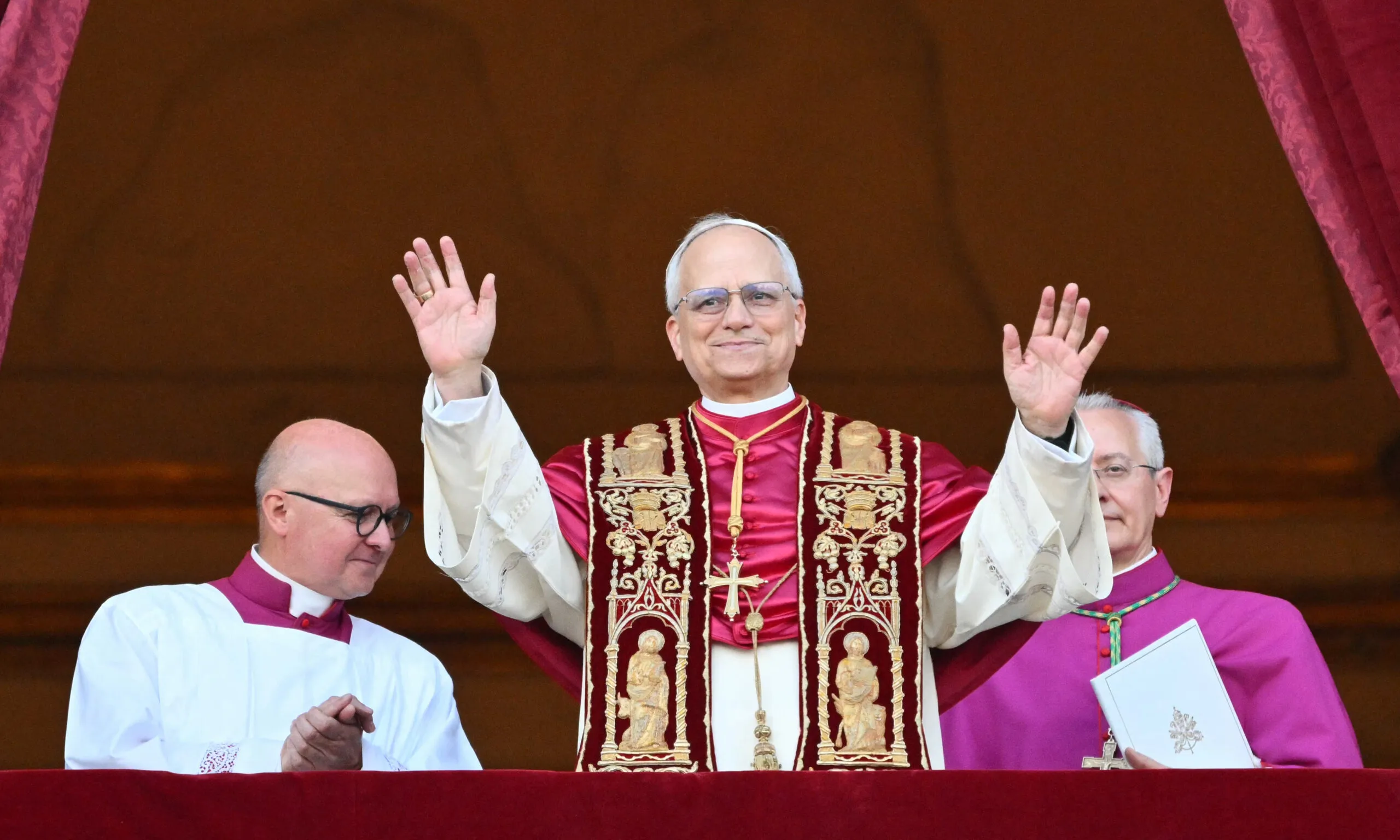
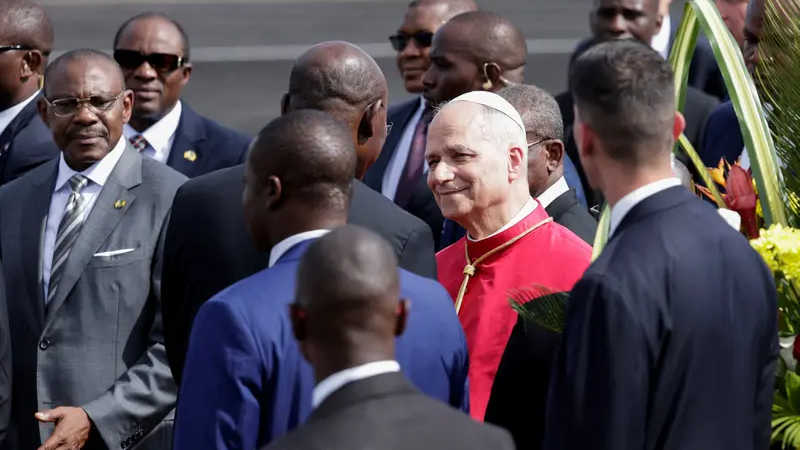
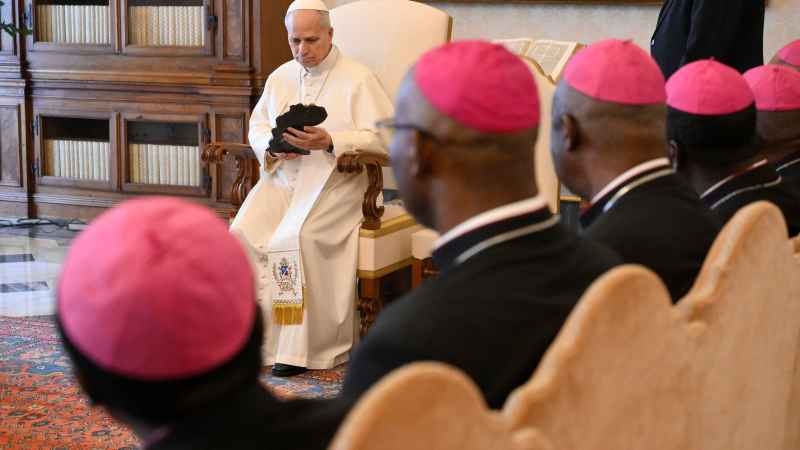
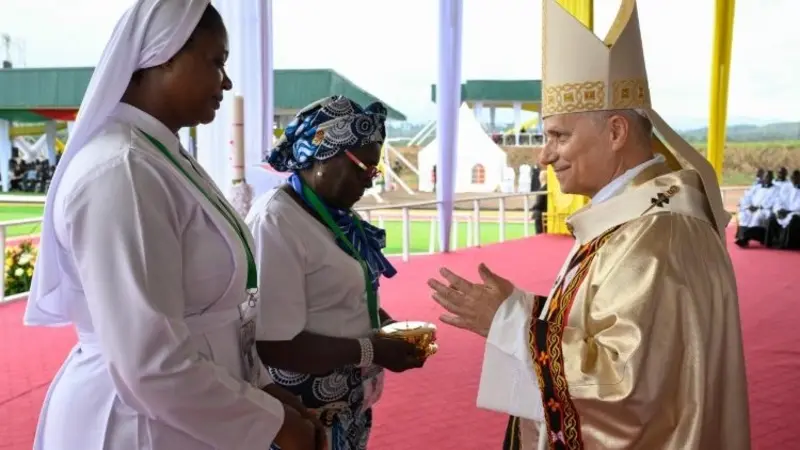
From the earliest days of his pontificate, Pope Leo XIV has presented a style of leadership that is notably restrained. In an era when public figures often rely on visibility, symbolism, and spectacle, the new pope has chosen a quieter path. His papacy has unfolded with deliberation, clarity, and a conscious absence of dramatic gestures.
This restraint is not accidental. It reflects a broader understanding of the Church’s present needs and the risks associated with performative leadership. Pope Leo XIV appears convinced that credibility today is built through consistency rather than constant visibility. His avoidance of theatrics signals a shift toward substance over symbolism.
A Leadership Style Rooted in Deliberate Restraint
Pope Leo XIV’s quiet approach suggests a belief that authority is strengthened when it is exercised calmly. Rather than drawing attention through dramatic acts or emotionally charged language, he relies on institutional process and measured communication. This reinforces the idea that the papacy is a stabilizing office rather than a platform for personal expression.
Deliberate restraint also serves to lower internal tension. In a global Church marked by differing expectations and sensitivities, dramatic gestures can amplify division. A quieter papacy reduces the risk of misinterpretation and allows messages to be received with greater focus on content rather than delivery.
This leadership style also aligns with a long tradition of governance within the Church, where continuity and discipline are valued. By avoiding theatrics, the pope situates himself firmly within that tradition.
Responding to a Climate of Constant Noise
The modern public sphere is defined by immediacy and constant reaction. Religious institutions are not immune to these pressures, often facing demands for instant responses to complex issues. Pope Leo XIV’s refusal to engage in this cycle reflects an awareness of its limitations.
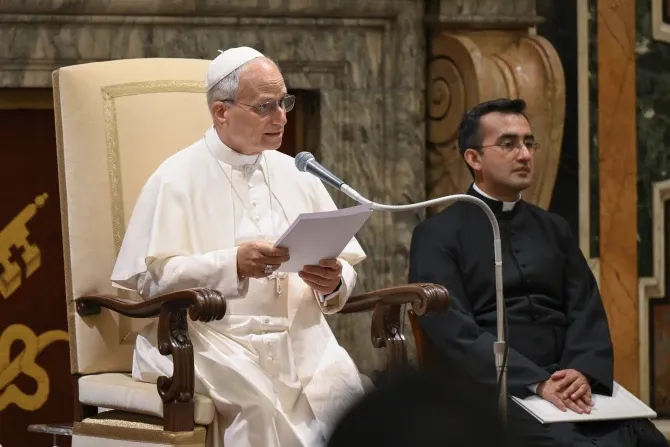
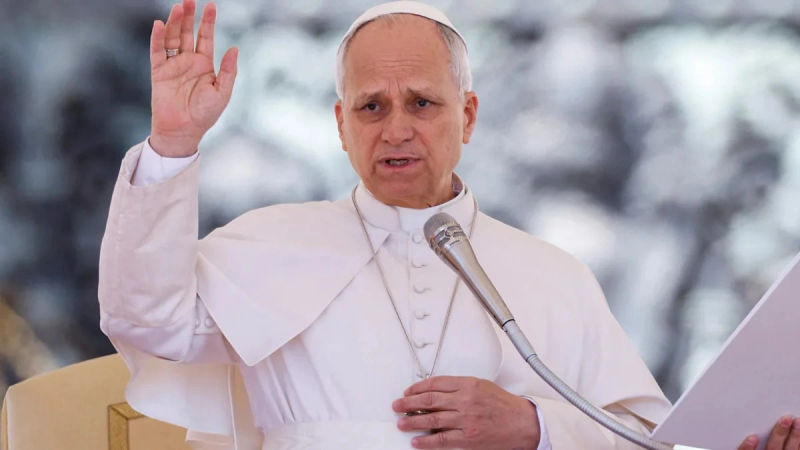
Silence and restraint can create space for discernment. By speaking less frequently and with greater precision, the pope ensures that his words carry weight. This approach also signals confidence, suggesting that leadership does not require constant affirmation through visibility.
For many within the Church, this calm presence offers reassurance. In times of rapid social and political change, a leader who resists performative pressure can serve as an anchor of stability.
Governance Over Gesture
One of the defining features of Pope Leo XIV’s papacy is his focus on governance rather than gesture. Administrative clarity, internal coordination, and institutional discipline have taken precedence over symbolic actions. This reflects a conviction that the Church’s effectiveness depends on how well it functions internally.
By emphasizing governance, the pope directs attention to the systems that support pastoral work, diplomacy, and global outreach. These structures often operate away from public view but are essential to the Church’s mission. Strengthening them requires patience rather than performance.
This approach also helps normalize leadership transitions. When authority is expressed through process rather than personality, institutions become more resilient. The papacy becomes less dependent on individual style and more rooted in shared responsibility.
A Signal to the Global Church
The avoidance of theatrics sends a clear message to bishops, clergy, and lay leaders worldwide. Pope Leo XIV’s example encourages restraint, careful communication, and respect for institutional roles. In this sense, his quiet papacy functions as a form of leadership education.
Local churches facing public pressure may find guidance in this model. The emphasis on calm authority over reactive engagement suggests a way of navigating controversy without escalation. It reinforces the idea that credibility is built over time through consistency.
This leadership style also strengthens the Vatican’s external relationships. Governments and international partners often value predictability and seriousness. A pope who avoids spectacle enhances the Holy See’s standing as a thoughtful and reliable interlocutor.
Conclusion
Pope Leo XIV’s quiet papacy is not a withdrawal from leadership but a deliberate strategy. By avoiding theatrics, he emphasizes governance, discernment, and institutional strength. In doing so, he offers a vision of papal authority grounded in calm confidence, one that seeks to steady the Church rather than place it at the center of constant attention.