
Why the Church Is Framing Doctrine as Continuity, Not Correction

In recent years, doctrinal discussions within the Catholic Church have taken on a more careful tone. Rather than presenting teachings as revisions or reversals, the Church increasingly frames doctrine as a continuous unfolding of tradition. This approach reflects a deliberate effort to preserve unity while addressing the realities of a changing world.
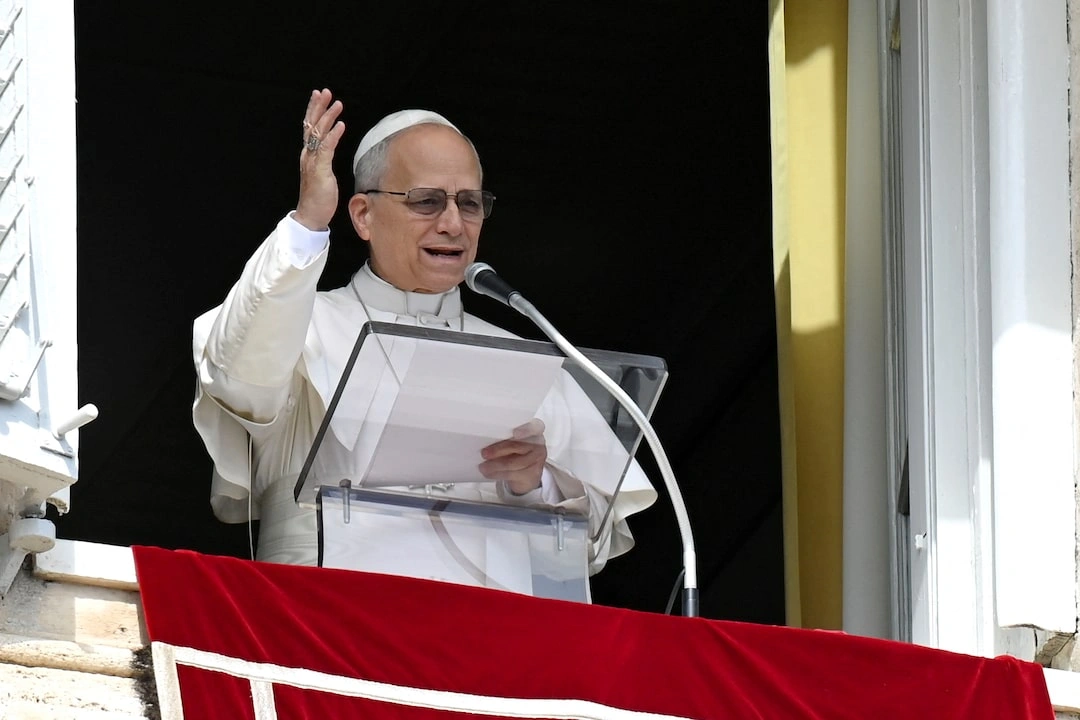
Under the leadership of Pope Leo XIV, this emphasis on continuity has become more pronounced. The Church’s doctrinal voice seeks to reassure the faithful that core teachings remain intact, even as language and emphasis evolve. Continuity, in this sense, becomes a way of maintaining trust and coherence across generations.
Doctrine as a Living Tradition
The Catholic understanding of doctrine has long rested on the idea of development rather than replacement. Teachings are viewed as part of a living tradition shaped by Scripture, reason, and history. By framing doctrine as continuity, the Church reinforces this theological foundation.
This approach avoids presenting teaching as reactive to cultural pressure. Instead, it situates doctrinal expression within a long narrative of reflection and discernment. Continuity underscores that development occurs through deepening understanding, not correction of error.
For the faithful, this framing offers stability. It affirms that belief is anchored in a shared inheritance rather than subject to constant revision.
Responding to Change Without Doctrinal Rupture
The modern world presents new ethical, social, and cultural questions that demand engagement. The Church’s emphasis on continuity allows it to respond thoughtfully without implying rupture with past teaching.
By focusing on consistent principles rather than new formulations, the Church avoids polarizing debates about change versus tradition. This approach encourages dialogue rooted in shared foundations rather than contested reinterpretations.
Continuity also protects the integrity of doctrine. It ensures that responses to contemporary issues remain connected to enduring theological commitments rather than temporary trends.
Preserving Unity Within a Global Church
The Catholic Church spans diverse cultures and contexts. Doctrinal correction language can create anxiety or division, especially where local churches experience change differently. Framing doctrine as continuity helps preserve unity across this diversity.
When teachings are presented as consistent with tradition, local communities are less likely to perceive them as imposed or disruptive. This fosters trust in the Church’s teaching authority and reduces the risk of fragmentation.
Unity does not require uniform experience, but it does require shared reference points. Continuity provides those anchors, allowing diversity to exist within a coherent doctrinal framework.
Authority, Credibility, and Teaching Tone
How doctrine is communicated affects how it is received. A tone of correction can suggest instability or internal conflict. By contrast, continuity projects confidence and credibility.
Under Pope Leo XIV, doctrinal communication reflects restraint and clarity. Teachings are articulated with careful language that emphasizes connection to established belief. This reinforces the Church’s role as a steady moral guide rather than a reactive institution.
Such credibility is particularly important in a climate of skepticism. Continuity signals that the Church speaks from depth and reflection, not impulse.
Formation Over Confrontation
Another reason for emphasizing continuity is pastoral formation. The Church seeks to form consciences rather than win arguments. Presenting doctrine as a shared journey encourages learning and engagement rather than defensiveness.
This approach allows space for growth and understanding. It respects the complexity of belief while maintaining clear boundaries. Continuity becomes an invitation to deeper reflection rather than a demand for immediate agreement.
Formation rooted in continuity supports long-term faith development. It strengthens the Church’s capacity to teach across generations.
Conclusion
By framing doctrine as continuity rather than correction, the Church affirms its commitment to tradition while engaging the present with confidence. This approach preserves unity, strengthens credibility, and supports pastoral formation. In a time of rapid change, continuity offers the faithful a sense of stability rooted in enduring belief.