
Why the Vatican Is Reassessing Its Approach to Church-State Tensions

Relations between the Church and the state have always required careful balance. In recent years, however, that balance has become harder to maintain. Legal disputes, regulatory pressure, and shifting political norms have intensified tensions in many parts of the world. These developments have prompted the Vatican to reassess how it engages with states while protecting religious freedom and institutional integrity.
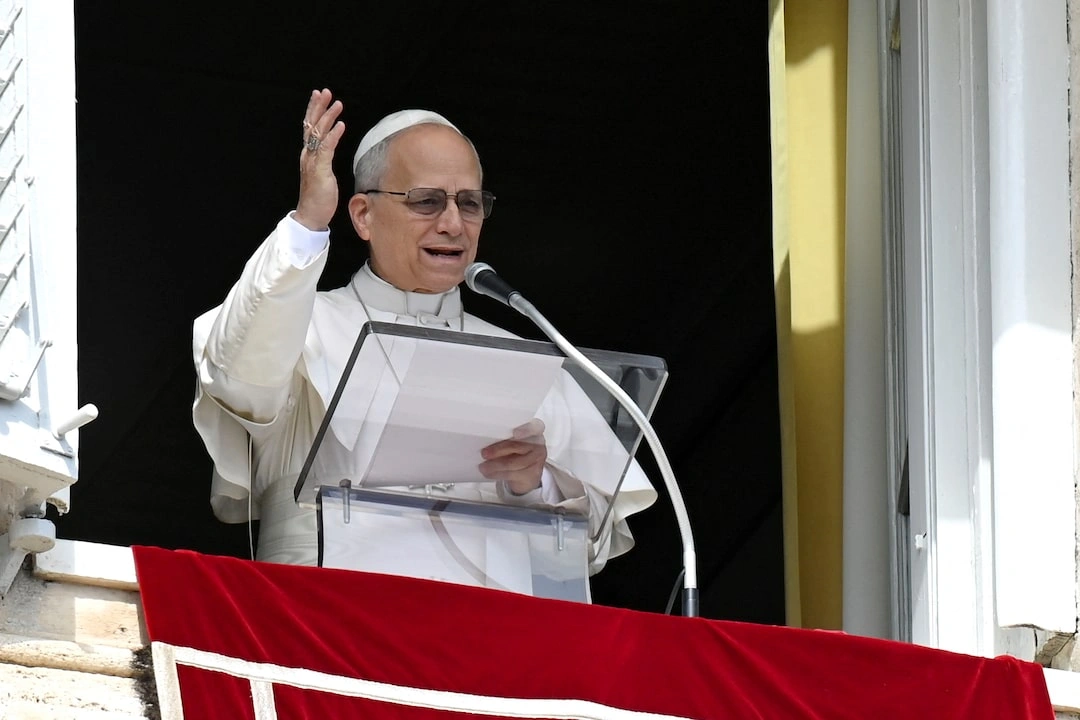
Under the leadership of Pope Leo XIV, the Holy See has adopted a more measured and strategic posture. Rather than escalating conflict or retreating from engagement, the Vatican is refining its approach to reflect a changing legal and political environment. This reassessment reflects realism rather than retreat.
A Changing Legal Landscape for Religious Institutions
One of the main drivers of reassessment is the changing legal environment facing religious institutions. In many countries, laws affecting education, charity, governance, and public expression of belief have become more complex and restrictive.
The Vatican recognizes that traditional assumptions about Church-state relations no longer apply universally. Legal frameworks differ widely, and confrontational responses can sometimes worsen outcomes. As a result, the Holy See is emphasizing careful legal analysis and long-term positioning rather than immediate resistance.
This approach allows the Church to defend its rights while avoiding unnecessary escalation that could limit its ability to operate freely.
From Confrontation to Strategic Engagement
In the past, Church-state tensions were often addressed through public confrontation or strong declarative statements. While this approach clarified positions, it also risked hardening opposition. The Vatican’s current reassessment favors strategic engagement over direct conflict.
This does not mean compromise on principle. Instead, it reflects an understanding that sustained dialogue can protect religious space more effectively than public standoffs. Quiet negotiation and legal engagement often achieve outcomes that confrontation cannot.
Strategic engagement also preserves relationships. States are more likely to cooperate when dialogue remains open, even amid disagreement.
Protecting Religious Freedom Through Law
Religious freedom remains a core concern of the Holy See. The Vatican’s reassessment emphasizes legal pathways as essential tools for protecting this freedom. Engagement with constitutional frameworks, international law, and human rights mechanisms has become increasingly important.
By grounding its arguments in legal principles rather than moral assertion alone, the Vatican strengthens its position in secular contexts. This approach resonates with courts and policymakers who may not share theological commitments but recognize legal obligations.
Legal clarity also supports local churches. When the Holy See provides strong legal frameworks, dioceses are better equipped to navigate state pressure.
Avoiding Political Alignment
Another reason for reassessment is the risk of political alignment. In polarized environments, Church positions can be interpreted as partisan, even when rooted in moral teaching. The Vatican is increasingly careful to avoid being drawn into domestic political conflicts.
By maintaining distance from party politics, the Holy See protects its moral independence. This allows it to engage with governments across ideological lines without compromising credibility.
Avoiding alignment also helps preserve unity within the Church. Catholics hold diverse political views, and the Vatican seeks to speak above partisan division rather than reinforce it.
Supporting Local Churches Under Pressure
Church-state tensions are often experienced most acutely at the local level. Bishops and institutions face legal and regulatory challenges that require support from the center. The Vatican’s reassessment includes stronger coordination and guidance for local churches navigating state pressure.
Rather than issuing uniform directives, the Holy See provides principles and legal support that can be adapted locally. This flexibility acknowledges that legal realities differ across jurisdictions.
Supporting local churches in this way strengthens global coherence while respecting national contexts.
Conclusion
The Vatican’s reassessment of its approach to Church-state tensions reflects a pragmatic response to a changing world. By prioritizing legal engagement, strategic dialogue, and political independence, the Holy See seeks to protect religious freedom without escalating conflict. This measured strategy strengthens the Church’s ability to operate credibly and sustainably amid evolving legal and political pressures.