
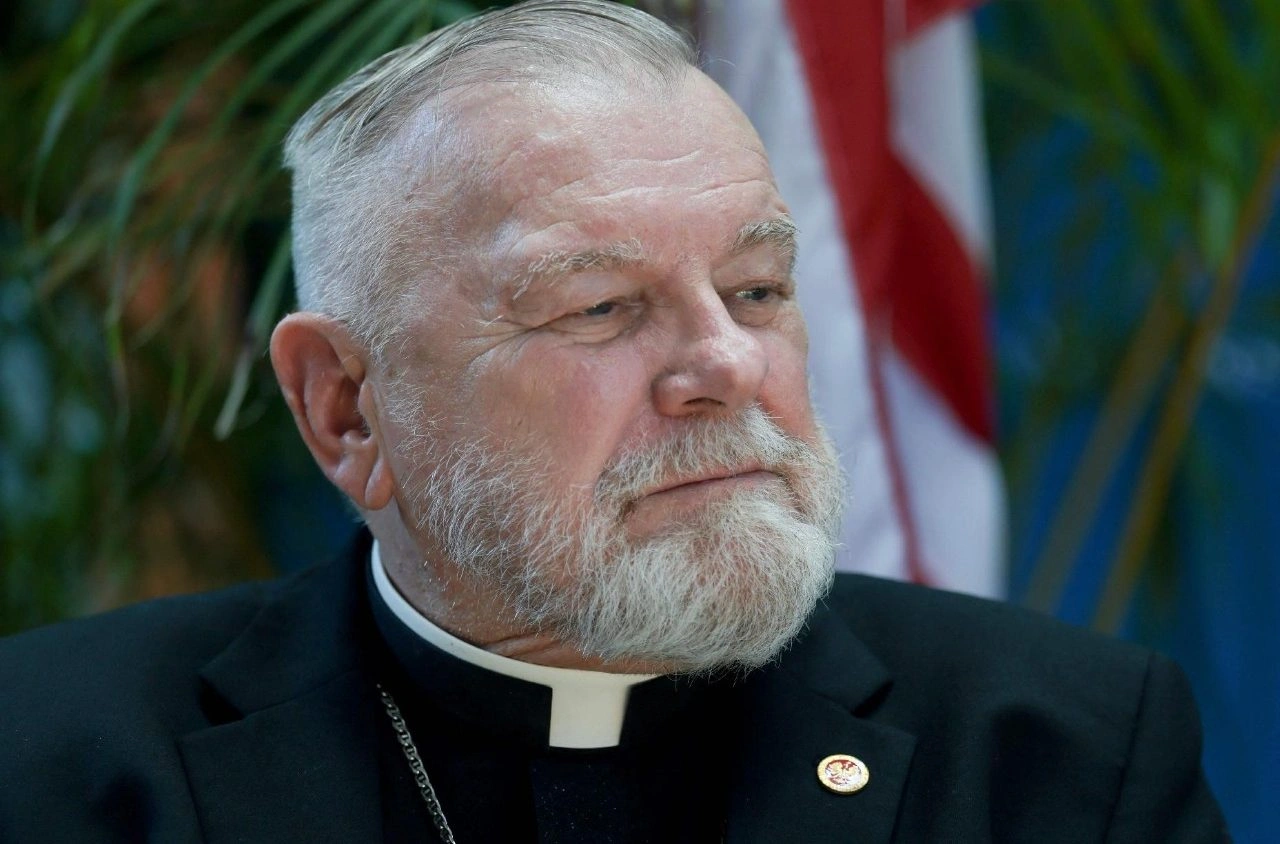
Why the Church Is Choosing Engagement Over Confrontation with States


Relations between the Catholic Church and political authorities have entered a more complex phase. Across many regions, governments are expanding regulatory oversight, redefining public space, and revisiting the legal boundaries of religion. These developments have created pressure points that once might have led to public confrontation between Church and state.
In response, the Church has increasingly opted for engagement rather than escalation. Under the leadership of Pope Leo XIV, this approach reflects a strategic reassessment of how best to protect religious freedom, institutional autonomy, and pastoral presence in a changing legal environment. Engagement is being treated not as concession, but as a disciplined form of advocacy.
Engagement as a Strategy for Institutional Protection
One of the primary reasons the Church favors engagement is its effectiveness in protecting long-term institutional interests. Public confrontation can clarify disagreement, but it can also harden positions and invite retaliatory measures. Engagement allows space for negotiation before disputes become entrenched.
By maintaining open channels with state authorities, the Church can address concerns early and shape outcomes more constructively. Dialogue enables the articulation of religious freedom in legal and civic terms that governments are more likely to recognize.
This strategy reflects realism. In many jurisdictions, confrontation risks marginalization, while engagement preserves influence and operational space for Church institutions.
Navigating Expanding Regulatory Power
Modern states increasingly govern through regulation rather than ideology. Education standards, charitable compliance, data protection, and employment law now shape how religious institutions function. Confrontation in these areas often yields limited results.
Engagement allows the Church to participate in regulatory processes rather than respond after rules are finalized. By contributing legal and ethical perspectives early, the Church can help shape frameworks that respect religious identity.
This proactive posture reduces the likelihood of legal conflict. It positions the Church as a stakeholder rather than an adversary, which can lead to more balanced outcomes.
Preserving Moral Independence
Choosing engagement does not mean surrendering moral authority. On the contrary, it helps preserve it. When the Church engages respectfully and consistently, its moral voice is less likely to be dismissed as ideological or partisan.
Public confrontation can sometimes blur the line between moral teaching and political activism. Engagement allows the Church to maintain independence by focusing on principles rather than power struggles.
This distinction is critical in polarized societies. By avoiding alignment with political factions, the Church remains accessible to diverse communities and credible across ideological lines.
Supporting Local Churches Under Legal Pressure
Church state tensions are rarely abstract. They are experienced most acutely by local dioceses, schools, and charities navigating national legal systems. Engagement at the diplomatic and institutional level provides critical support to these local actors.
When the Holy See engages states constructively, it creates space for local churches to operate without becoming focal points of conflict. Guidance from the center helps local leaders respond with confidence and consistency.
This layered approach strengthens unity. It ensures that engagement at the global level translates into practical protection at the local level.
Learning from Past Confrontations
The Church’s preference for engagement is also informed by experience. Past confrontations have sometimes resulted in reduced access, legal setbacks, or diminished pastoral presence. These outcomes have prompted reassessment.
Engagement allows lessons from those experiences to inform current strategy. It emphasizes patience, legal competence, and sustained dialogue over symbolic resistance.
This learning process reflects institutional maturity. It acknowledges that influence is often preserved through persistence rather than intensity.
Engagement as a Long Term Witness
Beyond immediate outcomes, engagement serves the Church’s long-term witness. It demonstrates commitment to dialogue, peace, and cooperation even amid disagreement. This posture aligns with the Church’s broader social teaching on the common good.
Engagement also models restraint and responsibility. It shows that moral conviction can coexist with respect for civic order. This example carries weight in societies searching for alternatives to constant conflict.
By choosing engagement, the Church reinforces its identity as a moral presence that seeks coexistence rather than dominance.
Conclusion
The Church’s choice of engagement over confrontation reflects a strategic and pastoral response to modern state power. Through dialogue, legal participation, and institutional restraint, it seeks to protect religious freedom while preserving credibility and presence. In a complex legal world, engagement has become the Church’s most effective means of sustaining its mission without compromising its principles.