
How Governance Inside the Vatican Is Quietly Evolving


Governance inside the Vatican rarely changes through dramatic announcements or visible restructuring. Instead, it tends to evolve through gradual adjustments in process, coordination, and leadership culture. In recent years, these quieter shifts have become increasingly evident, signaling a transformation that is more administrative than symbolic.
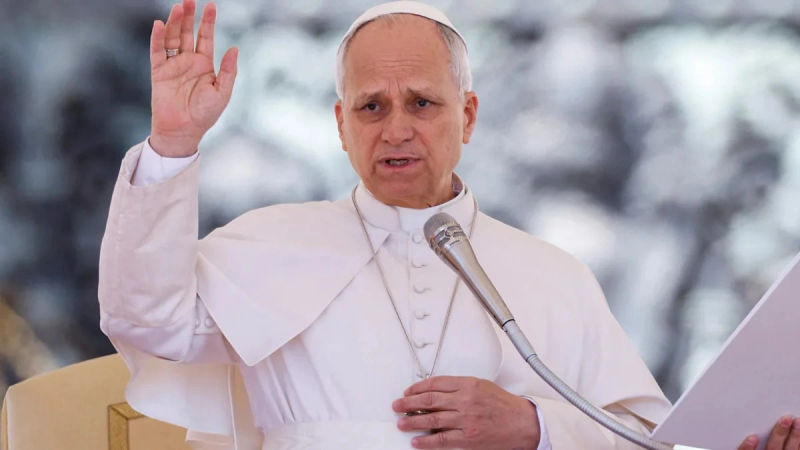
Under the leadership of Pope Leo XIV, governance within the Vatican continues to move in this measured direction. Rather than pursuing headline reforms, the emphasis has been on strengthening internal systems, clarifying responsibilities, and reinforcing institutional discipline. This evolution reflects a broader understanding that sustainable governance depends on consistency more than spectacle.
From Personality Driven Leadership to Process Driven Governance
One of the most significant changes within Vatican governance is the move away from personality driven decision making toward process driven structures. Authority is increasingly exercised through defined procedures rather than individual discretion.
This shift reduces dependence on informal influence and strengthens institutional continuity. When decisions are guided by established processes, governance becomes more predictable and resilient. This is particularly important in a system where leadership roles change but institutional responsibility remains constant.
Process driven governance also supports accountability. Clear procedures make it easier to evaluate decisions and ensure that responsibilities are understood across departments. This strengthens trust internally and reinforces professionalism.
Strengthening Coordination Across Dicasteries
The Vatican’s administrative structure involves multiple dicasteries with overlapping mandates. Historically, coordination between these bodies has relied heavily on personal relationships. Recent governance evolution places greater emphasis on structured coordination.
Shared reporting standards, clearer communication channels, and defined areas of responsibility have improved cooperation. This reduces duplication and minimizes conflicting initiatives. When dicasteries operate with greater awareness of each other’s work, governance becomes more coherent.
Improved coordination also supports strategic planning. Rather than reacting independently to issues, departments can align priorities and timelines. This enhances the Vatican’s capacity to manage complex global responsibilities.
Emphasis on Institutional Discipline
Another feature of evolving governance is renewed attention to institutional discipline. This does not imply rigidity, but rather consistency in how rules and procedures are applied.
Institutional discipline ensures that governance is not subject to shifting interpretations. It creates stability by reinforcing shared expectations. For an institution with global reach, this consistency is essential.
Discipline also supports reform efforts. When governance standards are applied evenly, reforms can be integrated more smoothly. This avoids perceptions of arbitrariness and reinforces legitimacy.
Professionalization of Administrative Roles
Governance evolution is also evident in the professionalization of administrative roles. Experience, competence, and technical expertise are increasingly prioritized in leadership appointments within Vatican offices.
This professional focus reflects recognition that modern governance requires specialized skills. Financial oversight, legal compliance, and global coordination demand expertise alongside pastoral understanding.
Professionalization strengthens the Vatican’s credibility. It signals seriousness in governance and reassures both internal and external stakeholders that responsibilities are handled with care.
Balancing Central Authority and Delegated Responsibility
While central coordination remains essential, Vatican governance has also refined how responsibility is delegated. Clearer boundaries define what decisions are made centrally and what is entrusted to specific offices or local structures.
This balance prevents overcentralization while maintaining coherence. Delegated responsibility allows governance to function efficiently without constant intervention from the center.
Clear delegation also empowers officials to act confidently within their mandates. This reduces bottlenecks and improves responsiveness while preserving accountability.
A Culture of Gradual Adaptation
Rather than pursuing abrupt change, Vatican governance evolves through gradual adaptation. This reflects an understanding that institutions built over centuries require careful adjustment.
Gradual change allows systems to absorb reforms without disruption. It also encourages learning and correction as new processes are implemented.
This culture of adaptation aligns with the Vatican’s broader leadership style under Pope Leo XIV. Governance is treated as stewardship, focused on long-term stability rather than immediate transformation.
Conclusion
Governance inside the Vatican is evolving through quiet but meaningful shifts in process, coordination, and professional discipline. By emphasizing structured decision making, institutional clarity, and gradual adaptation, the Vatican is strengthening its administrative foundations. These changes may not command public attention, but they play a critical role in ensuring that the Church’s central institutions remain resilient, credible, and effective in a complex global environment.