
What the Shift Toward the Global South Means for the Future of the Church
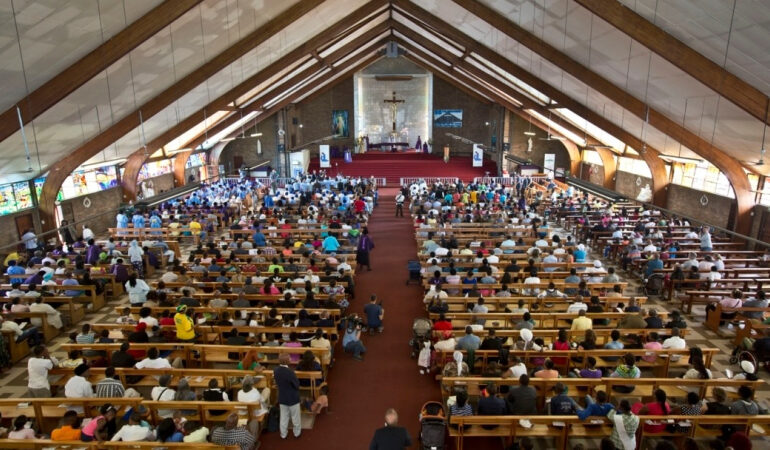

The demographic center of the Catholic Church has been steadily moving away from its historical strongholds in Europe and toward the Global South. Regions such as Africa, Latin America, and parts of Asia now account for the majority of the world’s Catholics, shaping how faith is lived, expressed, and sustained. This shift is not a temporary trend but a structural transformation with long-term implications for the Church’s future.
Rather than treating this change as merely statistical, Church leadership increasingly understands it as formative. Under the leadership of Pope Leo XIV, the Vatican is responding to this reality with greater attentiveness to voices, priorities, and pastoral realities emerging from the Global South. The future of the Church is being shaped where growth, participation, and lived faith are strongest.
Demographic Reality as a Driver of Change
The growth of Catholic populations in the Global South is reshaping the Church’s internal balance. In many of these regions, the Church is not shrinking or retreating but expanding through vibrant communities, strong parish life, and active participation.
This demographic reality influences priorities. Issues such as education, healthcare, poverty, migration, and social stability take on greater urgency. The Church’s future agenda increasingly reflects these lived concerns rather than debates rooted in declining participation.
Demography also affects leadership formation. Clergy and lay leaders emerging from these contexts bring different pastoral instincts shaped by proximity to social need and communal faith life.
A Shift in Pastoral Emphasis
The Global South often experiences faith as a communal and public reality rather than a private choice. This influences how the Church approaches pastoral care and mission.
Pastoral emphasis in these regions often centers on accompaniment, service, and community resilience. The Church is deeply embedded in daily life through schools, hospitals, and social programs. This experience informs a future Church that prioritizes presence and service over abstraction.
As these perspectives gain influence, pastoral models shaped by lived solidarity increasingly inform global practice.
Rethinking Leadership and Representation
The shift toward the Global South also raises questions of representation. As Catholic life flourishes outside traditional centers, leadership structures must reflect this reality to maintain credibility and coherence.
Greater representation from the Global South within Church governance strengthens legitimacy. It ensures that decision-making reflects the lived experience of the majority of Catholics rather than historical precedent alone.
This does not diminish the Church’s universality. Instead, it deepens it by aligning leadership with reality on the ground.
Theological Expression in Emerging Contexts
Theological reflection in the Global South often emerges from engagement with suffering, injustice, and hope. Faith is articulated in dialogue with real social conditions rather than abstract debate.
This does not alter doctrine but influences emphasis. Themes such as dignity, solidarity, and hope receive greater attention. Theology becomes closely connected to lived experience.
As these voices gain prominence, the Church’s theological language becomes more globally resonant and pastorally grounded.
A Different Relationship With Culture and Society
In many parts of the Global South, the Church operates within societies where faith remains publicly relevant. This contrasts with secularized contexts where religious institutions often function defensively.
This difference shapes the Church’s future posture. Engagement is often proactive rather than reactive. Faith communities act as stabilizing social forces rather than countercultural minorities.
Learning from these contexts helps the Church navigate global diversity without assuming a single cultural trajectory.
Implications for the Universal Church
The shift toward the Global South challenges the Church to think globally rather than regionally. No single cultural model can define Catholic life. Universality must be expressed through plurality.
This requires humility and listening. The future Church will be shaped less by inherited assumptions and more by shared faith expressed in diverse ways.
The Global South does not replace one center with another. It broadens the Church’s horizon, ensuring that its future reflects its true global character.
Conclusion
The shift toward the Global South is redefining the future of the Catholic Church. As demographic growth, pastoral vitality, and lived faith increasingly emerge from these regions, the Church’s priorities, leadership, and mission evolve accordingly. By embracing this transformation, the Church strengthens its universality and positions itself for a future shaped by global reality rather than historical legacy.