
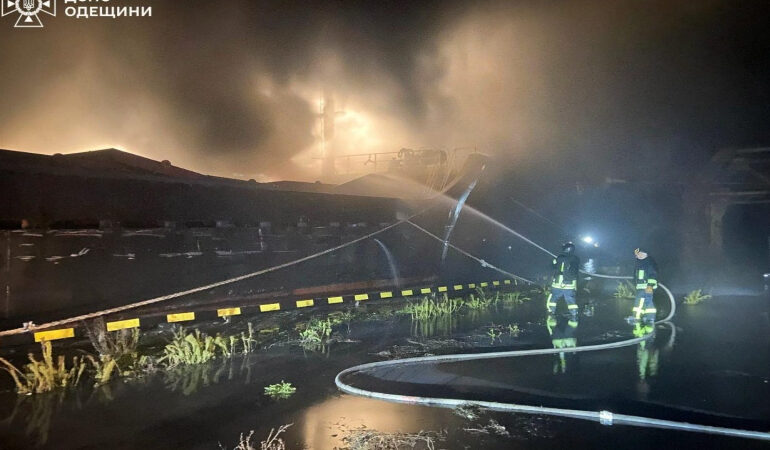

Ukraine entered the final days before Christmas under renewed fear after a wave of Russian missile and drone strikes swept across the country, deepening the humanitarian strain of a war now approaching its fourth year. Residents in multiple regions were awakened by air raid sirens as hundreds of drones and dozens of missiles targeted cities and energy infrastructure during one of the largest assaults in recent weeks. Ukrainian authorities reported civilian deaths, including a young child, alongside widespread damage to homes and power facilities. With temperatures well below freezing, electricity outages spread across large parts of the country, leaving families without heat or light at a moment traditionally associated with shelter and togetherness. While air defenses intercepted many incoming threats, officials acknowledged that the scale of the attack overwhelmed protections in several areas. The timing, so close to Christmas, intensified the sense that civilian hardship remains an accepted cost of the conflict rather than an unintended consequence.
Ukrainian President Volodymyr Zelenskyy condemned the strikes as a deliberate act aimed at civilians, stressing that the assault came at a moment when families hope for safety and rest. He said the attack reflected an unwillingness to halt the cycle of killing, even during a religious season centered on peace. The strikes occurred against the backdrop of renewed diplomatic activity, including discussions involving representatives linked to former United States President Donald Trump and Russian and Ukrainian officials. Proposed frameworks circulating in those talks reportedly include territorial concessions and limits on Ukraine’s future alliances, conditions Kyiv has warned would undermine sovereignty and long-term security. Trump has publicly argued that deep personal hostility between Zelenskyy and Russian President Vladimir Putin complicates any effort to reach a settlement, a view underscored by the continuation of large scale military action.
Beyond Ukraine’s borders, the attack heightened anxiety across Europe, with neighboring NATO states moving to protect their airspace as missiles and drones crossed regions close to alliance territory. Poland confirmed that it scrambled fighter jets during the assault, reflecting broader concerns about escalation and spillover risk. For the Holy See and the wider Christian world, the violence cast a long shadow over Christmas, a season traditionally marked by appeals to reconciliation and the protection of the vulnerable. The renewed strikes reinforced a growing ethical tension confronting global leaders and faith communities alike: how to speak credibly about peace when war continues to disregard both holy days and civilian life. As Ukraine braces for further attacks amid winter conditions, the contrast between the message of Christmas and the reality on the ground could not be starker, raising renewed moral questions about responsibility, restraint, and the urgency of genuine peacemaking.