Gaza Christians Hold Christmas Faith Amid Ceasefire Fragility
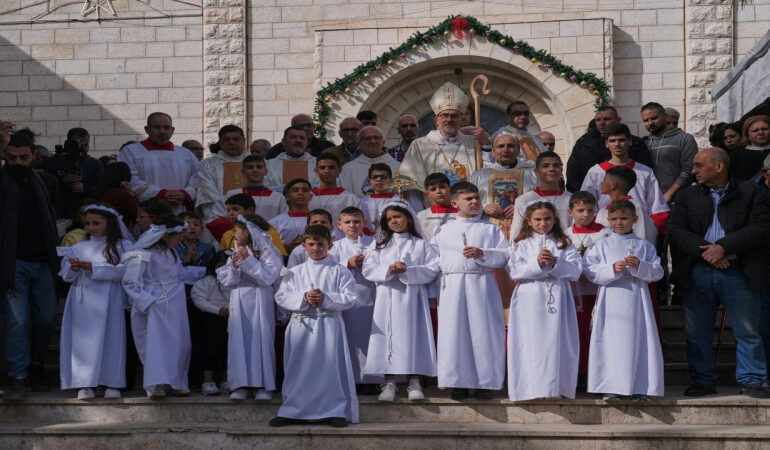

In Gaza, a fragile ceasefire has allowed the territory’s tiny Christian community to approach Christmas with cautious hope, even as loss and uncertainty remain deeply present. Inside church compounds that now double as shelters, hymns and modest gift exchanges have replaced the larger celebrations once shared with extended families and neighbors. Elderly parishioners and young families alike describe Christmas this year as quieter and more restrained, shaped by grief, displacement, and memories of violence that have not faded. Many Christians have been living for months or years within church grounds after losing homes or access to basic services. For them, the season is less about festivity and more about endurance. Decorations are simple, gatherings are brief, and prayers carry the weight of survival. Yet within these limited expressions, faith continues to provide meaning, offering moments of spiritual shelter in a place where physical security remains uncertain and the future unclear.
Ahead of Christmas, Cardinal Pierbattista Pizzaballa visited the Holy Family Catholic Church in Gaza City, marking the beginning of local Christmas observances. His presence carried symbolic importance for a community that has endured direct loss, including fatalities from strikes that hit church compounds sheltering displaced people. For many families, this Christmas is the first without loved ones killed during the conflict, making celebration feel incomplete or even painful. Some Christians have chosen to limit observances to prayer and liturgy, saying the wounds remain too fresh for outward joy. Others speak of living in a state where peace has not fully arrived and war has not fully ended. Although the ceasefire has reduced large scale violence, sporadic attacks and constant fear persist. Within this fragile calm, church gatherings offer not escape but solidarity, affirming presence and dignity in the midst of unresolved suffering.
The war has also accelerated the departure of Christians from Gaza, raising concerns about the future of an already small community. Younger generations increasingly look abroad for education or safety, while those who remain worry about the long term survival of Christian life in the territory. Despite this, parents continue to decorate small trees and light candles for their children, trying to create moments of normalcy and reassurance. Mothers speak of joy returning briefly to children who can sleep without immediate fear of explosions, even as trauma lingers. For those who stay, remaining in Gaza is an act of witness rather than defiance. They describe their continued presence as a testimony of faith, love, and attachment to the land. Christmas, even stripped of celebration, becomes an affirmation that hope has not been extinguished, only tested.