Catholic Bishops Urge Mercy as Holiday Enforcement Continues

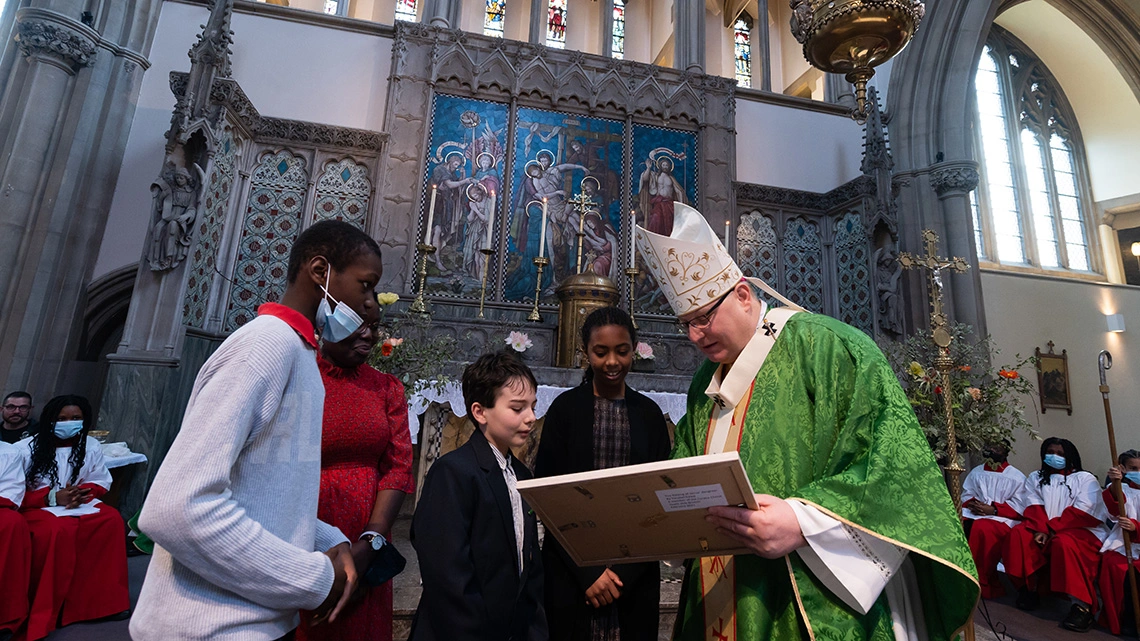
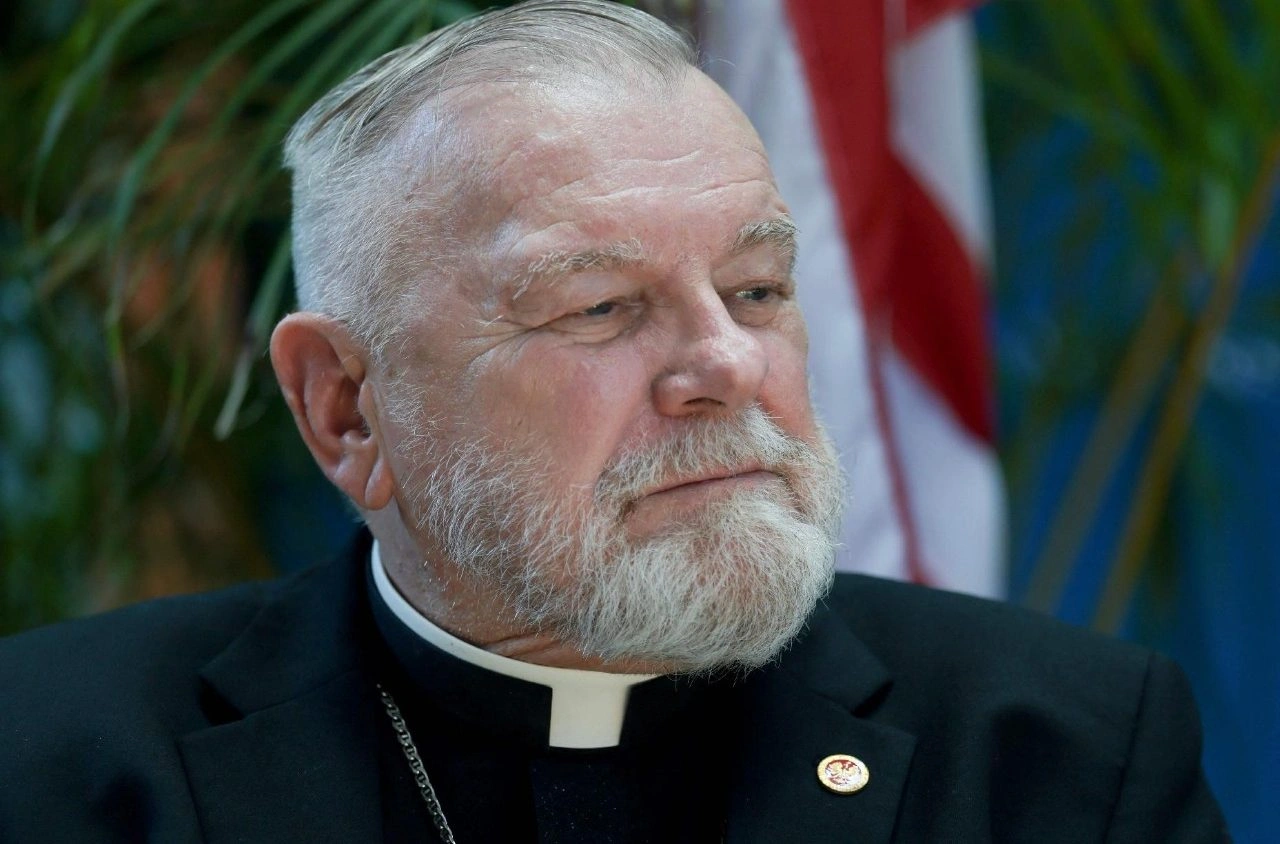
As Christmas approaches, a public appeal from Catholic bishops in Florida has highlighted growing tension between pastoral concerns and federal immigration policy. Thomas Wenski, speaking on behalf of the Florida Conference of Catholic Bishops, called on President Donald Trump to pause immigration enforcement activities during the holiday season. The request emphasized the human impact of large scale enforcement operations that extend beyond individuals with criminal records. According to the bishops, families and communities are experiencing heightened fear as arrests increasingly involve people whose only offense is lacking legal status while contributing to local economies. The appeal framed Christmas as a moment for restraint and compassion, arguing that a temporary pause would acknowledge the dignity of families seeking stability and safety. The letter did not question the legitimacy of enforcement itself but urged a more measured approach during a season closely associated with mercy and care for the vulnerable.
The response from the White House was brief and firm, signaling no change in policy. Officials stated that immigration enforcement would continue uninterrupted, underscoring the administration’s commitment to removing undocumented individuals with criminal records. The reply did not address the bishops’ call for a seasonal pause or the broader humanitarian concerns raised. This exchange reflects a wider national debate over how immigration laws are applied and the balance between security priorities and community stability. Catholic leaders argue that aggressive enforcement creates ripple effects that reach far beyond those directly targeted, disrupting families and parish life. The bishops stressed that many affected households include citizens and legal residents who now live with uncertainty, especially children for whom the holiday season has become a time of anxiety rather than celebration.
Archbishop Wenski has long been a prominent voice advocating for humane treatment of migrants, grounding his position in both social teaching and direct pastoral engagement. He has repeatedly highlighted the role immigrants play across sectors such as agriculture, health care, construction, and service industries, calling them essential contributors rather than threats. Beyond public statements, his ministry has included visits to detention facilities and prayer with those held inside, gestures intended to affirm dignity in difficult circumstances. For the bishops, the request for a Christmas pause was less a political challenge than a moral appeal rooted in faith. The refusal to grant it has sharpened questions about how a nation shaped by religious traditions responds to vulnerable populations during moments meant to embody compassion and goodwill.