


Caritas Challenges UK Asylum Policy on Moral Grounds
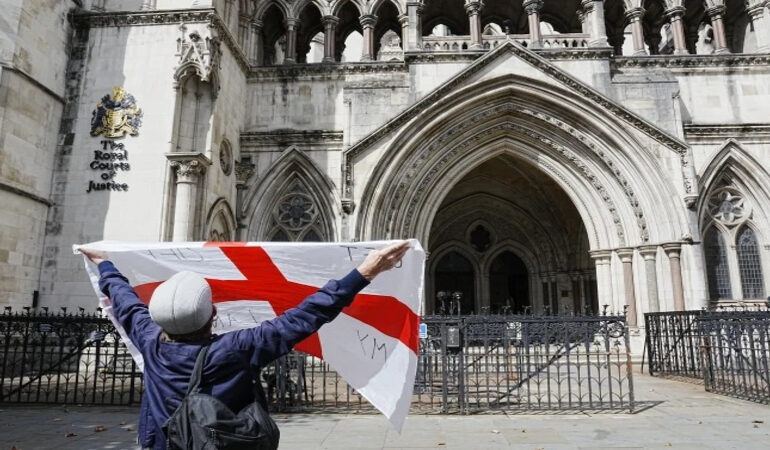

Catholic leaders in England and Wales have raised serious moral concerns over proposed changes to the United Kingdom’s asylum system, warning that the new framework risks undermining human dignity and Gospel values. The criticism was voiced by Caritas Social Action Network, the domestic agency of the Catholic Bishops’ Conference of England and Wales, following the government’s announcement of revised asylum rules. The proposals would significantly shorten the initial period of refugee protection and require repeated reassessments of safety in countries of origin. For those seeking refuge from persecution, the changes introduce prolonged uncertainty at a moment when stability is essential for rebuilding lives. Caritas leaders argue that the policies prioritize numerical control over the pastoral and humanitarian needs of people fleeing violence, poverty, and injustice, placing already vulnerable individuals in a state of extended insecurity rather than offering pathways toward integration and belonging.
Under the proposed system, refugees would wait far longer to secure permanent residence, with the qualifying period extended from five years to as many as twenty. During this time, individuals would face repeated applications and the possibility of removal if their country of origin is later deemed safe. Caritas warned that such measures would deepen psychological stress and hinder efforts to build stable family and community life. The proposals also include tighter restrictions on family reunion, a move the Catholic agency described as especially harmful. By limiting one of the few safe and legal routes for families to reunite, the policy risks forcing desperate people into dangerous journeys. According to Caritas, separating loved ones not only inflicts emotional harm but also increases exposure to exploitation and abuse, contradicting long held commitments to protect the vulnerable.
The Catholic agency also expressed concern that the new rules could reverse progress made in reducing immigration detention and safeguarding children and families from destitution. Drawing lessons from past injustices, including wrongful detention cases, Caritas cautioned that an emphasis on removals can weaken access to justice and lead to grave human consequences. The organization argued that stripping away safety nets would push asylum seekers into homelessness and poverty, eroding their dignity and social cohesion. For the Church, asylum policy is not merely administrative but deeply ethical, touching on responsibility toward strangers and the protection of life. Caritas urged policymakers to reconsider the proposals, calling for an approach rooted in compassion, solidarity, and respect for the inherent worth of every person seeking refuge.