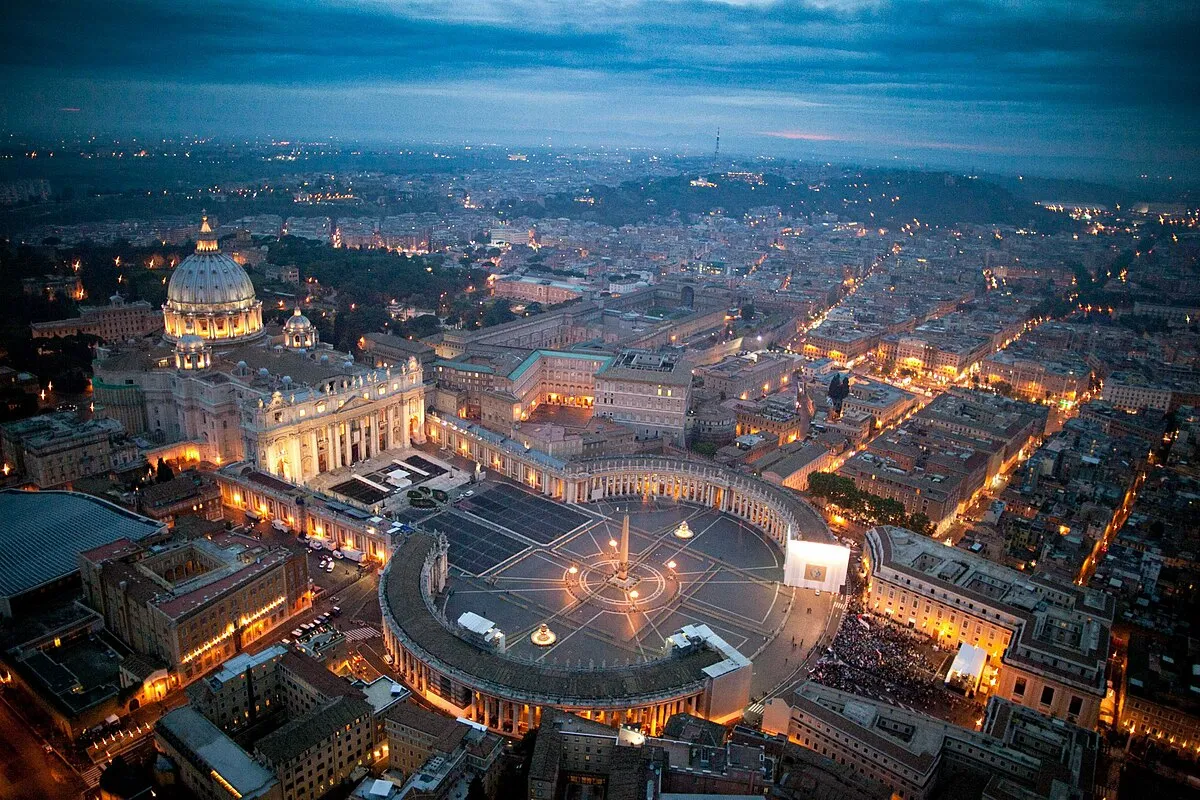
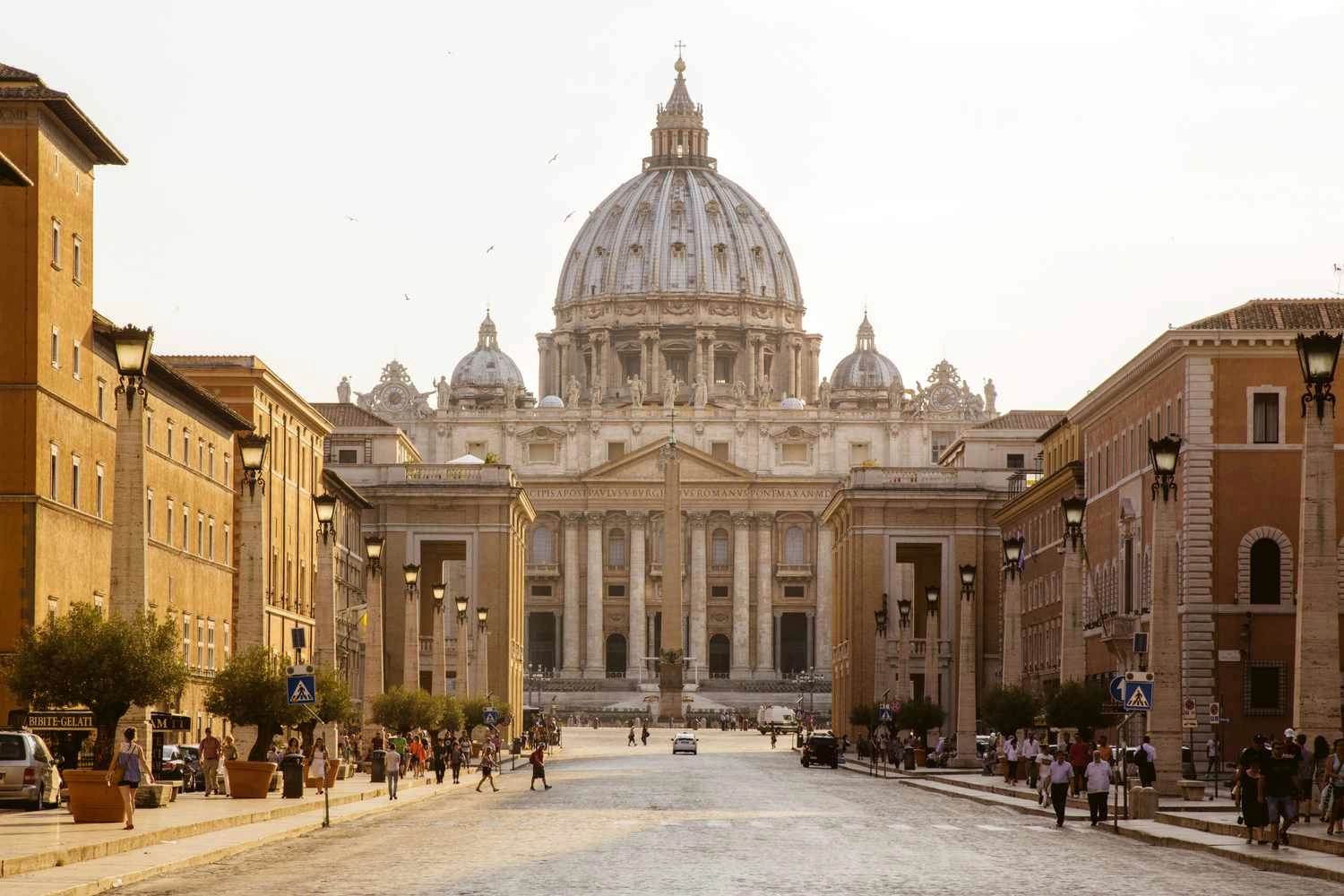

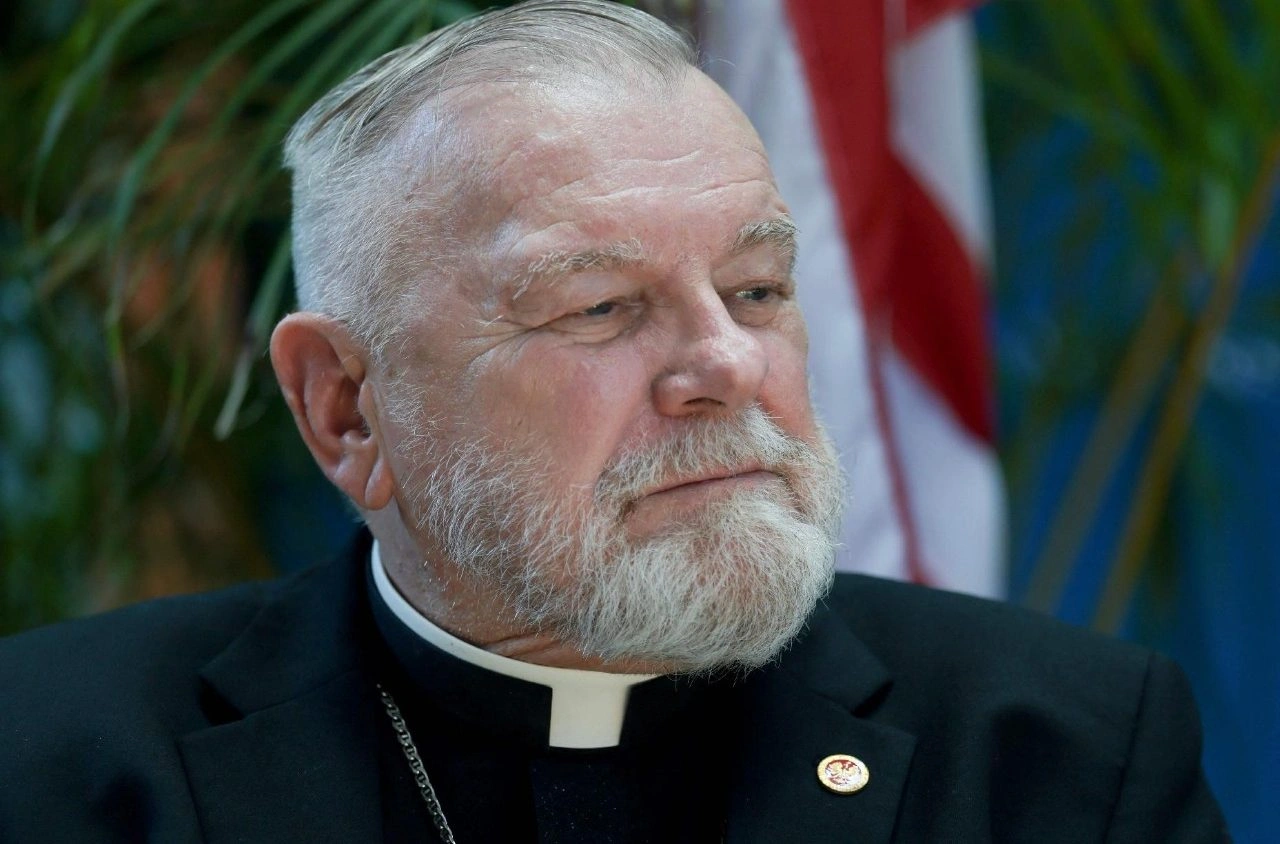
Why the Vatican Is Slowing Reform Timelines to Preserve Institutional Balance
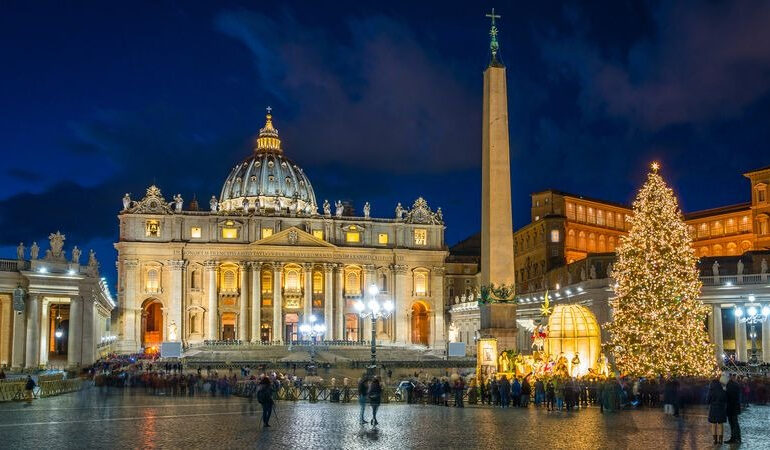

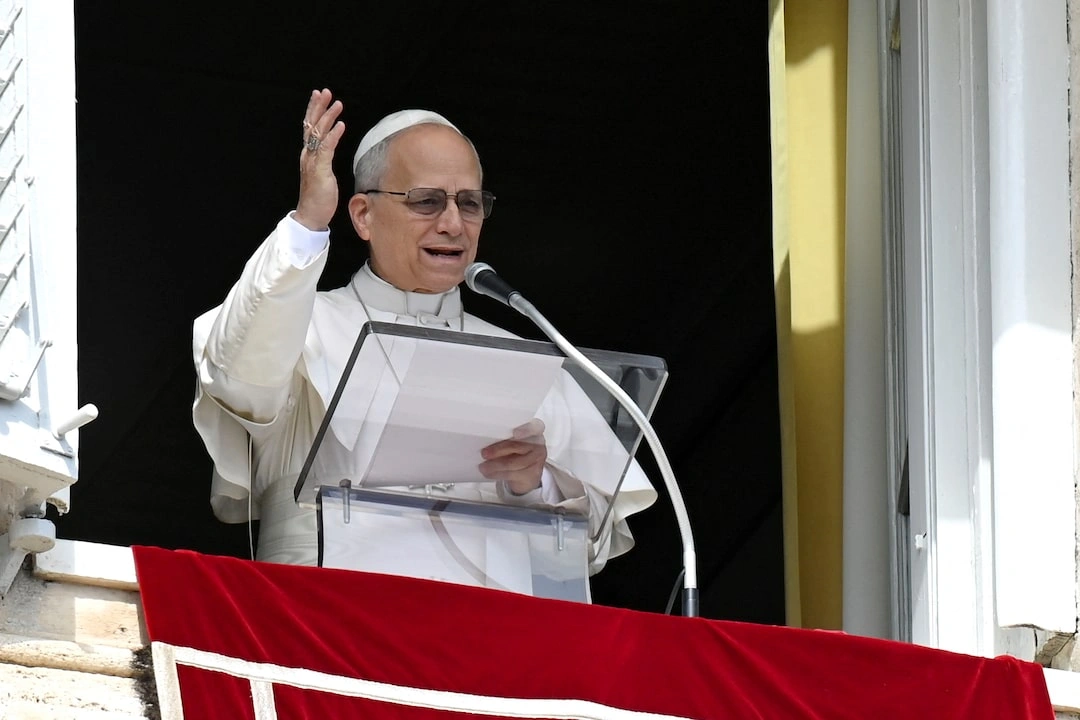
Institutional reform within the Vatican has always unfolded at a measured pace, shaped by history, global responsibility, and the need for internal coherence. In the period following the papal transition to the leadership of Pope Leo XIV, that pace has become even more deliberate. Rather than accelerating structural changes, the Vatican is signaling a clear intention to slow reform timelines in order to preserve institutional balance.
This approach reflects a realistic assessment of the Church’s position in a complex world. The Vatican governs a global institution that spans cultures, legal systems, and political environments. Rapid reform may satisfy short term expectations, but it can also strain internal alignment. By choosing patience, the Holy See underscores its commitment to stability as the foundation for credible and lasting reform.
Preserving Balance Within a Global Institution
The most important reason behind the Vatican’s slower reform timelines is the need to preserve institutional balance. The Roman Curia and associated Vatican bodies operate as interconnected systems. Changes introduced too quickly can disrupt coordination, dilute accountability, and create unintended consequences across departments.
By slowing the pace, Vatican leadership ensures that each adjustment is evaluated within the broader institutional framework. Balance is maintained between continuity and adaptation, allowing reforms to strengthen governance rather than fragment it. This careful calibration reflects an understanding that institutional health depends on alignment more than speed.
Learning From Past Reform Cycles
The Vatican’s current approach is also shaped by lessons drawn from previous reform cycles. History has shown that structural changes introduced without sufficient integration can generate resistance and operational confusion. Slower timelines allow leadership to assess what has worked, what requires refinement, and what should remain unchanged.
This reflective posture does not signal reluctance to reform. Instead, it demonstrates institutional memory. By building on experience, the Vatican seeks to avoid reform fatigue and ensure that changes enhance functionality rather than merely signaling action.
Reform as a Process, Not a Deadline
Another defining feature of the Vatican’s strategy is the rejection of reform as a deadline driven exercise. Under the current leadership, reform is treated as an ongoing process rather than a sequence of announcements. This reduces pressure on individual offices and encourages thoughtful participation across governance structures.
Viewing reform as process allows for consultation, testing, and gradual implementation. It also reinforces trust among those responsible for execution. When timelines are realistic, reforms are more likely to be absorbed into daily operations and sustained over time.
Maintaining Credibility Through Measured Change
Institutional credibility is closely tied to consistency. For the Vatican, credibility is not only theological but administrative. Rapid shifts can create uncertainty among global partners, including dioceses, diplomatic counterparts, and international organizations.
By slowing reform timelines, the Holy See reassures stakeholders that governance remains predictable and reliable. This steadiness strengthens the Vatican’s ability to engage globally without appearing unsettled or reactive. Measured change communicates confidence rather than hesitation.
Governance Stability as a Strategic Choice
The decision to preserve institutional balance through slower reform is ultimately a strategic one. Governance stability allows the Vatican to function effectively during periods of transition and external pressure. It ensures that leadership changes do not translate into operational disruption.
Under Pope Leo XIV, this strategy aligns with a broader emphasis on disciplined stewardship. Authority is exercised through careful management rather than accelerated transformation. Stability becomes an asset that enables reform to occur without undermining institutional integrity.
Preparing for Sustainable Reform Outcomes
Slowing reform timelines does not mean abandoning reform objectives. Instead, it prepares the ground for outcomes that are sustainable and coherent. By strengthening internal alignment first, the Vatican increases the likelihood that reforms will endure beyond initial implementation.
This approach reflects a long term view of governance rooted in patience and discernment. The Church’s institutional resilience has historically depended on its ability to evolve without losing coherence. Slower reform timelines help preserve that resilience while allowing for thoughtful modernization.
Conclusion
The Vatican’s decision to slow reform timelines reflects a deliberate effort to preserve institutional balance and governance stability. By prioritizing alignment, credibility, and long term sustainability over rapid change, the Holy See strengthens its capacity for meaningful reform. This measured approach ensures that transformation serves the institution rather than destabilizing it.