


The Global Church’s Shift From Expansion to Institutional Consolidation

For much of the twentieth century, the global Catholic Church was defined by expansion. New dioceses were established, missionary activity intensified, and institutional presence spread rapidly across continents. Growth was both geographical and demographic. Today, however, the Church is entering a different phase. Rather than prioritizing outward expansion, global leadership is increasingly focused on institutional consolidation.
This shift does not signal decline or retreat. Instead, it reflects a sober assessment of global realities. Demographic changes, cultural fragmentation, and administrative complexity have reshaped the Church’s operating environment. Consolidation emphasizes sustainability, coherence, and effective governance over numerical growth alone. The global Church is adjusting its priorities to ensure long term stability rather than short term expansion.
Consolidation as a Strategic Reorientation
The most important aspect of this shift is its strategic nature. Consolidation is not an abandonment of mission but a reordering of focus. The Church recognizes that growth without institutional strength can weaken credibility and strain governance.
By consolidating structures, leadership aims to ensure that existing institutions function effectively. This includes strengthening diocesan administration, clergy formation, and financial accountability. Consolidation allows the Church to deepen presence where it already exists rather than extend itself beyond sustainable capacity.
Responding to Demographic and Cultural Change
Global demographics have changed significantly. In some regions, Catholic populations are stable or growing slowly, while in others they are declining or aging. Expansion strategies designed for earlier eras no longer align with these patterns.
Consolidation allows the Church to adapt to these realities. Resources are redirected toward pastoral care, education, and institutional support rather than continuous territorial growth. Cultural change also requires deeper engagement rather than broader reach. Consolidation supports formation over proliferation.
Strengthening Institutional Capacity
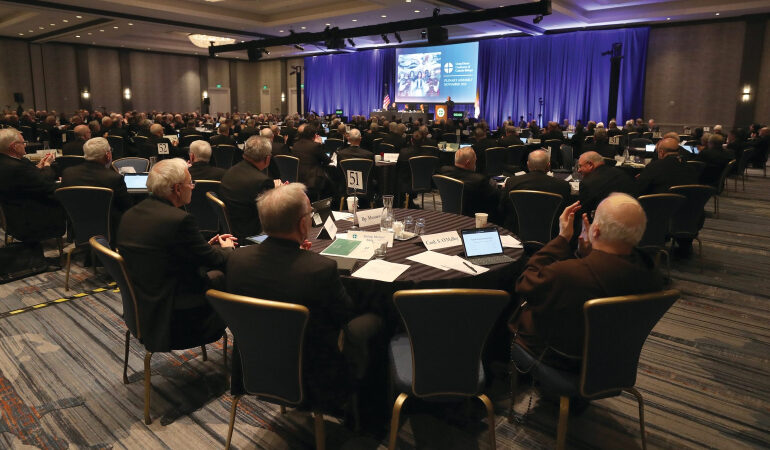
Institutional capacity has become a central concern. Managing schools, charities, parishes, and diocesan structures across diverse legal systems requires robust administration. Expansion increases complexity, often faster than governance systems can adapt.
By focusing on consolidation, the Church strengthens internal capacity. Governance structures are refined, oversight improved, and coordination enhanced. This ensures that institutions remain credible and resilient in environments of legal scrutiny and social change.
Mission Through Depth Rather Than Scale
The shift toward consolidation also reflects a change in how mission is understood. Rather than measuring success primarily through scale, the Church increasingly emphasizes depth of engagement.
Mission today involves formation, accompaniment, and witness within complex societies. Consolidation allows for sustained presence and deeper relationships. The Church invests in quality of engagement rather than quantity of institutions. This approach aligns mission with contemporary realities.
Avoiding Overextension in a Complex World
Overextension poses significant risks. Rapid expansion can dilute leadership capacity, strain finances, and reduce accountability. In a world of heightened transparency and regulation, these risks carry greater consequences.
Consolidation mitigates overextension by aligning ambition with capacity. The Church becomes more selective in growth, ensuring that new initiatives are supported by durable structures. This protects both mission and credibility.
Governance and Unity in a Consolidation Phase
Consolidation also supports global unity. When institutions proliferate rapidly, maintaining coherence becomes more difficult. Diverse practices can emerge without adequate coordination.
By consolidating, the Church reinforces shared governance standards. Unity is strengthened through alignment rather than expansion. This ensures that diversity operates within a cohesive global framework.
Learning From Historical Cycles
The Church’s history includes periods of expansion followed by consolidation. Each cycle reflects adaptation to changing conditions. The current shift aligns with this historical pattern.
Consolidation allows institutions to mature, stabilize, and prepare for future growth when conditions permit. It is not an end state but a phase of refinement. Historical experience informs this measured approach.
Long Term Sustainability as the Goal
At its core, the shift from expansion to consolidation is about sustainability. The Church seeks to remain present, credible, and effective across generations. Sustainable institutions support enduring mission.
By consolidating now, the global Church invests in resilience. It strengthens foundations rather than chasing expansion for its own sake. This ensures that future growth, when it occurs, rests on solid ground.
Conclusion
The global Church’s shift from expansion to institutional consolidation reflects a strategic commitment to sustainability, coherence, and effective governance. By prioritizing depth over scale and strength over spread, the Church adapts to contemporary realities while preserving long term mission. Consolidation ensures that the global Church remains resilient, unified, and capable of enduring service in a complex world.