How the Vatican Uses Historical Memory to Shape Present-Day Governance
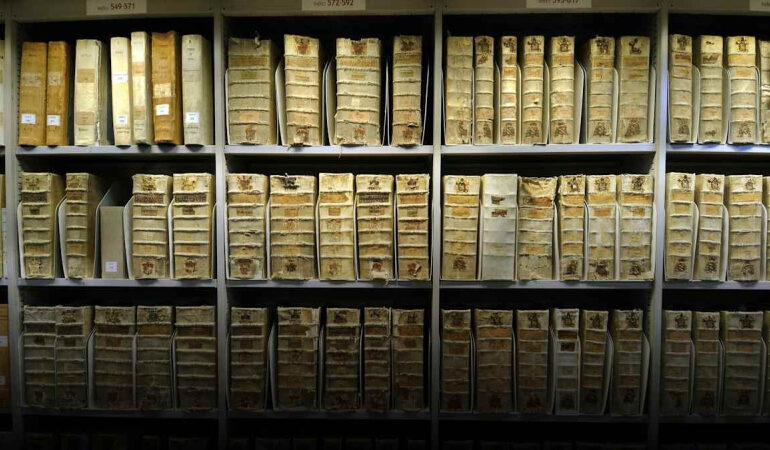

The Vatican is one of the world’s oldest continuously functioning institutions, and its approach to governance is inseparable from its historical memory. Unlike modern organizations that rely primarily on innovation and disruption, the Holy See draws heavily on accumulated experience. Decisions made today are often informed by centuries of precedent, adaptation, and institutional learning. Historical memory functions not as nostalgia, but as a governing resource.
This reliance on history reflects an understanding that stability is built over time. The Vatican views governance as a long continuum rather than a sequence of isolated leadership moments. Past successes, failures, and compromises are preserved within institutional memory, shaping how authority is exercised in the present. History becomes a guide that tempers urgency and reinforces continuity.
Historical Memory as a Governance Tool
The most important role of historical memory in Vatican governance is its function as a practical tool. Records of previous reforms, crises, and transitions are studied to inform current decision making. Rather than reinventing governance models, the Vatican adapts structures that have demonstrated resilience across changing political and social environments.
This approach reduces risk. By understanding how similar challenges were managed in earlier periods, leadership can avoid repeating mistakes. Historical awareness encourages measured action and reinforces the value of patience. Governance becomes an exercise in refinement rather than experimentation.
Learning From Past Institutional Crises
The Vatican’s historical memory is particularly shaped by periods of crisis. Encounters with political upheaval, state pressure, and internal reform have left lasting institutional lessons. These experiences inform how governance responds to modern challenges without escalating instability.
Instead of reacting defensively, the Vatican often chooses gradual adjustment. This preference reflects historical knowledge that abrupt change can weaken institutional coherence. Memory of past disruptions encourages restraint and reinforces the importance of procedural order.
Continuity Across Leadership Transitions
Leadership transitions are moments when historical memory plays a crucial role. Papal changes do not reset governance. Instead, institutional memory ensures continuity of direction, policy, and administration.
Documents, procedures, and established norms carry authority beyond individual leaders. This continuity allows governance to proceed smoothly even during periods of uncertainty. Historical memory functions as a stabilizing force that protects institutional identity.
Tradition as a Living Framework
Historical memory within the Vatican is not static. Tradition is understood as a living framework that evolves without breaking continuity. Governance adapts to new circumstances while remaining anchored in past experience.
This dynamic understanding allows reform without rupture. Changes are evaluated against historical patterns rather than short term pressures. Governance decisions are framed as part of an ongoing narrative rather than isolated responses.
Balancing Past Experience With Present Reality
While historical memory is central, it does not override present reality. The Vatican balances respect for precedent with awareness of contemporary conditions. Governance decisions reflect both historical insight and current necessity.
This balance prevents rigidity. History provides orientation, not paralysis. The Vatican uses memory to guide discernment while remaining attentive to social, cultural, and legal developments. Past experience informs judgment without dictating outcomes.
Institutional Identity Rooted in Memory
Historical memory also reinforces institutional identity. The Vatican understands itself as a custodian of continuity rather than a transient authority. Governance reflects this self understanding.
Decisions are framed within a narrative of endurance. This perspective shapes how authority is exercised and how change is managed. Identity grounded in memory provides confidence and legitimacy in a rapidly changing world.
Avoiding Short Term Governance Cycles
Modern institutions often operate on short cycles driven by public expectation and political pressure. The Vatican resists this pattern by grounding governance in long term memory.
Historical perspective allows leadership to look beyond immediate reaction. Decisions are evaluated for their impact over decades rather than months. This long view distinguishes Vatican governance from more reactive models.
Memory as a Source of Moral Authority
Historical memory also supports moral authority. The Church’s teachings and governance practices gain credibility from their continuity. Memory demonstrates that values are not adopted temporarily but sustained over time.
By drawing on history, the Vatican presents governance as principled rather than opportunistic. Authority is reinforced through consistency and endurance rather than novelty.
Institutional Resilience Through Remembering
Remembering past challenges strengthens resilience. The Vatican’s capacity to endure has been shaped by its willingness to remember and learn. Governance systems reflect accumulated wisdom rather than isolated strategy.
This resilience allows the institution to absorb pressure without losing coherence. Historical memory acts as a buffer against volatility, enabling thoughtful response rather than reactive change.
Conclusion
The Vatican uses historical memory to shape present day governance by grounding decisions in continuity, experience, and institutional learning. By treating history as a living resource, it reinforces stability, resilience, and moral authority. This long view allows governance to adapt without rupture, ensuring endurance in a changing world.