
Across Syria, Christmas celebrations have unfolded this year with a cautious blend of hope and restraint, reflecting a society emerging from prolonged conflict while remaining alert to persistent insecurity. In cities and towns marked by years of displacement and economic strain, public festivities have carried symbolic weight beyond religious observance. The repeal of long standing US sanctions under the Caesar Act has coincided with the season, shaping expectations of economic recovery and greater access to basic needs. While the effects of policy shifts remain uncertain, the timing has infused Christmas gatherings with a sense of transition. Streets once emptied by fear have seen renewed activity, as communities seek moments of normalcy and shared identity. These celebrations have not erased memories of violence, but they have provided space for public presence and expression in a country still navigating its post war reality.
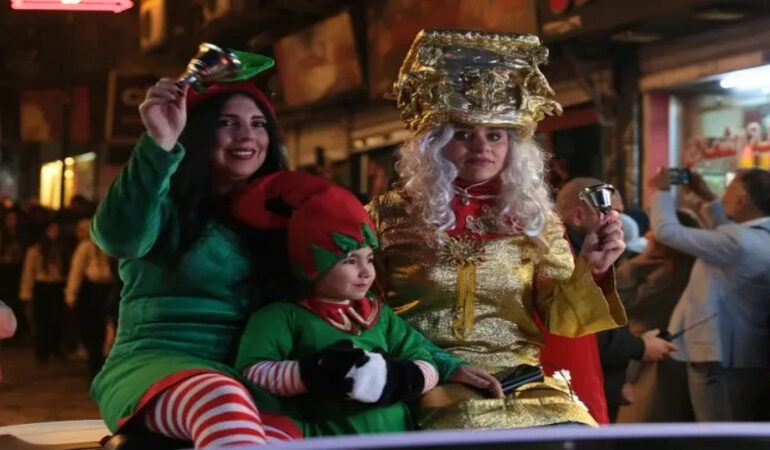
In the Old City of Damascus, a Christmas carnival organized by local Christian youth groups brought hundreds into historic streets lined with decorations, music, and handcrafted figures. Processions combined religious and national symbols, underscoring how Christian communities continue to frame their presence as part of the broader social fabric. Clergy accompanying the events described them as efforts to restore joy, particularly for children who have grown up amid instability. Similar scenes appeared beyond the capital. In rural areas long cut off from public worship, communities marked Christmas for the first time in over a decade, lighting trees and displaying Nativity scenes as signs of endurance. These acts carried quiet significance, signaling the return of communal rituals interrupted by years of violence and displacement.
Music and cultural gatherings also played a role in shaping the season. Choir performances in Damascus and surrounding towns drew diverse audiences, including international observers, offering moments of shared attention that transcended political divides. At the same time, celebrations unfolded under heightened security. Incidents including the burning of a Christmas tree and attempted vandalism in several cities served as reminders that public expressions of faith remain vulnerable. Church leaders responded by emphasizing vigilance alongside openness, urging communities not to retreat from public life despite provocation. The contrast between festive gatherings and isolated acts of hostility reflected the uneven landscape Christians continue to navigate, balancing visibility with caution in public spaces.
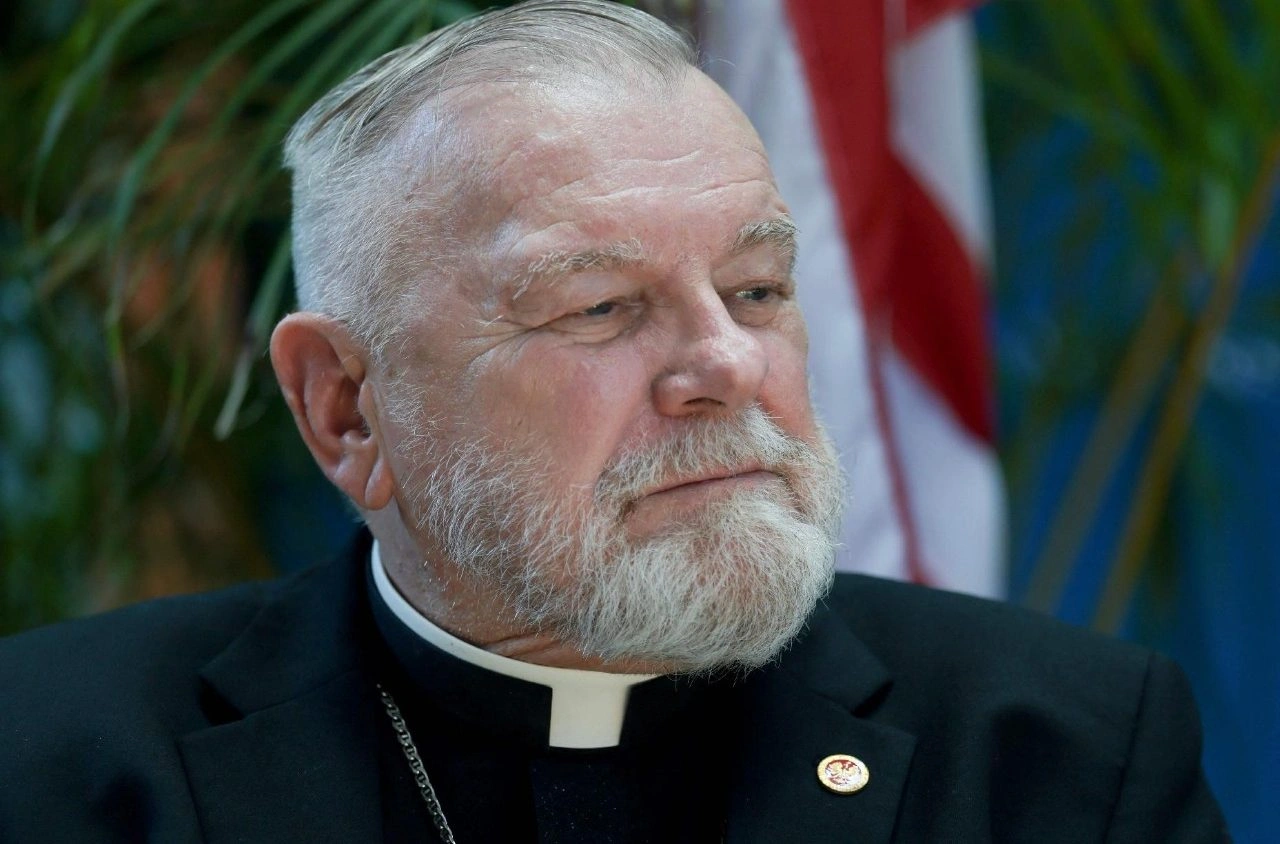
Church leadership used the season to recall both resilience and loss. Visits to damaged churches highlighted ongoing reconstruction efforts and the memory of martyrs whose deaths remain part of the community’s collective consciousness. These gestures reinforced continuity between past suffering and present renewal, framing Christmas as a moment of witness rather than triumph. While international attention has focused on governance and minority protections in Syria’s next phase, local celebrations revealed a quieter narrative. Christmas this year did not signal resolution, but it marked presence. In a society shaped by fracture, the simple act of gathering carried its own meaning, pointing toward cautious hope rooted in endurance rather than certainty.