
Pope Voices Concern Over Illinois Assisted Suicide Law
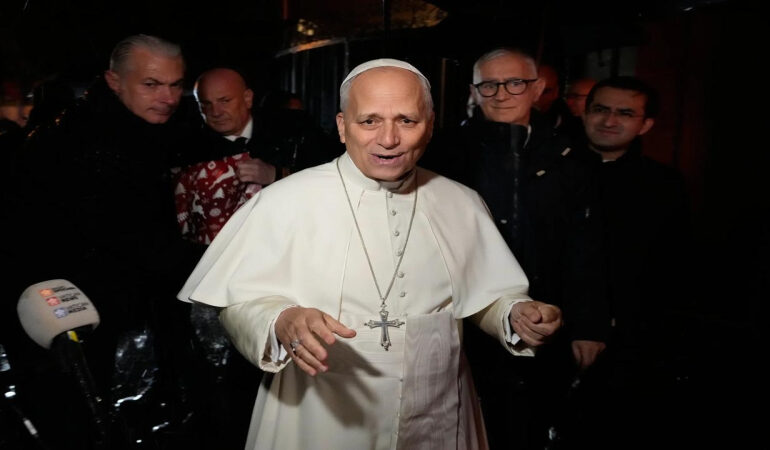

Speaking as he departed Castel Gandolfo in the days before Christmas, Leo XIV expressed public disappointment over the approval of assisted suicide legislation in his home state of Illinois. Addressing journalists informally, the Pope said he had urged state leaders to reconsider the measure, framing his remarks within a broader reflection on the value of human life. His comments linked the timing of the law’s approval with the Christmas season, which he described as a moment for deeper reflection on what it means to live a fully human life. Rather than presenting the issue as a political dispute, the Pope approached it as a moral concern that touches personal conscience and social responsibility. The remarks underscored how questions of life and death remain central to the Church’s public witness, even when they intersect with domestic legislation far from the Vatican.
The Pope confirmed that he had spoken directly with JB Pritzker before the bill was signed into law, stating that he and other Church leaders had been clear about their opposition. According to the Pope, the conversation focused on the need to protect life from its beginning through its natural end, a position rooted in long standing Catholic teaching. Despite these appeals, the governor ultimately approved the legislation earlier this month, allowing medically assisted suicide for adults with terminal illnesses under specific conditions. The Pope acknowledged the complexity of the debate and the emotional weight carried by families facing serious illness, but said the outcome left him saddened. His remarks highlighted a sense of personal connection to the issue, shaped by his upbringing and pastoral concern rather than institutional distance.
In his comments, the Pope emphasized that respect for life should not be reduced to legal thresholds or medical criteria. He invited people to consider the broader implications of laws that redefine the boundaries of care and compassion. By invoking Christmas, he situated the discussion within a season that recalls vulnerability and shared humanity, suggesting that the incarnation itself offers a lens for evaluating modern ethical dilemmas. The Pope’s language avoided technical detail, focusing instead on meaning and responsibility. His appeal was directed not only to lawmakers, but to society as a whole, encouraging reflection rather than confrontation. This approach reflects a pattern in his early pontificate, where moral teaching is often expressed through invitation and conscience rather than directive alone.
The reaction to the legislation has extended beyond the Vatican, with Catholic dioceses within Illinois voicing concern about its long term impact. The Pope’s remarks added an international dimension to a debate already unfolding within American society, underscoring how local laws can carry global moral resonance. While acknowledging that several other jurisdictions have adopted similar measures, the Pope stressed that prevalence does not determine moral clarity. His comments did not call for political action, but for renewed attention to how societies accompany suffering. In presenting disappointment without hostility, the Pope framed the issue as an ongoing moral conversation, one that remains open even after laws are passed.