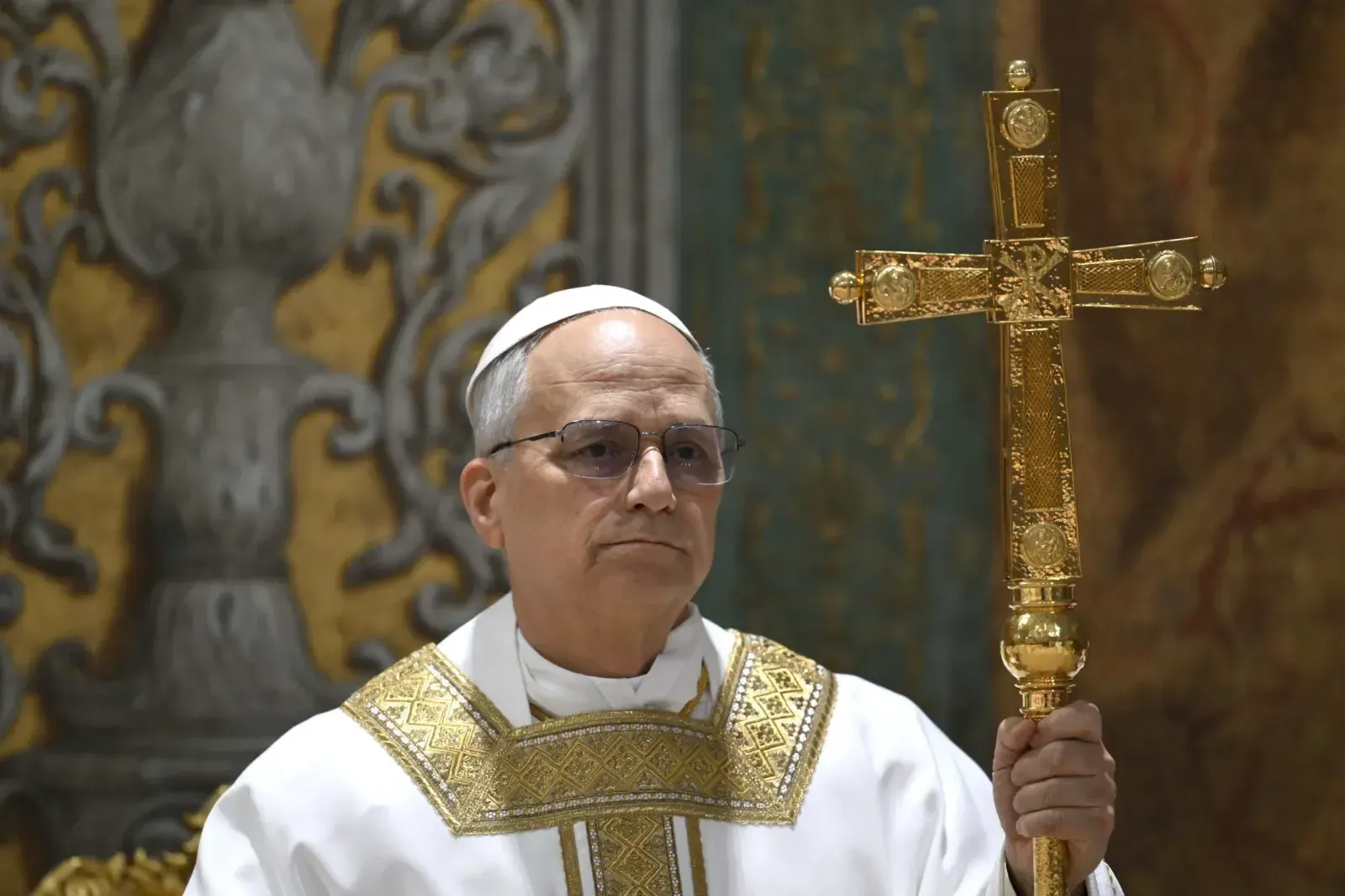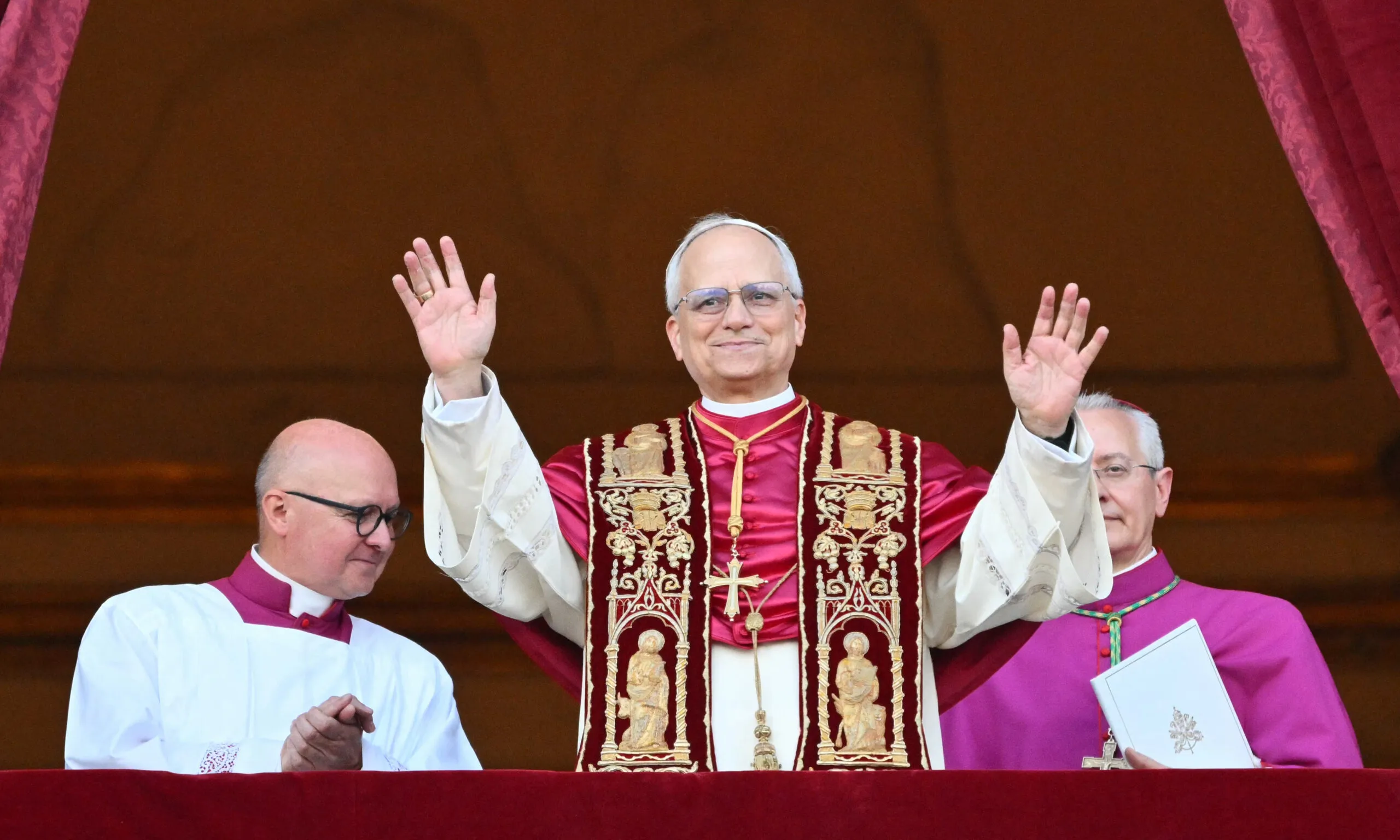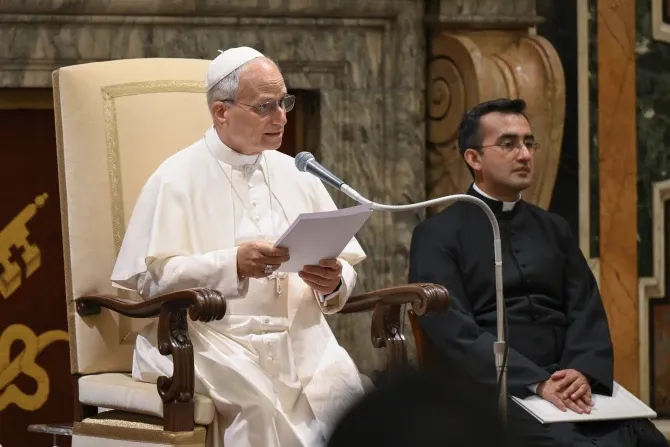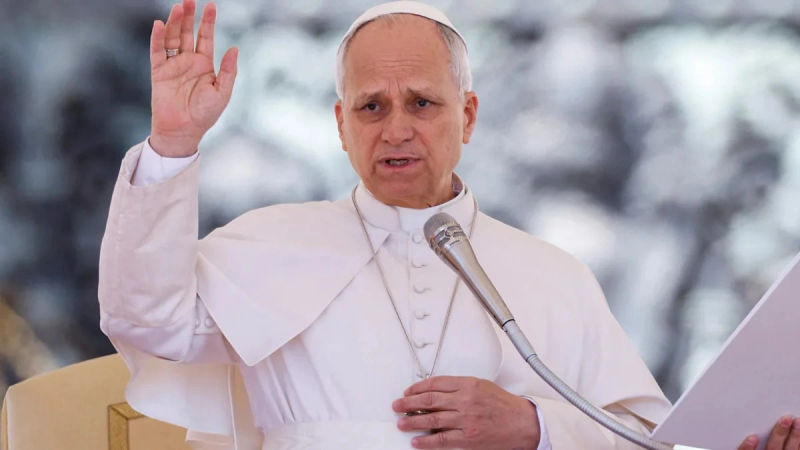


Pope Leo XIV’s First Christmas Message Signals a Return to Doctrinal Clarity
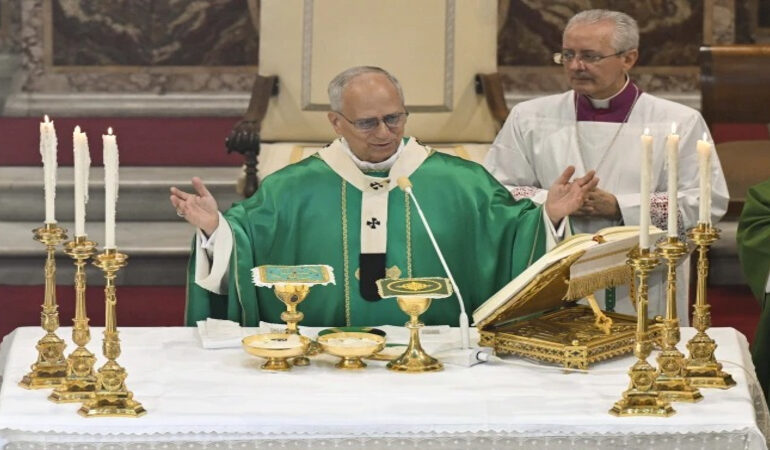

Christmas at the Vatican is never only a liturgical moment. It is also a defining occasion when the Pope sets the theological and pastoral tone for the year ahead. In his first Christmas message, Pope Leo XIV offered a carefully structured address that placed doctrine, not commentary, at the center of the Church’s public voice. The message was notable for its clarity, restraint, and deliberate focus on core Christian belief.
Rather than framing Christmas through contemporary political or cultural debates, the Pope returned attention to the Incarnation itself. The birth of Christ was presented as the foundation of Christian faith, moral responsibility, and human dignity. For a Church navigating internal diversity and external pressure, this approach marked an intentional effort to re anchor Catholic teaching in its theological roots while maintaining a pastoral tone accessible to the global faithful.
Doctrinal Focus as the Foundation of Papal Leadership
The most striking feature of Pope Leo XIV’s Christmas message was its unambiguous theological center. The Pope emphasized the mystery of God entering history through Christ and the enduring meaning of this event for salvation and moral life. By grounding his message in doctrine, he reaffirmed that Christian belief is not shaped by changing circumstances but by revealed truth.
This choice carries significance beyond a single address. It signals that the new pontificate views doctrinal clarity as essential to unity rather than a source of division. The Pope’s message suggested that shared belief provides the Church with coherence across cultures, languages, and political systems. In this sense, the Christmas address functioned as both proclamation and orientation for the Church’s future voice.
A Measured Tone That Avoids Ambiguity
Equally important was the tone of the message. Pope Leo XIV avoided emotionally charged language or references that could be interpreted through ideological lenses. The address was calm, reflective, and deliberately theological. This restraint conveyed stability and confidence at a moment when global institutions often communicate through urgency.
By choosing clarity over complexity, the Pope offered a message that could be received uniformly across the Church. Bishops, clergy, and lay faithful were invited to reflect on the same theological truths rather than interpret layered signals. This approach reduces confusion and reinforces the Pope’s role as a teacher of faith rather than a commentator on events.
Implications for Teaching and Pastoral Life
The Christmas message also sets expectations for how doctrine may shape pastoral priorities in the coming years. When the Pope emphasizes foundational belief at such a visible moment, it encourages local churches to do the same in preaching, catechesis, and formation. Doctrine is presented not as abstract theory but as a living guide for Christian life.
For communities facing social fragmentation or moral uncertainty, this emphasis provides a stable reference point. It suggests that the Vatican under Pope Leo XIV may encourage pastoral responses that flow from clear teaching rather than reactive messaging. This alignment between belief and practice strengthens the Church’s internal coherence while remaining attentive to human experience.
A Signal of Institutional Continuity and Stability
Beyond theology, the Christmas address reflected a broader sense of institutional steadiness. Pope Leo XIV spoke without signaling abrupt shifts or reforms. Instead, the message conveyed continuity with the Church’s long standing tradition while setting a clear tone for the new papacy.
This balance is particularly important early in a pontificate. Observers often look for signs of change or disruption, especially after a transition in leadership. By focusing on doctrine and speaking with measured authority, the Pope projected continuity, reassurance, and confidence in the Church’s mission. The Christmas message thus functioned as both spiritual reflection and institutional statement.
Conclusion
Pope Leo XIV’s first Christmas message offers a clear and deliberate vision for his papacy. By centering the Incarnation and reaffirming doctrinal foundations, the Pope signals that theological clarity will guide the Church’s engagement with the world. The calm tone and focused message promote unity, strengthen teaching authority, and provide stability for a global Church facing diverse challenges. As the new pontificate unfolds, this Christmas address stands as an early marker of leadership rooted in faith, tradition, and clarity.