
Pope Leo XIV’s Early Signals on Global Pastoral Unity From Rome to the Peripheries
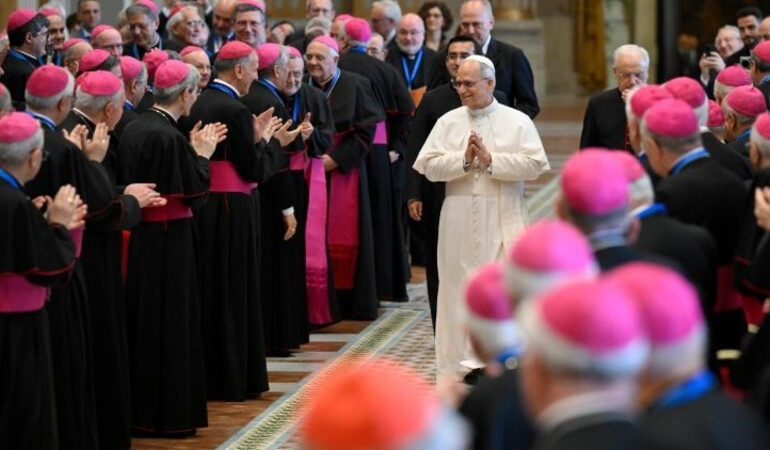

As the Catholic Church continues to navigate cultural diversity and regional complexity, the early months of the new pontificate are being closely observed across the global Church. Pastoral unity has become one of the central challenges of this era, as local churches face different social realities while remaining bound to a shared faith. In this context, the initial signals from Pope Leo XIV suggest a carefully balanced vision that connects Rome with the Church’s most distant communities.
Rather than emphasizing administrative authority, Pope Leo XIV has framed pastoral unity as a relationship rooted in shared belief and mutual responsibility. His early messages reflect an understanding that unity cannot be imposed through structure alone. Instead, it must be cultivated through clarity of teaching, respect for local pastoral needs, and a renewed sense of communion that extends beyond geography.
Pastoral Unity as a Shared Mission of the Global Church
At the center of Pope Leo XIV’s early approach is the idea that pastoral unity begins with a common spiritual mission. The Pope has consistently highlighted the role of faith as the binding force that connects Rome to dioceses across continents. This emphasis shifts attention away from uniform practices and toward shared purpose rooted in the Gospel.
By framing unity as mission driven rather than administratively enforced, the Pope reinforces the idea that the Church’s global identity is sustained through belief and service. This approach allows diverse communities to remain fully Catholic while responding to their own pastoral challenges. Unity, in this sense, is expressed through fidelity to faith rather than identical expression.
Strengthening the Role of Local Churches
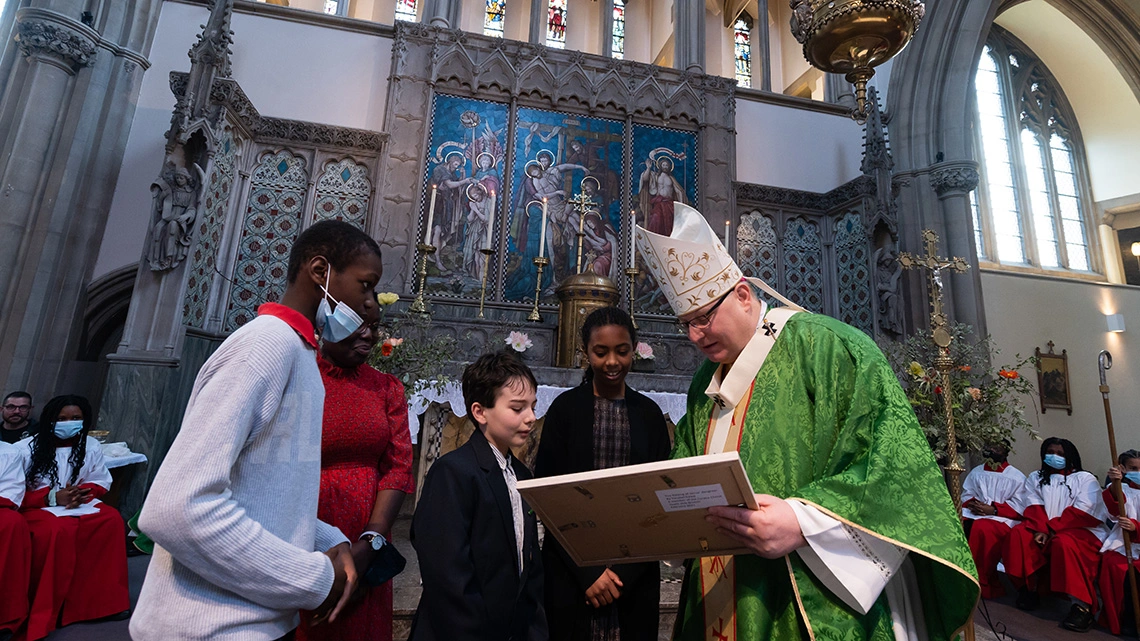
A significant signal in Pope Leo XIV’s pastoral vision is the attention given to local churches. His early posture suggests that dioceses and bishops are not simply recipients of direction from Rome but active participants in the Church’s pastoral life. This reflects a model where Rome provides theological orientation while local communities apply that guidance within their lived realities.
Such an approach strengthens unity by fostering responsibility rather than dependency. When local churches are trusted to act within clear doctrinal boundaries, pastoral engagement becomes more authentic. This balance helps prevent fragmentation while acknowledging the cultural and social differences that shape Catholic life around the world.
Rome as a Reference Point Rather Than a Distance
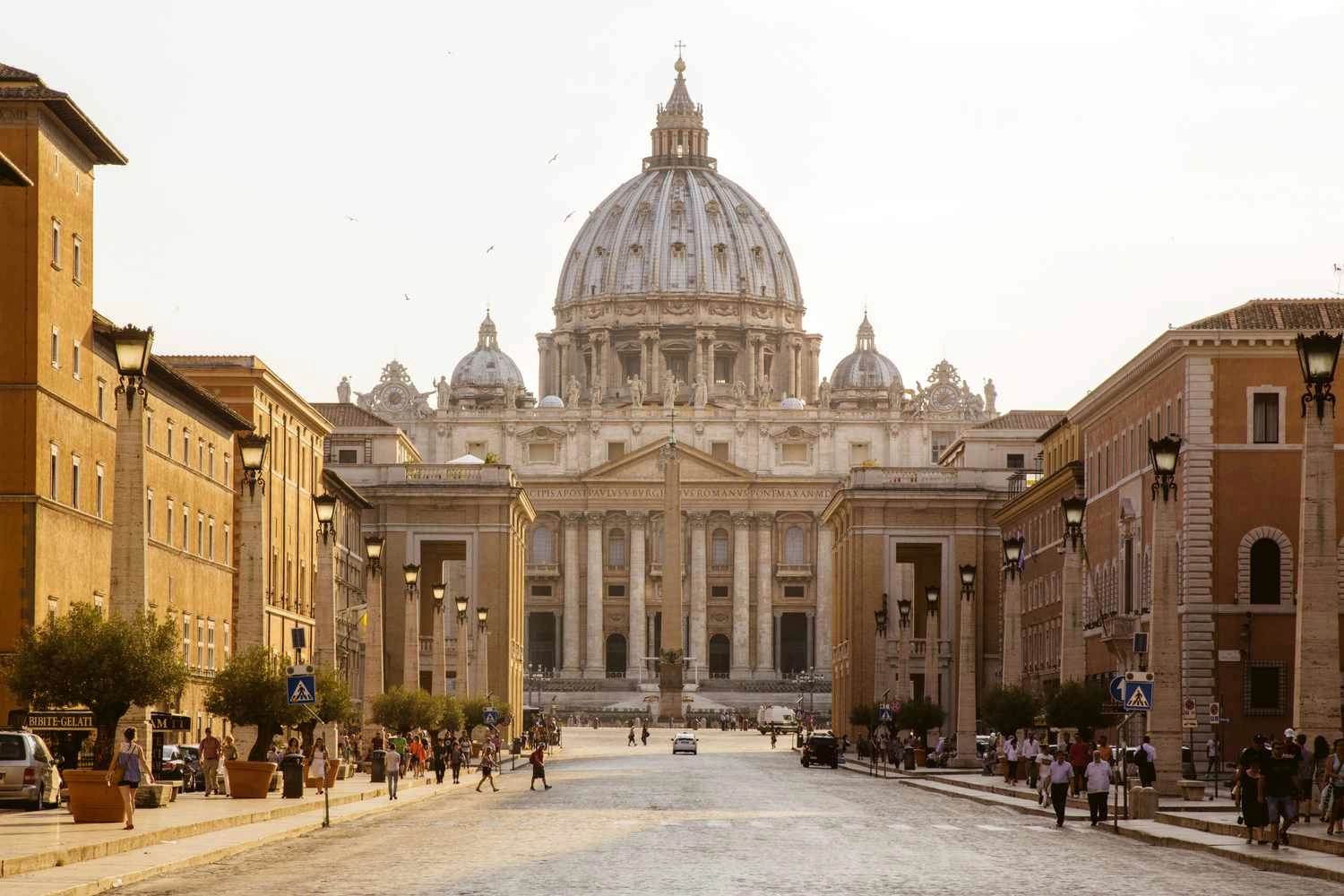
In reframing the relationship between Rome and the peripheries, Pope Leo XIV appears intent on restoring Rome as a reference point rather than a distant authority. His communication style and pastoral language suggest accessibility and attentiveness rather than hierarchy alone. This signals a papacy that listens as much as it teaches.
For communities far from the Vatican, this shift carries symbolic importance. It reinforces the idea that Rome serves the whole Church by offering guidance, continuity, and doctrinal clarity. When the papacy is perceived as connected rather than remote, unity becomes relational rather than institutional.
Addressing Diversity Without Compromising Coherence
Global pastoral unity must account for diversity without allowing it to erode coherence. Pope Leo XIV’s early signals suggest a clear boundary between legitimate diversity and doctrinal inconsistency. His emphasis on faith and teaching provides a framework within which cultural differences can exist without fragmenting belief.
This approach reassures both those seeking flexibility and those concerned about doctrinal stability. It affirms that unity does not require sameness, but it does require shared truth. By articulating this balance early, the Pope sets expectations for how diversity will be navigated throughout his pontificate.
Conclusion
Pope Leo XIV’s early signals on global pastoral unity reveal a vision rooted in connection rather than control. By linking Rome to the peripheries through shared mission, respect for local responsibility, and doctrinal clarity, he is shaping a model of unity suited to a diverse global Church. This approach recognizes difference without surrendering coherence and positions pastoral unity as a lived reality rather than an administrative goal. As the pontificate develops, these early signals may define how the Church remains united across cultures, continents, and communities.