Inside the Vatican’s Transitional Phase After the Papal Succession
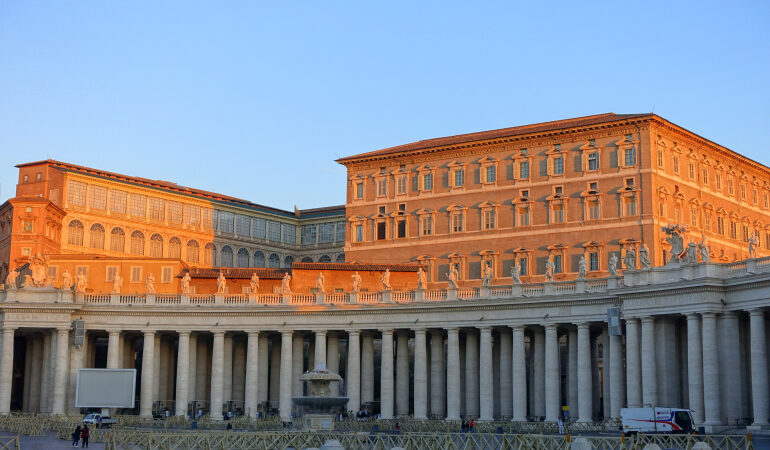

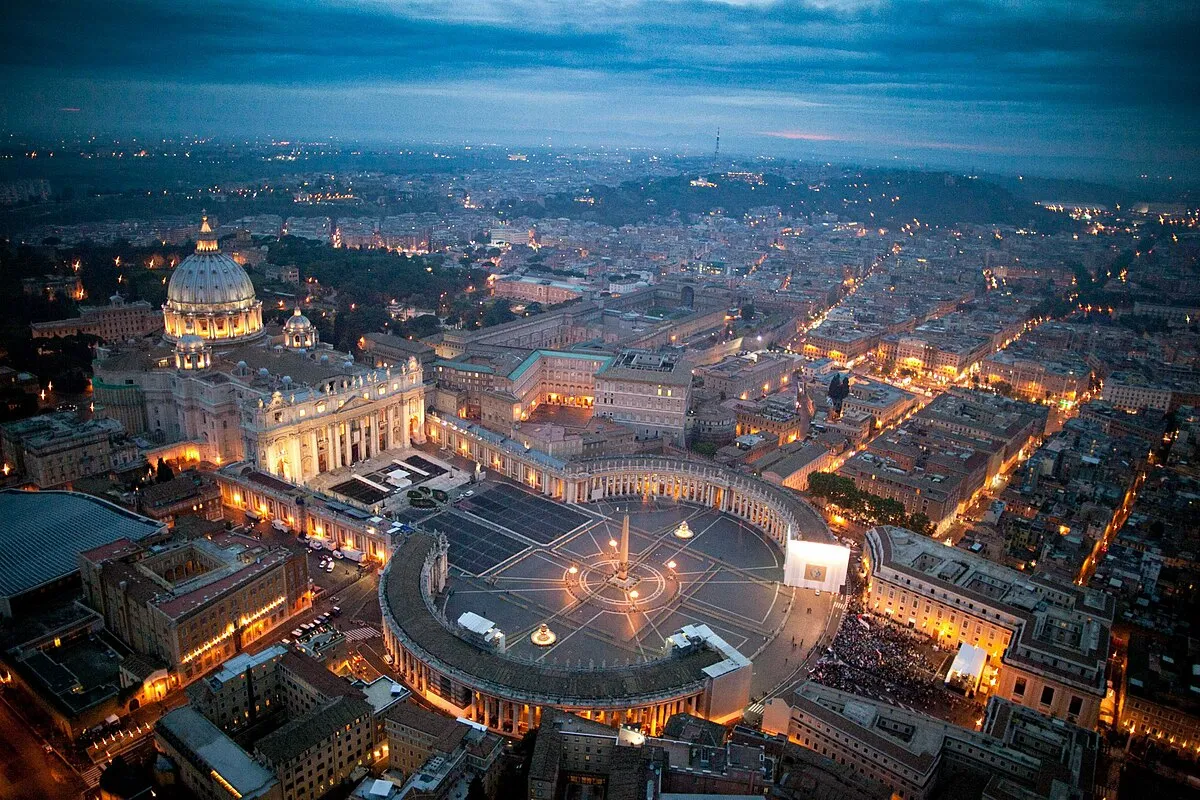
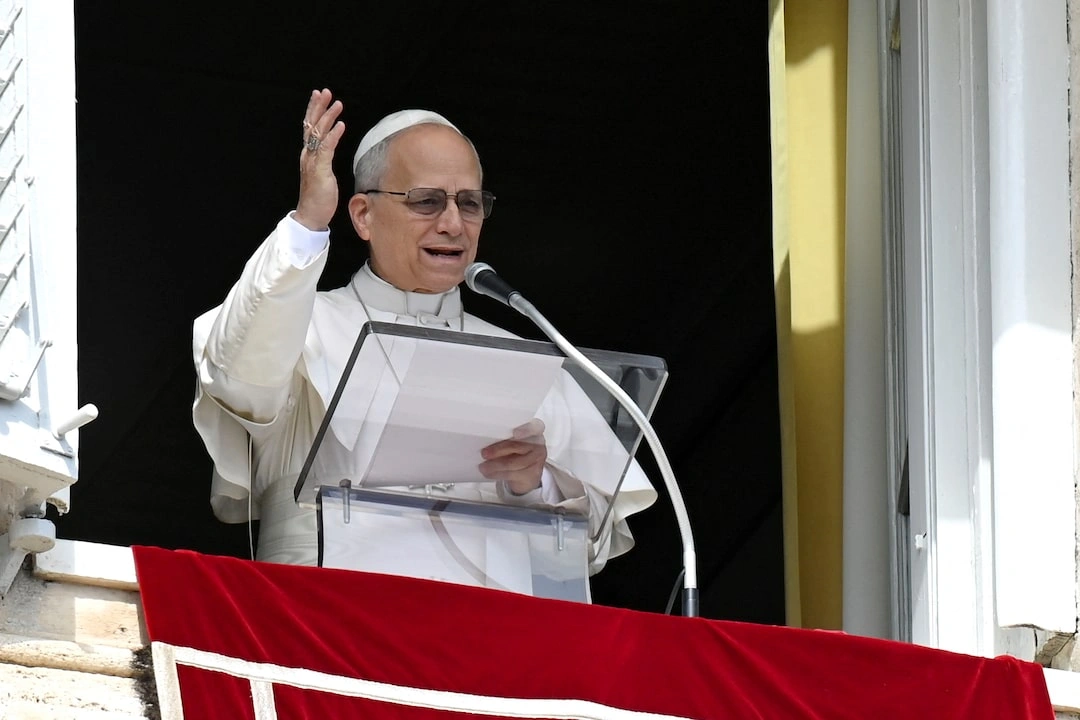
A papal succession always places the Vatican in a period of careful transition. Beyond the public ceremonies and global attention, the Holy See enters a phase where continuity, governance, and institutional stability quietly take priority. With the election of Pope Leo XIV, the Vatican is now navigating this transitional stage with a focus on order, coherence, and measured adjustment rather than abrupt change.
This phase is not marked by immediate reform or sweeping announcements. Instead, it reflects a deliberate process in which existing structures continue to function while new leadership establishes its rhythm. The transition following the papal succession is designed to ensure that the Church’s global operations remain steady while the Pope assesses priorities, personnel, and long term direction.
How Vatican Governance Maintains Continuity After a Papal Transition
At the core of the Vatican’s transitional phase is the principle of continuity. The Roman Curia, dicasteries, and administrative offices continue their work without interruption. This structure ensures that diplomatic relations, pastoral coordination, and internal governance remain stable even as leadership changes at the top.
Papal succession does not dissolve existing authority within the Vatican. Senior officials retain their roles, and institutional processes remain intact unless explicitly revised. This continuity allows the Pope to observe how systems function before making decisions about adjustments. It reflects an understanding that governance stability is essential for a global institution serving millions of faithful.
The Role of the Curia During the Transitional Period
During a transitional phase, the Roman Curia plays a critical stabilizing role. Departments responsible for doctrine, diplomacy, pastoral care, and administration operate within established mandates. Their work provides the Pope with consistent information and operational support as he begins to shape his leadership style.
This period also allows for careful evaluation. Rather than immediate restructuring, the Pope can assess how effectively offices serve the Church’s mission. Any future changes are typically informed by observation and consultation rather than urgency. This approach minimizes disruption and reinforces institutional confidence within the Vatican and beyond.
Diplomatic and Global Church Implications
The Vatican’s transition following papal succession extends beyond internal administration. As a sovereign entity with diplomatic relations worldwide, the Holy See must maintain consistency in its global engagement. Embassies, nuncios, and international partners rely on predictable communication during this period.
By emphasizing continuity, the Vatican reassures governments and religious leaders that its positions remain stable. While long term priorities may evolve under Pope Leo XIV, the transitional phase ensures that existing commitments are honored. This steadiness reinforces the Vatican’s credibility as a moral and diplomatic actor on the world stage.
Balancing Observation With Gradual Direction Setting
A defining feature of the transitional phase is balance. Pope Leo XIV is expected to observe before directing. This allows him to understand internal dynamics, identify strengths, and recognize areas requiring attention. Rather than signaling immediate reform, early actions tend to emphasize listening and consultation.
This balance benefits both leadership and staff. It creates space for trust to develop while preventing uncertainty. For Vatican officials, the absence of abrupt shifts provides clarity and reassurance. For the global Church, it signals that governance under the new pontificate will be thoughtful and deliberate.
Conclusion
The Vatican’s transitional phase after papal succession is defined by continuity, stability, and careful observation. Under Pope Leo XIV, this period reflects an institution prioritizing order while allowing new leadership to establish direction at a measured pace. By maintaining governance structures, supporting global diplomacy, and emphasizing institutional steadiness, the Vatican ensures that the Church’s mission continues uninterrupted. This quiet transition lays the groundwork for future decisions while preserving confidence across the global Catholic community.