
Christmas Theology in 2025 What the Vatican Is Emphasizing Now
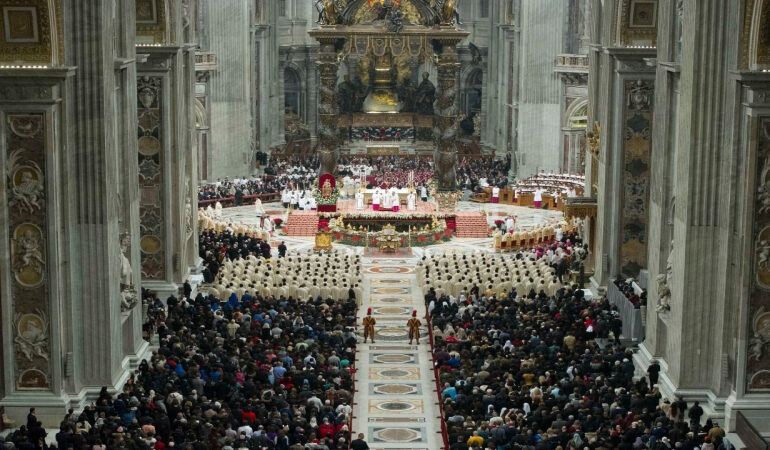

Christmas remains one of the most theologically dense moments in the Church’s calendar. Beyond its cultural visibility, it is the season in which the Vatican traditionally clarifies how faith understands God, humanity, and salvation. In 2025, Christmas theology is being presented with renewed intentionality, reflecting a Church seeking depth, clarity, and spiritual focus rather than commentary shaped by external pressures.
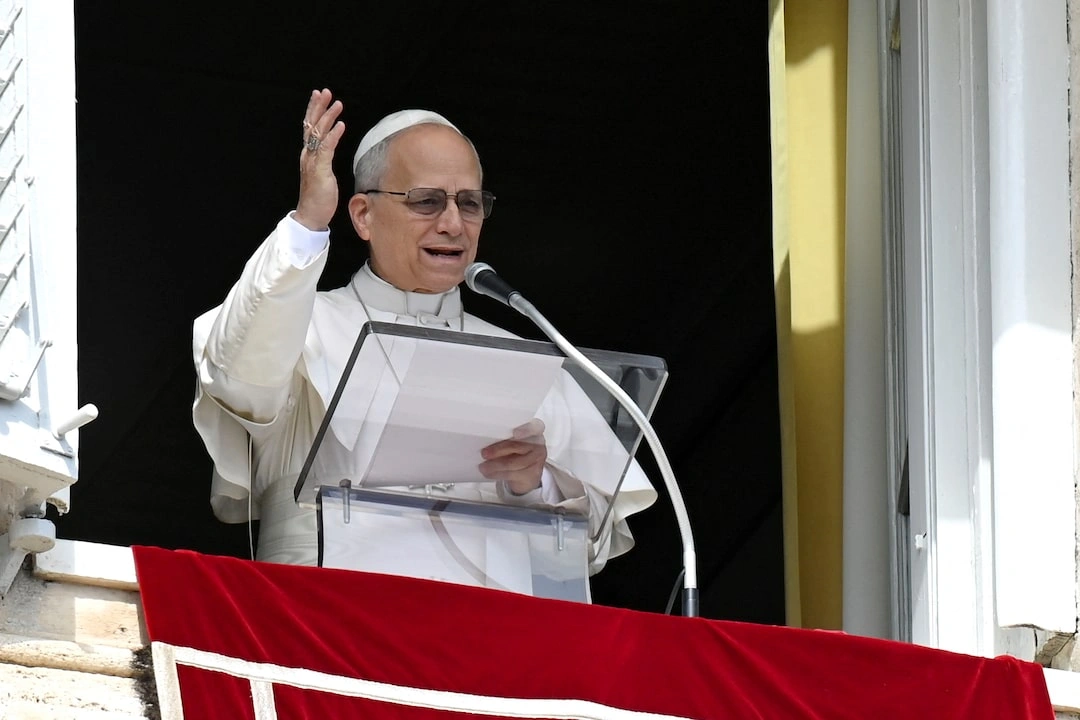
Under the leadership of Pope Leo XIV, the Vatican’s emphasis this Christmas has centered firmly on the mystery of the Incarnation. The birth of Christ is framed not as symbolic comfort but as a defining truth that shapes Christian belief, moral vision, and the understanding of human dignity. This theological focus signals continuity with tradition while responding to the needs of a global Church facing fragmentation and uncertainty.
The Incarnation as the Center of Christmas Theology
At the heart of the Vatican’s Christmas emphasis in 2025 is the Incarnation as an objective and transformative reality. The Vatican presents Christ’s birth as God entering history in a concrete and personal way. This focus reinforces that Christianity is not primarily an ethical system or cultural identity but a faith grounded in a historical and theological event.
By returning attention to the Incarnation, the Vatican highlights the meaning of human life as seen through Christ. Theological reflection centers on God’s closeness to humanity, the sanctity of human existence, and the call to live in response to divine love. This approach strengthens the doctrinal foundation from which moral and social teaching flows.
Moving Away From Sentiment Toward Substance
Another noticeable emphasis in Christmas theology this year is a movement away from sentimentality. While Christmas is often associated with emotion and imagery, the Vatican’s theological tone stresses substance over atmosphere. Joy is presented not as seasonal feeling but as a consequence of salvation.
This shift encourages the faithful to engage Christmas intellectually and spiritually. Reflection on Christ’s birth becomes an invitation to conversion, responsibility, and deeper faith. By grounding joy in theology rather than mood, the Vatican reinforces Christmas as a moment of formation rather than only celebration.
Christology and Human Dignity
Christmas theology in 2025 also places strong emphasis on Christology and its implications for human dignity. By affirming that God assumed human nature, the Vatican underscores the inherent worth of every human life. This theological principle forms the basis for Catholic teaching on dignity, solidarity, and moral responsibility.
Rather than addressing social issues directly, the Vatican roots its vision in theology. Human dignity is not presented as a concept derived from consensus or law, but from the Incarnation itself. This grounding offers a stable framework for moral reflection across cultures and political systems.
Christmas as a Foundation for Christian Witness
The Vatican’s emphasis also frames Christmas as the foundation for Christian witness throughout the year. The birth of Christ is presented as the starting point for discipleship, shaping how believers live, serve, and engage the world. Theology is linked to daily life without being reduced to activism.
This approach reinforces that authentic Christian witness flows from belief before action. By emphasizing theological clarity at Christmas, the Vatican invites the Church to renew its identity before addressing external challenges. Faith becomes the source of mission rather than its byproduct.
Conclusion
Christmas theology in 2025 reflects a Vatican focused on depth, clarity, and doctrinal grounding. By centering the Incarnation, emphasizing substance over sentiment, and rooting human dignity in Christology, the Church reaffirms the theological heart of the Christmas season. Under Pope Leo XIV, this approach presents Christmas not as a moment shaped by culture but as a timeless truth shaping faith, identity, and Christian life across the global Church.