How Christmas Has Shaped Papal Leadership at Key Moments in Church History
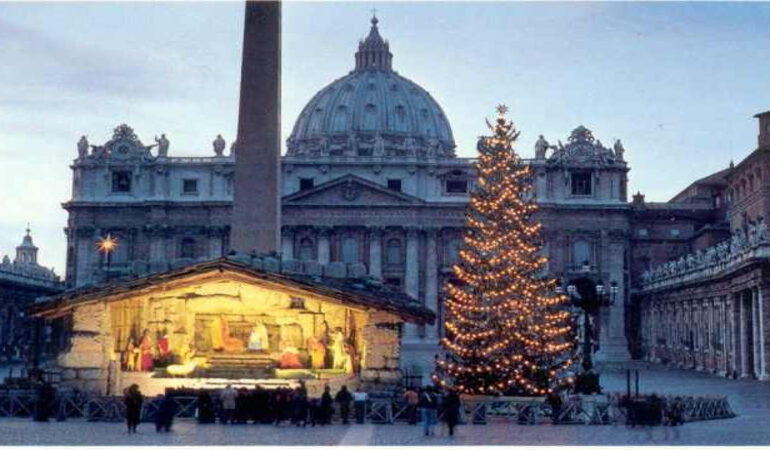

Christmas has long served as more than a liturgical celebration within the Catholic Church. Across centuries, it has functioned as a moment when popes articulate vision, reaffirm authority, and respond to the challenges of their time. The Christmas season places papal leadership at the intersection of theology, history, and public witness, making it a recurring stage for defining moments in the life of the Church.
From periods of political upheaval to moments of doctrinal clarification, Christmas has offered popes a platform to speak with unusual clarity and resonance. The combination of global attention and deep theological meaning has allowed papal messages delivered at Christmas to shape not only immediate pastoral priorities but also long term perceptions of leadership within the Church.
Christmas as a Defining Moment of Papal Authority
Historically, Christmas has reinforced the Pope’s role as both spiritual shepherd and visible leader of the universal Church. In eras when communication was limited, the Christmas liturgy and message served as one of the few occasions when papal teaching reached far beyond Rome. These moments often clarified how the Church understood its mission in changing circumstances.
Popes have used Christmas to affirm continuity during uncertainty. Whether addressing threats to unity or reaffirming central beliefs, Christmas messages have frequently emphasized stability rooted in faith. This pattern reveals how the season has consistently been used to anchor leadership in doctrine rather than reaction.
Responding to Crisis Through Theological Clarity
At several points in history, Christmas messages emerged during times of crisis. Wars, political fragmentation, and social upheaval often coincided with papal addresses that stressed peace, human dignity, and hope grounded in Christ. Rather than offering policy responses, popes traditionally returned to theology as the Church’s primary response.
This approach allowed papal leadership to transcend immediate circumstances. By framing crises through the mystery of the Incarnation, Christmas messages reminded the faithful that the Church’s authority flows from eternal truth rather than temporal power. Such moments reinforced the Pope’s role as a moral anchor when institutions around the Church were unstable.
Christmas and the Development of Pastoral Leadership
Over time, Christmas has also shaped how pastoral leadership is exercised. Papal homilies and messages delivered during the season often introduced themes that later defined broader pastoral priorities. Emphasis on charity, unity, and spiritual renewal frequently originated in Christmas reflections before becoming sustained areas of focus.
This pattern highlights how Christmas functions as a moment of orientation. Popes have used the season to invite conversion, deepen catechesis, and refocus the Church on its spiritual mission. Leadership expressed at Christmas often set the tone for the year that followed, guiding pastoral direction across dioceses worldwide.
Continuity Across Changing Historical Contexts
Despite vast changes in political and social conditions, the role of Christmas in papal leadership has remained remarkably consistent. While the language and context evolved, the central themes of Incarnation, redemption, and hope endured. This continuity underscores the Church’s understanding of leadership as rooted in timeless belief.
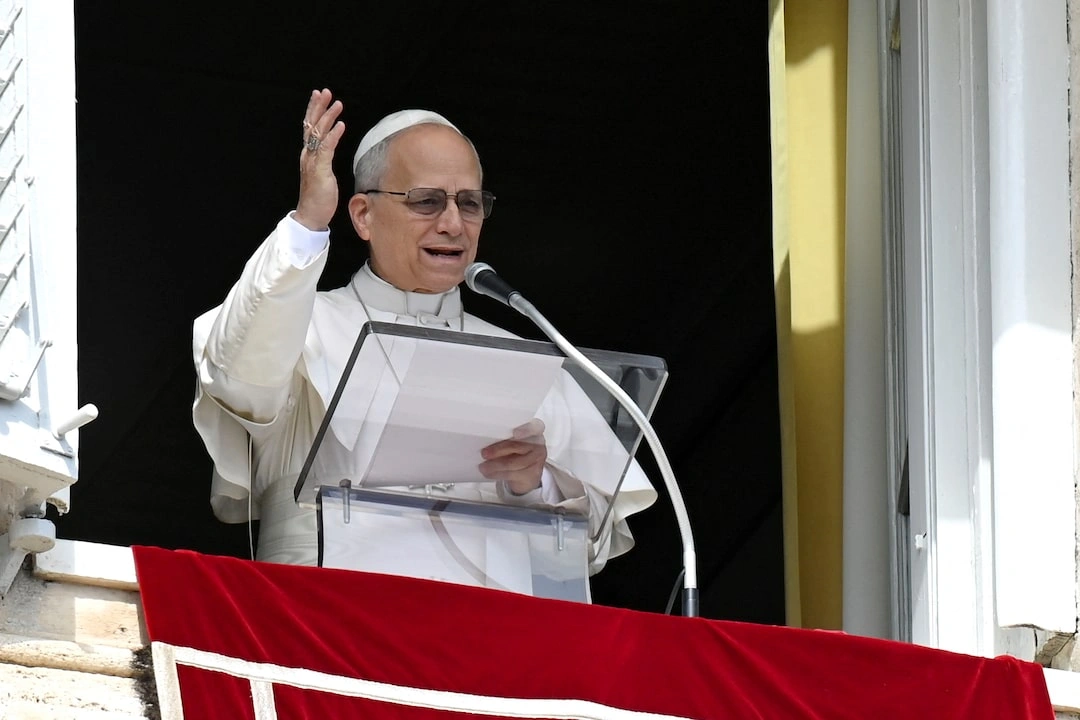
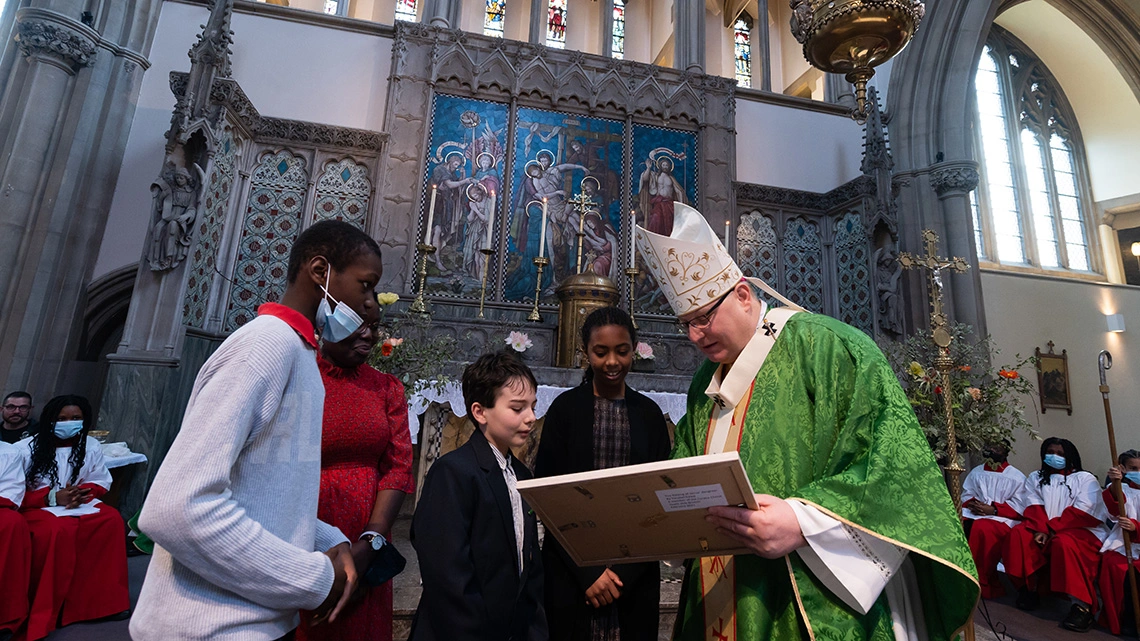
In the modern era, this historical pattern continues. Under the leadership of Pope Leo XIV, Christmas once again serves as a moment to signal priorities and reaffirm the theological center of the papacy. While circumstances differ from earlier centuries, the function of Christmas as a defining moment of leadership remains unchanged.
Conclusion
Throughout Church history, Christmas has played a decisive role in shaping papal leadership. From affirming authority and responding to crisis to setting pastoral direction, the season has provided popes with a unique moment to define their vision. By consistently grounding leadership in the mystery of the Incarnation, Christmas has ensured continuity across centuries of change. As history shows, the way a pope speaks at Christmas often reveals how he intends to lead the Church beyond the season itself.